- Introduction
- What Can Go Wrong If Delicate Garments Are Not Stored Properly
- Tips to Store Expensive Garments Properly
- How Professional Care Keeps Your Luxury Clothes Safe and Lasting
- Takeaway

Image source: https://in.pinterest.com/pin/594334482116040861/
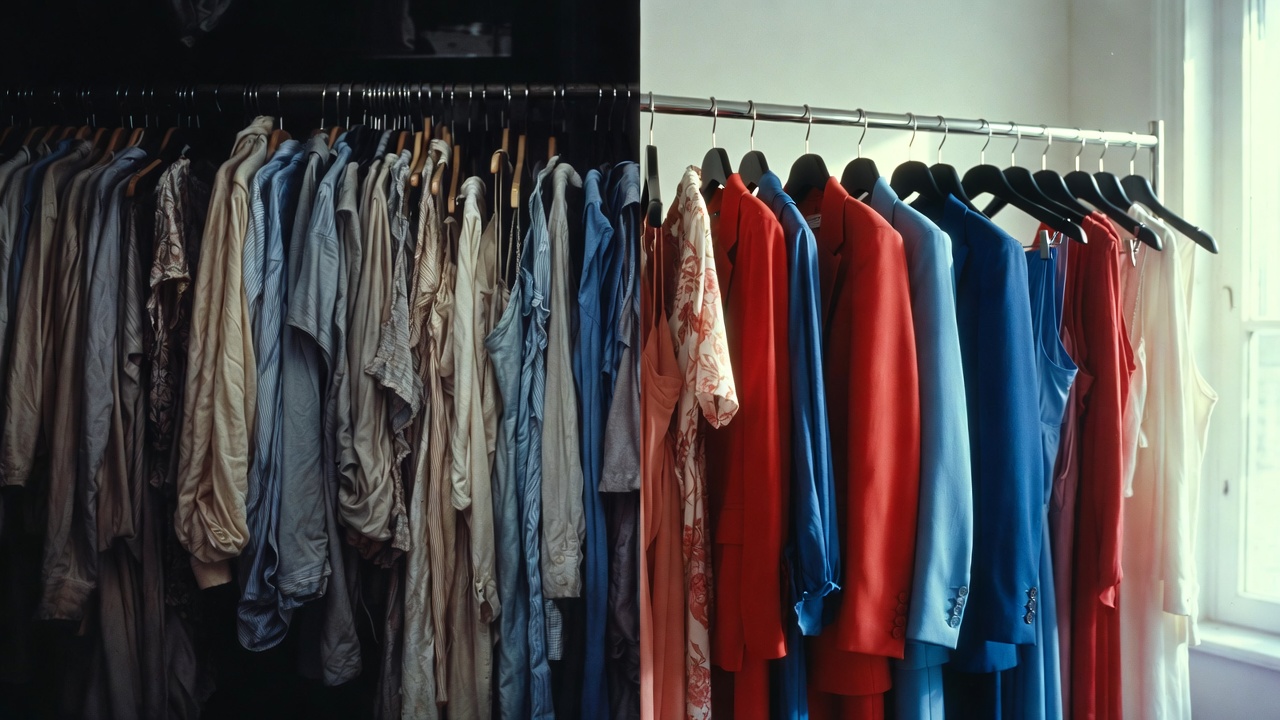
Luxury clothes are more than just garments. They are investments in quality, craftsmanship, and your personal style. Whether it’s a hand-stitched silk blouse, a cashmere coat, or designer evening wear, storing them properly is key to keeping them beautiful for years.
How you store clothes affects their fabric, color, and shape. Choosing the right hangers, folding carefully, and keeping them in the right environment all make a difference. This guide shows simple, proven ways to keep your most valuable pieces looking as stunning as the day you bought them.
What Can Go Wrong If Delicate Garments Are Not Stored Properly
Storing clothes the wrong way can cause a chain of problems. Over time, it can permanently damage expensive fabrics. Knowing these risks shows why taking care of your garments matters so much.
Fabric damage: Sunlight can fade colors and weaken fibers over time. Moisture encourages mildew, leaving permanent stains and odors. Silk may yellow, wool can felt, and leather can crack if not stored carefully.
Shape loss: Hanging or folding clothes the wrong way can ruin their fit. Heavy coats may develop shoulder bumps, knit sweaters can stretch out, blazers can lose structure, and delicate fabrics like chiffon or organza can get permanent creases.
Pest damage: Moths, carpet beetles, and silverfish are attracted to natural fibers like wool, silk, and cashmere, as well as oils left on unwashed clothes. A single infestation can destroy expensive pieces.
Chemical damage: Storage materials can harm fabrics over time. Plastic bags may trap moisture and release chemicals that yellow garments. Acidic cardboard boxes can leave brown spots. Metal zippers and embellishments can oxidize and stain surrounding fabric.
Overall impact: All these factors combine to reduce the lifespan, appearance, and value of your wardrobe. Using proper storage techniques protects your investment pieces and keeps them looking their best.
Tips to Store Expensive Garments Properly
1. Always Clean Before Storing
- Never put clothes away without cleaning them first. Body oils, sweat, perfume, and food residue can attract pests and create stains that become permanent over time.
- Even garments worn briefly should be cleaned, as small spots or invisible oils can oxidize and discolor fabric during storage.
- Professional cleaning removes not only stains but also pollutants from urban air, keeping fibers strong and extending the life of delicate fabrics.
2. Choose the Right Hangers
- Wire hangers are too thin and can create shoulder bumps or stretch out garments. Replace them immediately.
- Padded hangers are perfect for delicate blouses, dresses, and lightweight jackets. The soft padding keeps fabric from slipping or getting marks.
- Wooden hangers with broad shoulders support structured pieces like blazers, coats, and suits. They mimic natural shoulder lines to maintain the intended shape.
- For pants and skirts, use clip hangers with rubber or velvet coating to prevent indentations. Clips should not be too tight.
- Cedar hangers naturally repel moths and other pests while providing sturdy support for heavier items.
3. Fold Delicates and Knits
- Knits, sweaters, cardigans, and stretchy fabrics will stretch or lose shape if hung. Folding these flat prevents shoulder bumps and elongation.
- Use soft folds that follow the garment’s natural lines to avoid damaging fibers.
- For delicate items like cashmere, place acid-free tissue between folds to protect the fabric.
- Beaded or embellished garments should be folded with the decorated side up. Cushion with tissue to avoid tearing or flattening embellishments.
4. Use Breathable Storage Bags or Boxes
- Plastic bags or bins trap moisture, causing mildew, odors, and fabric weakening.
- Cotton garment bags provide dust protection while allowing air to circulate.
- Acid-free archival boxes lined with unbleached muslin create stable, safe conditions for long-term storage.
- Wrap each item individually in tissue paper to prevent friction, pilling, and damage to embellishments.
- Label boxes clearly with contents and storage dates to make retrieval easy without unnecessary handling.
5. Store Expensive Garments in a Cool, Dry, Dark Place
- Aim for consistent temperatures between 60–70°F and relative humidity around 50%.
- Avoid attics and basements, which can be too hot, damp, or inconsistent.
- Keep clothes away from heating vents, radiators, and windows. Direct sunlight fades colors and weakens fibers.
- Use blackout curtains or blinds if your storage area has windows.
6. Avoid Overcrowding
- Clothes should hang freely without touching each other to allow air circulation.
- Stacking folded items too high can crush the bottom layers and create deep creases.
- Overcrowding also increases friction, causing pilling and wear on delicate fabrics.
- If space is tight, rotate seasonal items to off-site storage or reassess pieces you no longer wear.
7. Use Natural Pest Repellents
- Moths and carpet beetles can destroy natural fibers like wool, silk, and cashmere. Prevention is key.
- Avoid chemical mothballs, which leave odors and can irritate skin or lungs.
- Cedar blocks, rings, or lavender sachets naturally repel insects while keeping clothes smelling fresh.
- Refresh cedar products by lightly sanding annually. Replace or refresh all natural repellents every six months.
- Place repellents throughout storage areas for consistent protection.
8. Stuff Expensive Garments to Keep Shape
- Structured items like handbags, shoes, and hats need internal support. Without it, they can collapse, crease, or lose their form.
- Fill handbags with acid-free tissue or unbleached cotton. Avoid newspaper, which can stain.
- Use shoe trees or tissue paper to maintain shoe shape and absorb moisture. Store boots upright and use boot shapers or rolled tissue.
- Hats should go in appropriately sized boxes with tissue inside and never stacked on top of each other.
9. Rotate and Air Out Periodically
- Even well-stored items benefit from being rotated every 3–6 months.
- Hang garments in a ventilated area for several hours to release trapped moisture and odors.
- Rotation helps fabrics maintain their shape and prevents set creases.
- Take the opportunity to inspect for pests, stains, or damaged storage materials.
- Rediscover forgotten pieces and reassess your collection to maintain a curated wardrobe.
10. Remove Dry-Cleaning Plastic Immediately
- Dry-cleaning plastic protects clothes during transport but is harmful long-term.
- Plastic traps moisture and prevents residual cleaning chemicals from evaporating.
- Leave garments in a well-ventilated space for 24 hours after removing plastic.
- Store afterward in breathable cotton bags or proper closet space to ensure air circulation and prevent mildew or chemical damage.
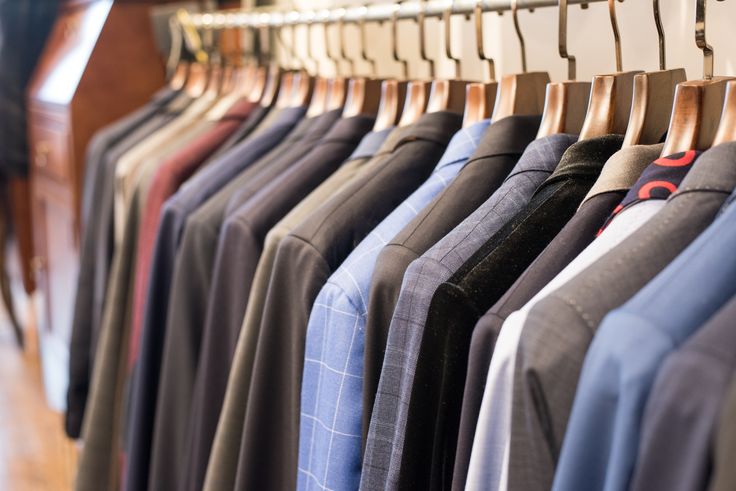
Image source: https://in.pinterest.com/pin/110830840813920820/
How Professional Care Keeps Your Luxury Clothes Safe and Lasting
Home storage is important, but professional services take garment care to the next level. Experts have the knowledge and equipment to protect your most valuable pieces in ways you can’t at home.
- Fabric expertise: Professionals know how to care for different fabrics, from delicate silk to structured wool. They use methods that clean thoroughly while keeping the fabric strong and intact.
- Problem prevention: They spot stains early, treat them correctly, and repair minor damage before it worsens. They can also preserve heirloom pieces with special-grade cleaning.
- Convenience: Services like Vanzoo combine professional expertise with easy pick-up, delivery, and modern solutions for your wardrobe.
- Holistic care: Beyond cleaning, they offer storage advice, alterations, and repairs to keep garments in top condition.
- Long-term value: Professional care protects your investment and can be more cost-effective than replacing damaged luxury items.
Professional garment care isn’t just about looking good today. It’s about making sure your clothes last for years, keeping them beautiful and functional every time you wear them.
Takeaway
Knowing how to store expensive garments properly helps them last longer. It also keeps them looking their best. Choosing the right hangers and controlling temperature and humidity are small steps that make a big difference.
Proper storage is not a one-time task. Regular attention and rotating your garments keep them in excellent condition for years, even decades.
Your clothes deserve care that matches their quality. Following these storage tips and using professional services when needed protects your wardrobe. It lets you enjoy your favorite pieces season after season. In the end, your collection stays beautiful, valuable, and wearable for a long time.