- Introduction
- Types of fabrics and how to clean them
- 5 common stains that can ruin delicate fabrics
- What Causes Delicate Fabrics to Peel, Shrink, and Fade Over Time?
- Why should delicate clothes never be treated as everyday clothes?
- Why Are Stains Still Visible on Designer Clothes After Washing?
- Conclusion
- FAQs
Introduction
Delicate clothes bring elegance to your wardrobe. However, they can easily get damaged when accidents occur. From everyday mishaps to unexpected spills, Common Stains That Happen to Delicate Clothes can be stressful, especially when the fabric feels too precious to experiment on.
If you’ve ever hesitated before cleaning a favorite piece, you’re not alone.
Luxury and delicate garments often react differently to stains than regular clothing, which is why quick fixes don’t always work. Understanding why these marks appear and which ones are the most difficult is the first step toward keeping your wardrobe looking flawless.
Knowing how to remove common stains from delicate fabrics without causing damage can save both your outfit and your peace of mind.
Types of Fabrics and how to clean them?
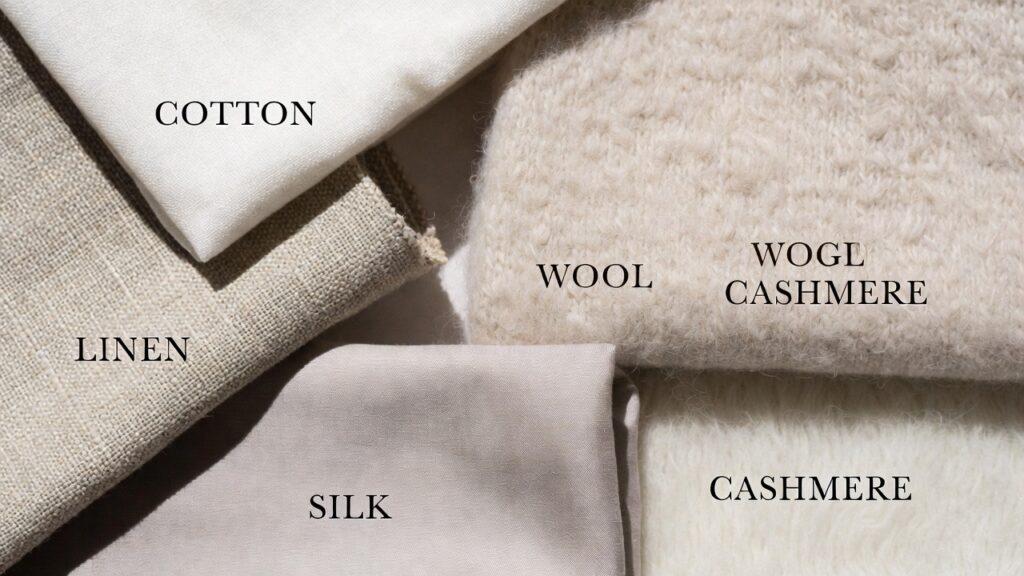
Silk (Delicate / Luxury Fabric)-
Cleaning Tip: Always use cold water and a mild, silk-safe detergent. Avoid wringing or scrubbing, as silk fibers weaken when wet. Air-dry flat and keep away from direct sunlight.
Cashmere (Delicate / Expensive Fabric)-
Cleaning Tip: Hand wash gently in cold water with a cashmere or wool cleanser. Lightly press out excess water using a towel and lay flat to dry to maintain shape and softness.
Wool (Delicate / Premium Fabric)-
Cleaning Tip: Spot clean when possible and wash using cold water on a gentle cycle or by hand. Avoid heat, as it can cause shrinking. Dry flat to prevent stretching.
Cotton (Everyday Fabric)-
Cleaning Tip: Machine wash in warm or cold water depending on color. Pre-treat stains before washing and avoid high heat drying to reduce fading and shrinkage.
Linen (Natural Fabric)-
Cleaning Tip: Wash in cold or lukewarm water using a gentle cycle. Remove promptly from the washer and air-dry or tumble dry on low to minimize wrinkles.
Delicate clothes are made to look beautiful, but they often suffer first when spills and accidents occur. Whether it’s a luxury blouse or a soft knit sweater, Common Stains That Happen to Delicate Clothes can quickly turn a favorite outfit into a stressful situation.
Because fragile fabrics absorb liquids quickly, even small spills require immediate attention. Delicate garments are tricky because not all stains react the same way. Some sink deep into the fibers, while others spread or discolor the fabric if treated incorrectly.
Understanding which stains are most likely to occur helps you stay calm and pick the safest cleaning method, avoiding the risk of permanent damage.
5 common stains that can ruin delicate fabrics
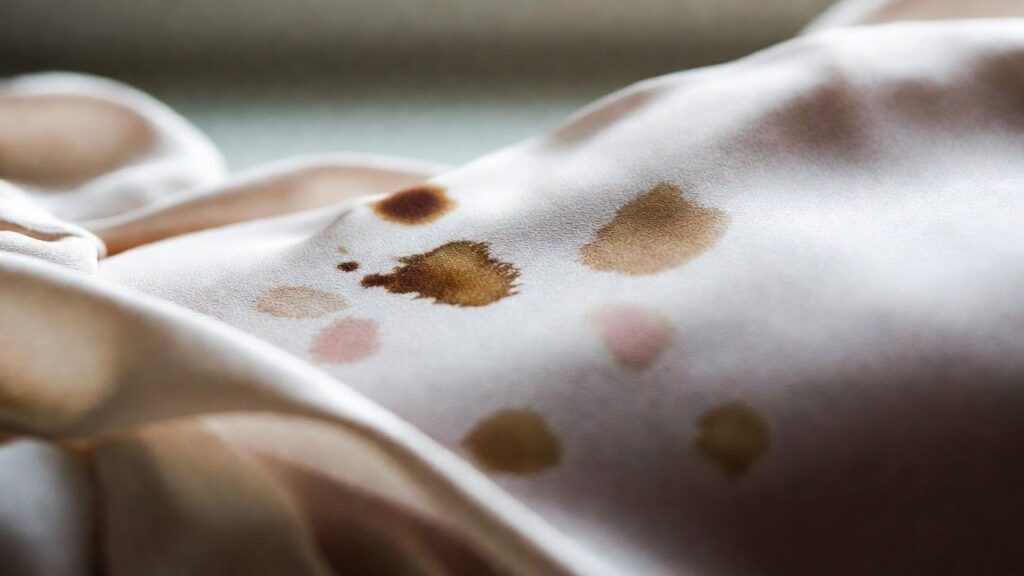
- Oil and Grease Stains – These are especially dangerous for silk and cashmere, as oils cling to fine fibers and leave dark, stubborn marks.
- Wine and Coffee Stains – Deeply pigmented liquids can quickly set into delicate materials, causing discoloration if exposed to heat or rubbing.
- Protein Stains (Blood and Sweat) – These stains bond with fabric fibers and can become permanent if treated with hot water.
- Ink and Makeup Stains – Highly concentrated pigments can spread easily on fragile fabrics, making improper cleaning risky.
- Tannin Stains – Found in tea, wine, and some plant-based spills, tannins can dull or yellow delicate garments over time.
Understanding these Common Stains That Happen to Delicate Clothes is the first step toward protecting your most valued items and maintaining their elegance for years.
Getting stains out of delicate clothing doesn’t have to be overwhelming. When you treat them quickly and carefully, even Common Stains That Happen to Delicate Clothes can be minimized without ruining the fabric.
Below are simple, preventive, and fabric-safe tips to help you tackle stains effectively, before they become permanent.
Tips to remove stains from certain fabrics
| Types of Stains | How to remove them |
| Oil & Grease Stains | Blot immediately with a clean, dry cloth. Sprinkle cornstarch or talcum powder, let sit briefly, then gently brush off. |
| Wine & Coffee Stains | Dab gently with cold water using a soft cloth. Blot from the outside inward to prevent spreading. Never apply heat. |
| Blood & Sweat Stains | Rinse with cold water only and blot lightly. Do not scrub or use hot water. |
| Ink & Makeup Stains | Place a clean cloth underneath and lightly blot to transfer pigment away. Avoid rubbing. |
| Tannin Stains (Tea, Wine, Plant-Based Spills) | Blot with cold water and a gentle detergent suitable for delicate fabrics. Test first to prevent discoloration. |
Delicate clothes deserve extra care, and understanding Common Stains That Happen to Delicate Clothes makes prevention much easier. Here are four prevention tips –
How to Prevent Stains on Delicate Clothes
- Act quickly when spills happen – The faster you address Common Stains That Happen to Delicate Clothes, the less likely they are to settle into fragile fibers.
- Avoid rubbing delicate fabrics – Rubbing can spread stains and damage fine materials like silk, wool, and cashmere.
- Be mindful while wearing luxury pieces – Apply perfume, makeup, and lotions before dressing to reduce accidental marks.
- Use garment protection when possible – Wearing a light layer or being cautious during meals can help prevent stains.
With careful habits and gentle care, you can keep your favorite pieces looking elegant for years. When stains seem too risky to treat at home, professional cleaning makes sure your delicate garments remain safe, fresh, and beautifully preserved.
What Causes Delicate Fabrics to Peel, Shrink And Fade Over Time?
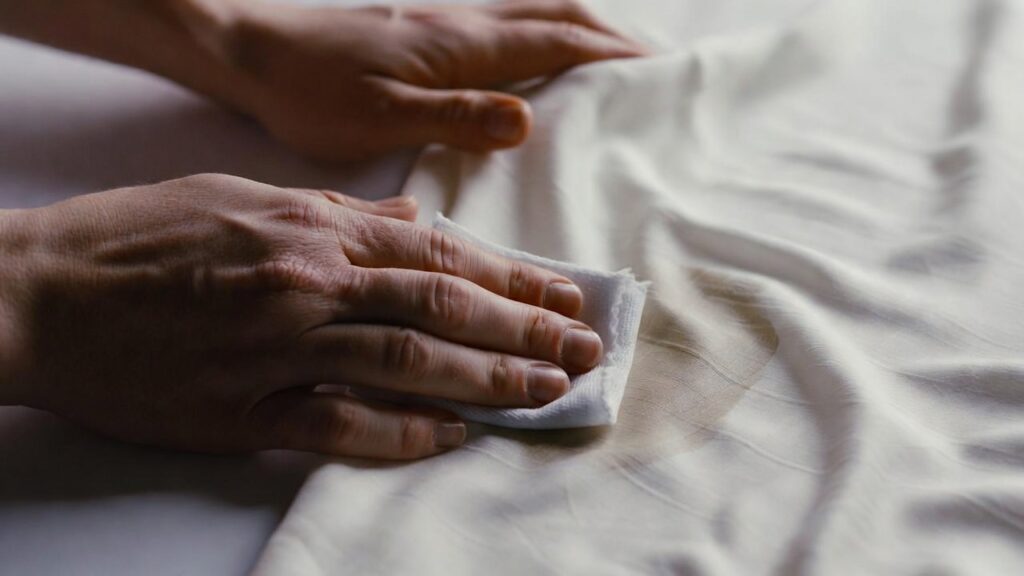
Delicate clothes are beautiful, but they need extra care to remain that way. Many people notice their favorite pieces peeling, shrinking, or fading sooner than expected.
It often comes down to daily habits and cleaning mistakes. These problems usually occur together with Common Stains That Happen to Delicate Clothes, making proper care even more important.
Breakdown of what causes fabrics to peel, shrink, and fade, how to clean them the right way, and how to avoid common mistakes in the future-
1. Fabric Friction and Rough Handling
Delicate fabrics peel when they rub against rough surfaces, zippers, or other heavy clothes during wear or washing.
Tip: Turn garments inside out and wash them separately using gentle cycles only.
2. Heat from Washing and Drying
High temperatures are one of the main reasons fabrics shrink and fade. Heat weakens fibers and locks in damage.
Tip: Always use cold water and air-dry delicate garments whenever possible.
3. Harsh Detergents and Chemicals
Strong detergents strip color and softness, leading to fading and fabric breakdown over time.
Tip: Use mild, fabric-specific detergents and avoid bleach on delicate clothes.
4. Incorrect Stain Treatment
Scrubbing stains or using the wrong solution can cause discoloration and fiber damage. This often happens alongside Common Stains That Happen to Delicate Clothes.
Tip: Blot gently and treat stains carefully, or avoid DIY fixes for luxury items.
5. Poor Storage Habit
Improper storage can stretch fabrics, cause creasing, and lead to long-term damage.
Tip: Store delicate clothes folded or on padded hangers, away from sunlight and moisture.
How to Store Delicate Fabrics Properly
- Keep them in breathable garment bags
- Avoid overcrowding your wardrobe
- Store clean clothes only, hidden stains can worsen over time
Peeling, shrinking, and fading usually start with small mistakes that add up over time. Understanding how fabrics react to heat, friction, and cleaning methods helps you avoid damage and reduce Common Stains That Happen to Delicate Clothes.
For garments that are especially valuable or difficult to care for, trusting a premium professional like VANZOO can quietly make all the difference
Why should delicate clothes never be treated as everyday clothes?

Source- https://in.pinterest.com/pin/790944753349216889/
Delicate clothes may seem easy to care for, but you shouldn’t treat them like regular outfits. Handling them the same way can cause damage that is difficult or impossible to repair.
Many issues, including Common Stains That Happen to Delicate Clothes, become worse when fragile fabrics are cleaned or worn without proper care.
What separates delicate clothes from everyday clothes?
Everyday clothes, such as cotton or denim, are designed to resist frequent wear, regular washing, and high heat.
In contrast, delicate clothes use finer fibers, special weaves, and softer finishes. These materials react quickly to friction, heat, and strong products. This is why delicate clothes stain faster, wrinkle more easily, and lose their shape if not handled properly.
Cleaning Guide for Delicate Clothes
- Use cold water only to protect fine fibers and prevent shrinking
- Choose mild or fabric-specific detergents made for silk, wool, or cashmere
- Hand wash or gentle cycle to reduce friction and peeling
- Blot stains gently, never scrub, this helps prevent Common Stains That Happen to Delicate Clothes from spreading
- Air dry flat or on padded hangers; avoid tumble dryers
- Treat stains carefully or seek professional help for luxury garments
Cleaning Guide for Everyday Clothes
- Can be washed in warm or cold water depending on fabric and color
- Regular detergents are usually safe
- Normal or heavy cycles are fine for durable fabrics like cotton or denim
- Stains can be pre-treated more aggressively
- Machine drying is generally safe
- Less risk of permanent damage from routine washing
Why These Differences Matter
Delicate clothes are made from finer fibers that quickly react to heat, chemicals, and movement. Cleaning them like regular clothes raises the risk of fading, shrinking, peeling, and setting Common Stains That Happen to Delicate Clothes permanently.
Following the right cleaning guide helps protect fabric quality, maintain appearance, and extend the life of your most valued clothes.
Why Are Stains Still Visible on Designer Clothes After Washing?– Vanzoo Explains

https://in.pinterest.com/pin/490681321919714634/
It can be frustrating to see marks lingering on luxury garments even after careful washing at home. The truth is, Common Stains That Happen to Delicate Clothes act very differently on designer fabrics compared to everyday wear. Fine fibers, special dyes, and sensitive finishes often cause stains to sink in instead of washing out.
Below are the most common reasons this happens, along with how to deal with it and simple ways to prevent it in the future.
Common Reasons Stains Stay on Designer Clothes
Stains Set During Washing
Heat or the wrong detergents can lock stains into delicate fibers. What to do: Stop rewashing and avoid heat. Repeated washing can make it worse.
- Wrong Stain Treatment
Using harsh products or scrubbing spreads stains and weakens fabric. Gently blot only, or pause treatment if the stain doesn’t lift. - Invisible Stains Become Visible Later
Oils, sweat, and perfumes may oxidize after washing, reappearing as yellow or dark marks.
Avoid home remedies once stains resurface. - Fabric Absorbs Stains Quickly
Silk, wool, and blends soak up liquids faster than everyday fabrics.
Act early, but gently, to limit how deep the stain goes. - Home Washing Has Limits
Machines and mild detergents can’t always remove Common Stains That Happen to Delicate Clothes from luxury materials.
Consider professional care before damage becomes permanent.
How to Prevent This from Happening Again
- Treat spills immediately, but never rub delicate fabrics
- Avoid hot water and strong detergents at all costs
- Don’t rewash stained designer clothes repeatedly
- Let garments fully air out before storing to prevent oxidation
- Choose professional dry cleaning for valuable pieces, especially when stains are involved
Designer clothes are made to look beautiful, not to withstand tough washing. When stains stay, it’s often because delicate fabrics require expert care, not just more home washing.
Although washing at home may seem easier, professional dry cleaning is usually the safer choice for protecting luxury garments and preventing Common Stains That Happen to Delicate Clothes from becoming permanent.
Conclusion
Taking care of delicate and designer clothes needs more than just regular washing. In this blog, we’ve explored how Common Stains That Happen to Delicate Clothes behave differently,Why they often stay visible after home washing and how improper care can lead to fading, shrinking, or permanent damage.
With the right knowledge, gentle handling, and timely action, many of these issues can be avoided before they ruin your favorite pieces.
When home methods feel risky or ineffective, trusting a premium professional like VANZOO can make all the difference. Their specialized care helps protect delicate fibers, restore luxury garments, and safely tackle Common Stains That Happen to Delicate Clothes, giving your wardrobe the care it deserves
FAQ’s
1. How can I remove curry stains from my silk saree without ruining it?
Curry stains are one of the Common Stains That Happen to Delicate Clothes, especially silk. Avoid rubbing or using hot water, as this can set the stain. Gentle blotting helps, but professional care is the safest option.
2. Why are mehndi stains still visible on my lehenga even after hand washing?
Mehndi stains act like dye and are among the Common Stains That Happen to Delicate Clothes used in festive wear. Hand washing often can’t break the stain bond. Rewashing may make the stain harder to remove.
3. How do I get rid of the strong perfume smell from woolen clothes?
Wool absorbs perfume easily, and water washing can lock in the odor. Airing helps slightly, but deep smells need careful handling. Specialized cleaning keeps wool fresh without damaging the fibers.