- Introduction
- What Is Hydrocarbon Dry Cleaning?
- Hydrocarbon Technology: The Gold Standard
- Why Hydrocarbon Is Safer and Gentler on Delicate Fabrics
- Understanding Different Dry Cleaning Methods
- The Hydrocarbon Dry Cleaning Process Step-by-Step
- Why Hydrocarbon Dry Cleaning Is Better for the Environment
- Cost Comparison: Hydrocarbon Dry Cleaning Vs Traditional Dry Cleaning
- What to Look for When Choosing an Eco-Friendly Dry Cleaning Service
- Key Takeaways
Introduction
Many people doubt that dry cleaning can be harsh for delicate, expensive fabrics. That is not true, the job of a premium service dry cleaner is to expertly tackle premium clothes and make sure the process is smooth and error-free.
The distinctive smell from freshly dry cleaned clothes is in fact disappearing with hydrocarbon dry cleaning and it is safe for the environment too.
Hydrocarbon dry cleaning is a gentler, cleaner approach that’s gaining momentum across the industry. If you’ve ever thought about whether there’s a better way to care for your delicate garments, organic dry cleaning is the way to go. Discover why this method is making waves in sustainable fashion care.
What Is Hydrocarbon Dry Cleaning?
Hydrocarbon dry cleaning is a method of cleaning clothes using special petroleum-based liquids instead of the strong chemical PERC that many traditional dry cleaners use. These hydrocarbon solvents are much milder. They’re less toxic, safer to work with, and gentler on delicate fabrics. They also have a lower impact on the environment, which is why many modern dry cleaners prefer them over PERC.
The term “hydrocarbon” comes from the chemical structure of these solvents, they contain only carbon and hydrogen atoms. Today’s hydrocarbon solvents are carefully refined so they’re clean, safe, and much more stable. Traditional dry cleaning methods used perc solvents that were too harsh on the fabric and sometimes caused subtle color fading. Dry cleaning has evolved to be safer and more environment friendly.
Hydrocarbon dry cleaning has dual benefits: it’s kinder to your clothes and safer for the people handling them and the environment. The solvents used today have undergone refinement to remove harmful like benzene and toluene that were present in earlier versions.
Hydrocarbon Technology: The Gold Standard
When we talk about premium hydrocarbon dry cleaning, Italian technology often leads the conversation. Italian manufacturers have pioneered advanced dry cleaning systems that optimize the hydrocarbon process for superior results. European hydrocarbon dry cleaners have the leading tech in modern dry cleaning. It removes the 99.9% chemicals used during the washing process from the clothes during the drying cycle. Professional services like Vanzoo use this latest tech which is very skin friendly. The chemicals used are German-certified, which means they’re gentle on your clothes and won’t irritate your skin.
On top of that, they have zero carbon footprint, so your clothes get cleaned in an eco-friendly way.

Image source: https://in.pinterest.com/pin/92323861107735917/
Why Hydrocarbon Is Safer and Gentler on Delicate Fabrics
When freshly dry cleaned clothes are slightly stiff or have a mild odor, that is a sign of chemical solvents being used. Perc solvents aggressively remove oil and grease from the clothes, sometimes stripping the fabric of its natural oils. Over time, you can observe mild color fade.
The gentleness of hydrocarbon solvents stems from their lower density compared to PERC.
Hydrocarbon solvents are gentle because of the chemicals used as well as the technique used.
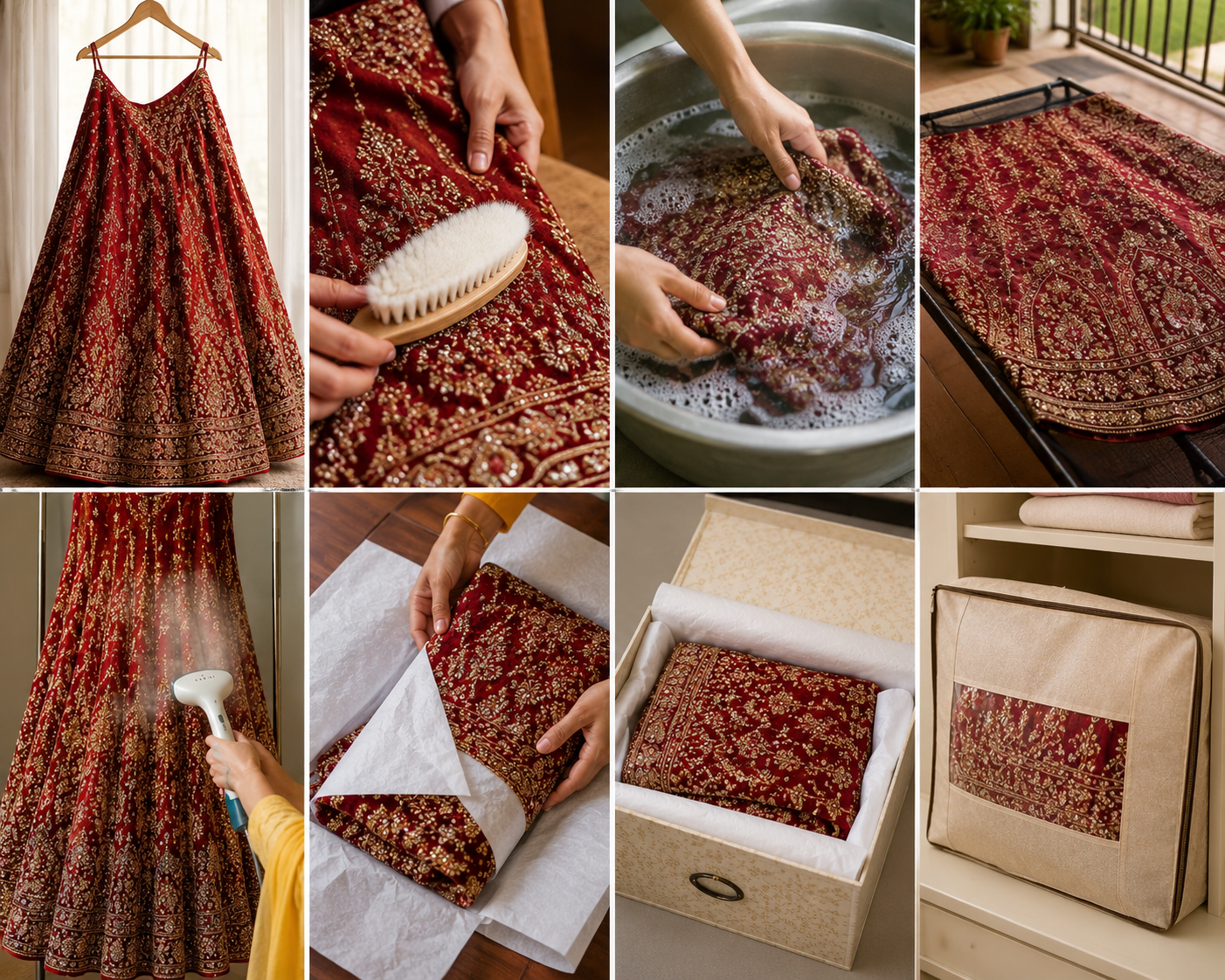
This means less machine stress on fabrics is used during the wash cycle, reducing wear and tear on fibers, and the chemicals used are gentler too. It’s especially good for clothes that have delicate details, like beads, sequins, appliqués, or even rubber parts, because the gentler solvent won’t damage or loosen them.
Hydrocarbon Dry Cleaning And Health
For people with sensitive skin or chemical sensitivities, the difference is noticeable. Hydrocarbon-cleaned clothes carry minimal residual solvent and virtually no harsh chemical smell, making them more comfortable to wear immediately after cleaning.
Understanding Different Dry Cleaning Methods
The dry cleaning industry offers several methods, each with distinct characteristics and applications. Understanding these options helps you make informed choices about garment care.
PERC (Perchloroethylene) Dry Cleaning
About 60 to 65 percent of dry cleaners still use PERC. It’s a strong chemical that cleans very fast and is especially good at removing oily stains and grease, often finishing a load in just 10 to 12 minutes.
The problem is that PERC is considered a possible carcinogen and can harm both people and the environment. Because of these concerns, many regions are tightening regulations and slowly phasing it out.
Hydrocarbon Dry Cleaning
Hydrocarbon cleaning uses refined petroleum-based solvents that are much gentler on fabrics. The cleaning cycle is longer, usually around 25 minutes, but it is safer for the wearer, the cleaner, and the environment.
Although it isn’t as strong as PERC for some tough stains, cleaners can still get great results by using proper pre-treatment methods and specialized detergents. It’s a safer and more fabric-friendly option overall.
Liquid Carbon Dioxide Cleaning This newer method cleans clothes using pressurized liquid CO2. It is completely non-toxic, leaves no residue, and does not produce harmful waste. The main downside is the cost, as CO2 machines can be much more than traditional equipment, making it harder for small businesses to adopt.
Professional Wet Cleaning Wet cleaning is the most eco-friendly method. It uses water, specialized detergents, and computer-controlled machines with moisture sensors to clean clothes safely. It produces no harmful solvent waste and usually costs less to run than traditional solvent-based cleaning methods.
Siloxane (GreenEarth) Cleaning This silicone-based solvent is chemically inert and breaks down into sand, water, and carbon dioxide. While marketed as eco-friendly, some studies have raised concerns about potential health effects, leading the EPA to note it may be a carcinogen.
Image source: https://in.pinterest.com/pin/654710864617108971/
The Hydrocarbon Dry Cleaning Process Step-by-Step
How Hydrocarbon Dry Cleaning Works
Understanding how hydrocarbon dry cleaning works helps explain why it’s so gentle on clothes while being better for the environment. Here’s a step-by-step look at the process:
Step 1: Inspection and Pre-Treatment
First, each garment is carefully checked for stains, damage, and fabric type. Any visible stains are treated with special spot-cleaning products made for hydrocarbon cleaning. These are water-free and highly concentrated so they work perfectly with the solvent.
Step 2: Loading and Cleaning
Next, the clothes are placed in machines designed specifically for hydrocarbon solvents. The wash cycle takes about 25 minutes, a little longer than PERC cleaning because the solvent works more gently. A tiny amount of special detergent (around 0.5–1.25%) helps break down oils and keeps dirt from settling back on the fabric.
Step 3: Rinsing
After washing, garments are rinsed with freshly distilled solvent from a clean tank. This step makes sure no dirt or leftover particles stick to the clothes, keeping colors bright and fabrics looking fresh.
Step 4: Extraction and Drying
The machine spins the clothes at high speed to remove as much solvent as possible before drying. This not only speeds up drying but also recovers more solvent to be reused, cutting down on waste and costs.
Step 5: Finishing and Quality Check
Finally, each garment is pressed and finished professionally. A thorough quality check ensures every stain is gone and the clothes look their absolute best before being returned to you.
Why Hydrocarbon Dry Cleaning Is Better for the Environment
Hydrocarbon dry cleaning isn’t just “less toxic than PERC.” It has several environmental benefits that make it a smarter, more sustainable choice:
Reduced Air and Water Pollution
Hydrocarbon solvents are biodegradable, which means soil bacteria can naturally break them down without producing toxic byproducts. They are much safer for rivers, lakes, and aquatic life compared to traditional chlorinated solvents.
Lower Energy Use
Modern hydrocarbon machines often use less electricity than older PERC systems. Advanced extraction technology shortens drying time, and the closed-loop design reduces solvent loss, meaning less frequent refills are needed.
Safer for Workers and Communities
Studies show that air levels of hydrocarbon solvents in dry cleaning shops stay well below safety limits. This means workers are exposed to far fewer health risks than with PERC, which has been linked to neurological problems and possible cancer risks.
Recyclable Solvent
Hydrocarbon solvents can be distilled and reused in the cleaning process. This closed-loop system cuts down on waste and makes each cleaning cycle more eco-friendly.
No Groundwater Contamination Risk
Unlike PERC, which can seep into soil and contaminate groundwater, hydrocarbon spills are much less risky. This makes hydrocarbon dry cleaning safer for shops, especially those located near homes.
Cost Comparison: Hydrocarbon Dry Cleaning Vs Traditional Dry Cleaning?
Many people wonder if hydrocarbon dry cleaning costs more than traditional methods. The answer isn’t a simple yes or no.
For Consumers
At most dry cleaners, hydrocarbon cleaning usually costs a little more than PERC. For example, a cotton shirt that might cost ₹400–800 with PERC could be around ₹5000–2000 with hydrocarbon cleaning. This small extra cost pays for gentler care that can make your clothes last longer, potentially saving money over time.
Many cleaners are switching to hydrocarbon without raising prices much, seeing it as an investment in safety and sustainability. Often, location affects pricing more than the cleaning method itself, shops in big cities generally charge more regardless of the solvent used.
For Dry Cleaning Businesses
PERC has traditionally been cheaper and easier to get than hydrocarbon solvents. A 55-gallon container of hydrocarbon solvent costs roughly ₹54,000–90,000, depending on petroleum prices, while PERC is usually less expensive per gallon.
But the overall cost picture is changing. PERC users now face higher regulatory compliance fees, expensive waste disposal, and potential liability for environmental damage. Many local governments also provide support programs to help cleaners switch to safer alternatives, making hydrocarbon cleaning a more viable choice in the long run.
Hydrocarbon cleaning takes longer, about 25 minutes per load compared to 10–12 minutes with PERC, so fewer loads can be done in a day. However, this is balanced by lower regulatory costs, cheaper insurance, and the fact that more customers prefer eco-friendly cleaning options.

Image source: https://in.pinterest.com/pin/8936899257783995/
What to Look for When Choosing an Eco-Friendly Dry Cleaning Service
Not all “eco-friendly” dry cleaners are actually eco-friendly. Some rely on marketing buzzwords, while others genuinely follow sustainable practices. Here’s how to identify a truly green dry cleaning service, and how Vanzoo sets that benchmark.
Ask About the Solvent Type
Don’t hesitate to ask, “What solvent do you use for cleaning?”
A truly eco-conscious cleaner will be clear and confident in their answer. Be careful of vague labels like organic or green without details, these can be misleading. Professional wet cleaning, hydrocarbon cleaning, or liquid CO₂ are usually the safest choices.
Vanzoo, for example, is transparent about every solvent and method used.
Check Detergent Practices
Eco-friendly care goes beyond the main solvent. Ask whether the detergents and spot-cleaning agents are biodegradable and free from harsh chemicals, phosphates, and optical brighteners. Water-based pre-treatments are a sign of a cleaner that prioritizes safety.
This is a standard followed at Vanzoo, where cleaning agents are carefully selected to protect both fabrics and the environment.
Fabric Type Expertise
A reliable sustainable cleaner should understand different fabrics and recommend the right process for each, no one-size-fits-all shortcuts. They should easily explain why your silk, wool, linen, or embellished garments need specific treatment.
Vanzoo’s staff is trained to match the cleaning method to the fabric so your clothes stay in their best condition.
Convenience Features
Modern eco-friendly cleaners often offer pickup and delivery to reduce back-and-forth travel. Look for clear scheduling, consistent turnaround times (usually 2–3 days), and good communication.
Vanzoo provides doorstep pickup and delivery designed to save time and minimize your carbon footprint.
Sustainable Practices Beyond Cleaning
A greener service goes beyond solvents. Check if they use reusable garment bags, recyclable or returnable hangers, or reduced-plastic packaging. The dry cleaning industry produces over 300 million pounds of plastic waste every years, so these small steps matter.
Vanzoo incorporates reusable and recyclable materials to significantly cut down waste.
Certifications and Transparency
See if the cleaner has environmental certifications or works with sustainable brands. These businesses tend to follow higher standards and are more committed to honest eco-friendly practices.
Vanzoo maintains transparent operations and partners with like-minded brands that value sustainability.
Key Takeaways
Image source: https://in.pinterest.com/pin/621356079887364838/
Hydrocarbon dry cleaning is a safer, more eco-friendly alternative to traditional chemical-heavy methods. It cleans effectively while being gentler on fabrics and better for the environment.
It takes a bit longer and can cost slightly more, but it helps your clothes last longer and is safer for workers.
When choosing a dry cleaner, look for transparency about their methods, knowledge of different fabrics, and a real commitment to sustainability.
Hydrocarbon cleaning gives your clothes proper care while reducing environmental and health risks, practical for both your wardrobe and the planet.