- Why Your Delicate Clothes Don’t Last (And How To Fix It Fast)
- What Actually Counts as “Delicate Clothes”? (Most People Get This Wrong)
- What Happens When Delicate Clothes Aren’t Cared for Properly
- 10 Simple Care Tips That Make Delicate Clothes Last Years Longer
- The Most Common Mistakes That Destroy Delicate Clothes (Avoid These!)
- Is Dry Cleaning Harmful for Delicate Clothes? (The Truth)
- How To Choose the Right Dry Cleaning Service for Delicate Clothes
- Takeaway: Small Habits, Big Impact on Delicate Fabrics
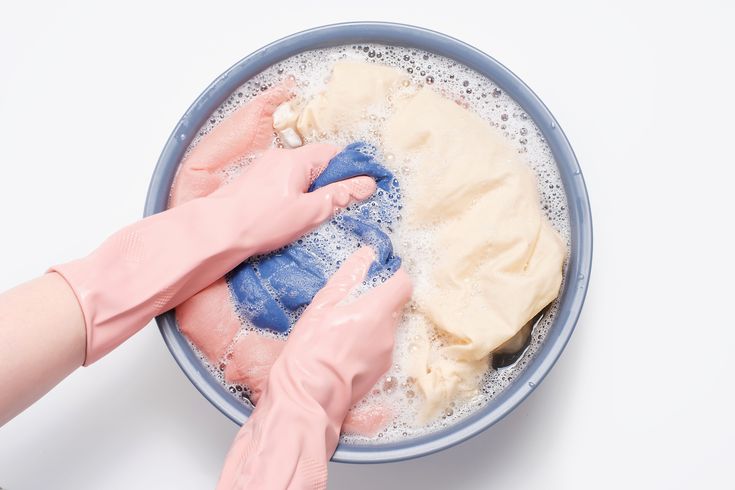
Image source: https://in.pinterest.com/pin/1147151336360050956/
Why Your Delicate Clothes Don’t Last (And How To Fix It Fast)
You know that feeling. That silk blouse you splurged on? Loose threads after just a few washes. Or your favorite cashmere sweater? Covered in pills and looking older than it actually is.
Delicate fabrics aren’t fragile. Not really. They’re made to last. The problem is how we treat them.
We throw everything into the washing machine. Use whatever detergent is on sale. And then wonder why our best pieces wear out so fast.
Silk, lace, fine knits,they need a little extra care. That’s it. A few small habits can keep them looking fresh for years.
By the end of this guide, you’ll know what counts as “delicate,” how to care for it, and the right ways to clean it. Your wardrobe might just outlast everything else in your closet.
What Actually Counts as “Delicate Clothes”? (Most People Get This Wrong)
Before we dive into care tips, let’s clear up a common confusion: what makes a fabric “delicate” in the first place?
A lot of people think “delicate” just means expensive or fancy. That’s not quite right.
Delicate fabrics are the ones with fibers or weaves that can get damaged easily,by regular washing, heat, or even friction.
Natural Fibers That Are Delicate
- Silk: Gorgeous sheen, but watch out,water spots and color bleeding happen easily.
- Wool & Cashmere: Soft and cozy, yet prone to shrinking and pilling if agitated too much.
- Linen: Wrinkles at the drop of a hat and can lose its shape if washed roughly.
- Angora & Mohair: Super soft, but they shed and can mat really quickly.
Synthetic & Blended Delicates
- Lace: The intricate weave is beautiful, but it tears easily.
- Chiffon: Sheer and lightweight, snags on just about anything.
- Rayon: Weak when wet and can shrink dramatically.
- Satin: Whether silk or polyester, the smooth finish scratches or scuffs very easily.
Construction matters just as much as the fabric. Even a simple cotton dress can be delicate if it has beading, sequins, embroidery, or structured boning. Often, it’s the embellishments that need protection,not the fabric itself.
Not sure if something counts as delicate? Check the care label. Anything that says “hand wash only” or “dry clean only” falls into the delicate category.
And here’s a common misconception: “dry clean recommended” doesn’t always mean it’s your only option. We’ll dive into that a little later.
What Happens When Delicate Clothes Aren’t Cared for Properly
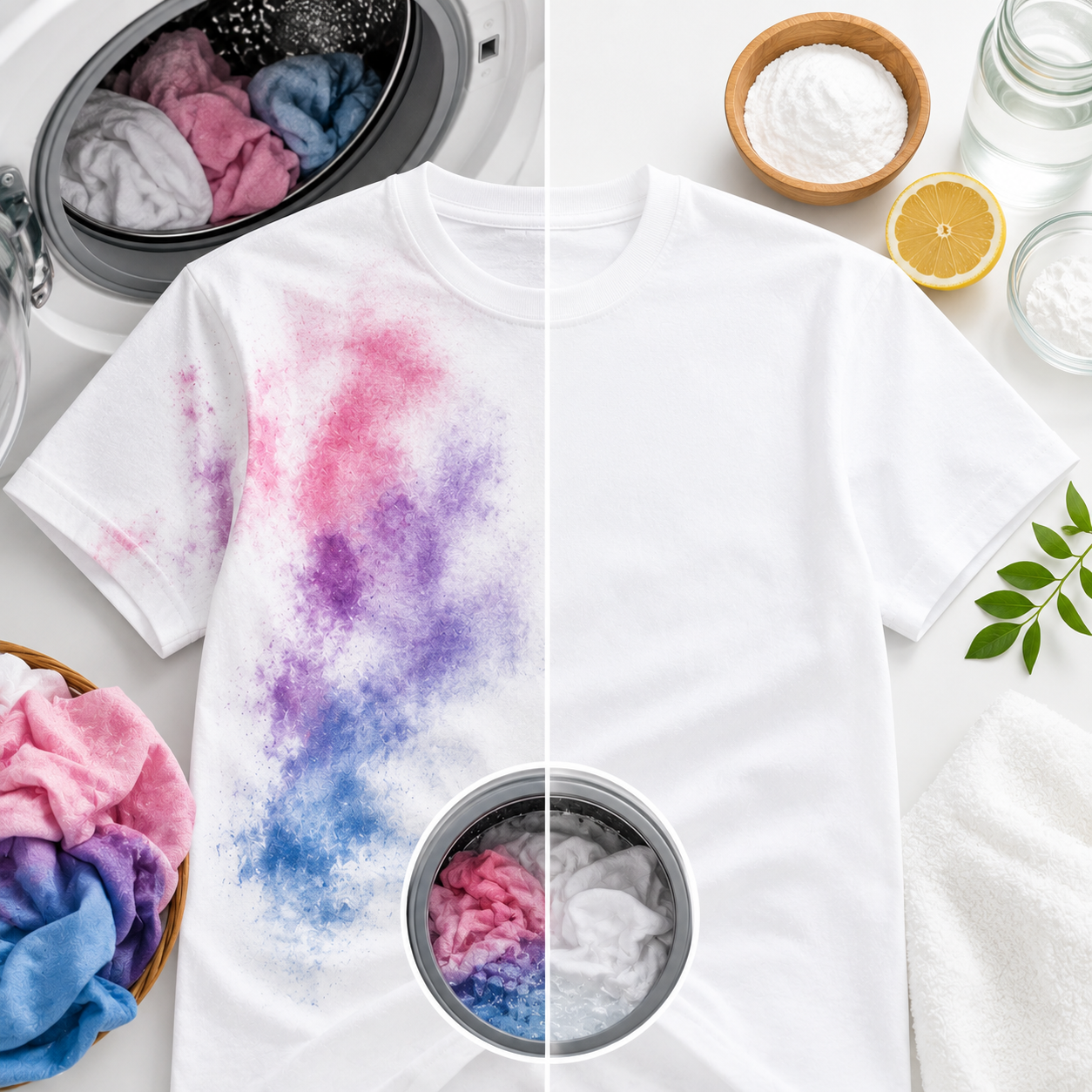
Neglecting proper care for delicate fabrics doesn’t just make them wear out faster. It can change how they look and feel and sometimes after just a single wash.
- Colors Fade: Hot water and strong detergents can make bright colors look dull. That red silk scarf? Now pink. Your navy cashmere sweater? Washed-out.
- Shrinkage: Wool and other natural fibers shrink in heat. That sweater you loved? Suddenly too tight.
- Fabric Gets Weak: Rough washing can make silk tear and lace develop holes.
- Pilling: Those little fuzz balls? Friction makes fibers tangle. Cashmere and wool get them easily.
- Loss of Shape: Twisting, wringing, or hanging wet clothes the wrong way can stretch them out. That elegant drape? Gone.
- Snags and Tears: Delicate fabrics catch on zippers, hooks, or rough clothes. One tiny pull can ruin the piece.
The cost adds up fast. Replacing a ruined silk dress or cashmere sweater isn’t cheap. It costs a lot and the real loss? The sentimental value. Those special pieces you can’t just replace because someone special gifted you.
Image source: https://in.pinterest.com/pin/252834966571269302/
10 Simple Care Tips That Make Delicate Clothes Last Years Longer
1. Read and Follow Care Labels
Those little tags aren’t suggestions. They are instructions. If it says “cold water only,” there is a reason. Heat can shrink or damage fibers. “Lay flat to dry”? Hanging it will stretch it out of shape.
2. Hand Wash Whenever Possible
Hand washing gives you full control. Fill a basin with cool water and a small amount of gentle detergent for delicates. Submerge the garment, swish it gently for a few minutes, then rinse with cool water. Never wring or twist. Just press out the water gently.
3. Use Mesh Laundry Bags for Machine Washing
If hand washing isn’t realistic, mesh bags are your lifesaver. They protect delicate fabrics from the rough interior of the washing machine. One item per bag, zip it closed, and use the delicate cycle with cold water. Snags, tears, and stretching are far less likely.
4. Invest in the Right Detergent
Regular detergents are too harsh. They have enzymes and brighteners that can damage silk, wool, or lace. Look for pH-neutral, enzyme-free detergents made for delicates. Use just a little. Too much leaves residue that attracts dirt.
5. Never Use Hot Water or High Heat
Heat is the enemy of delicate fabrics. It can shrink wool, make silk brittle, and fade colors. Always wash in cold water and skip the dryer. Heat can also set stains, making them almost impossible to remove later. If you must use a dryer, choose the air-dry or no-heat setting.
6. Dry Flat or Hang Properly
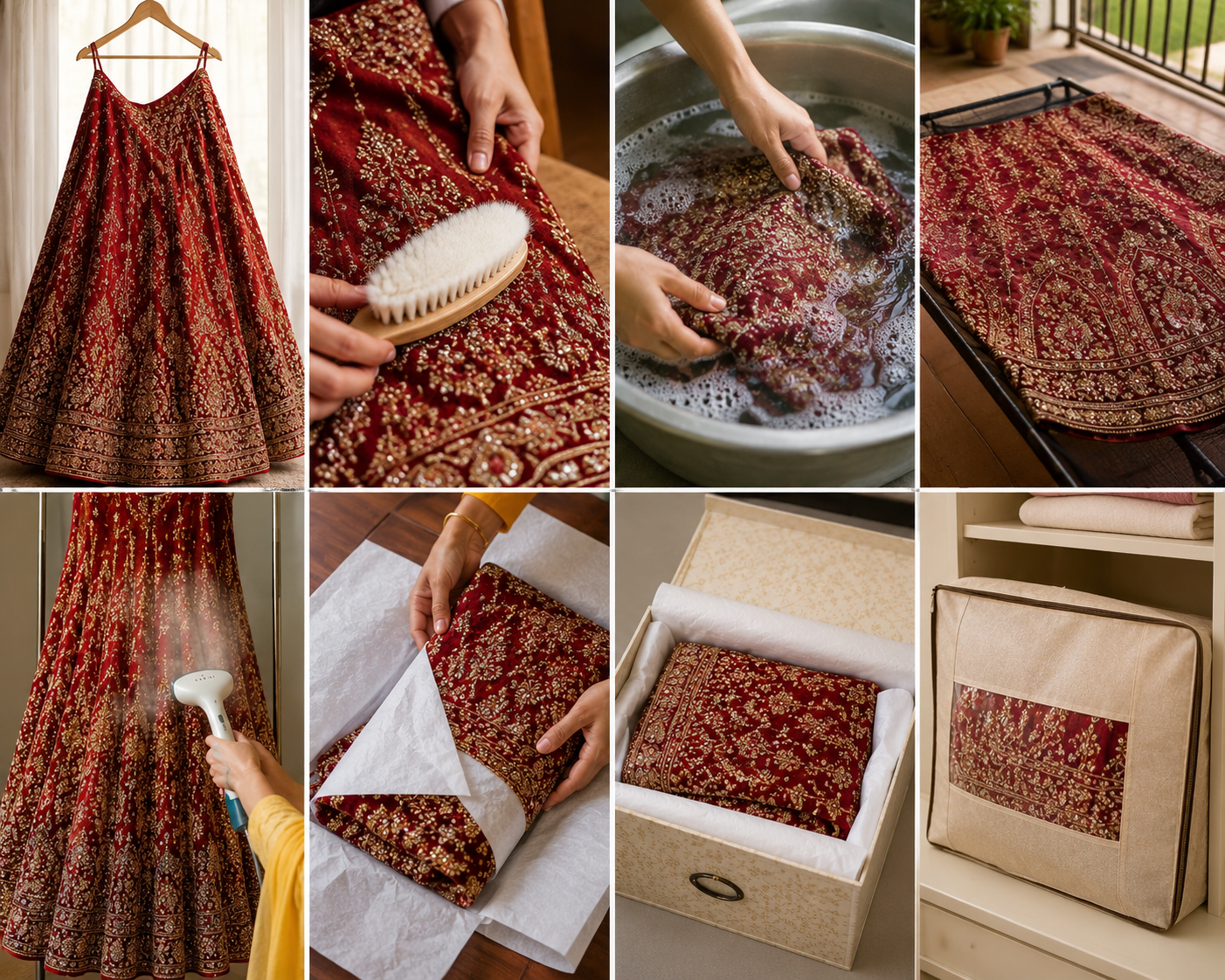
How you dry delicates matters as much as how you wash them. Lay knits flat on a clean towel, reshape gently, and air dry away from direct sunlight. Hanging wet knits will stretch them out. For woven fabrics like silk or linen, use padded hangers to prevent shoulder bumps and hang in a well-ventilated area.
7. Store With Care
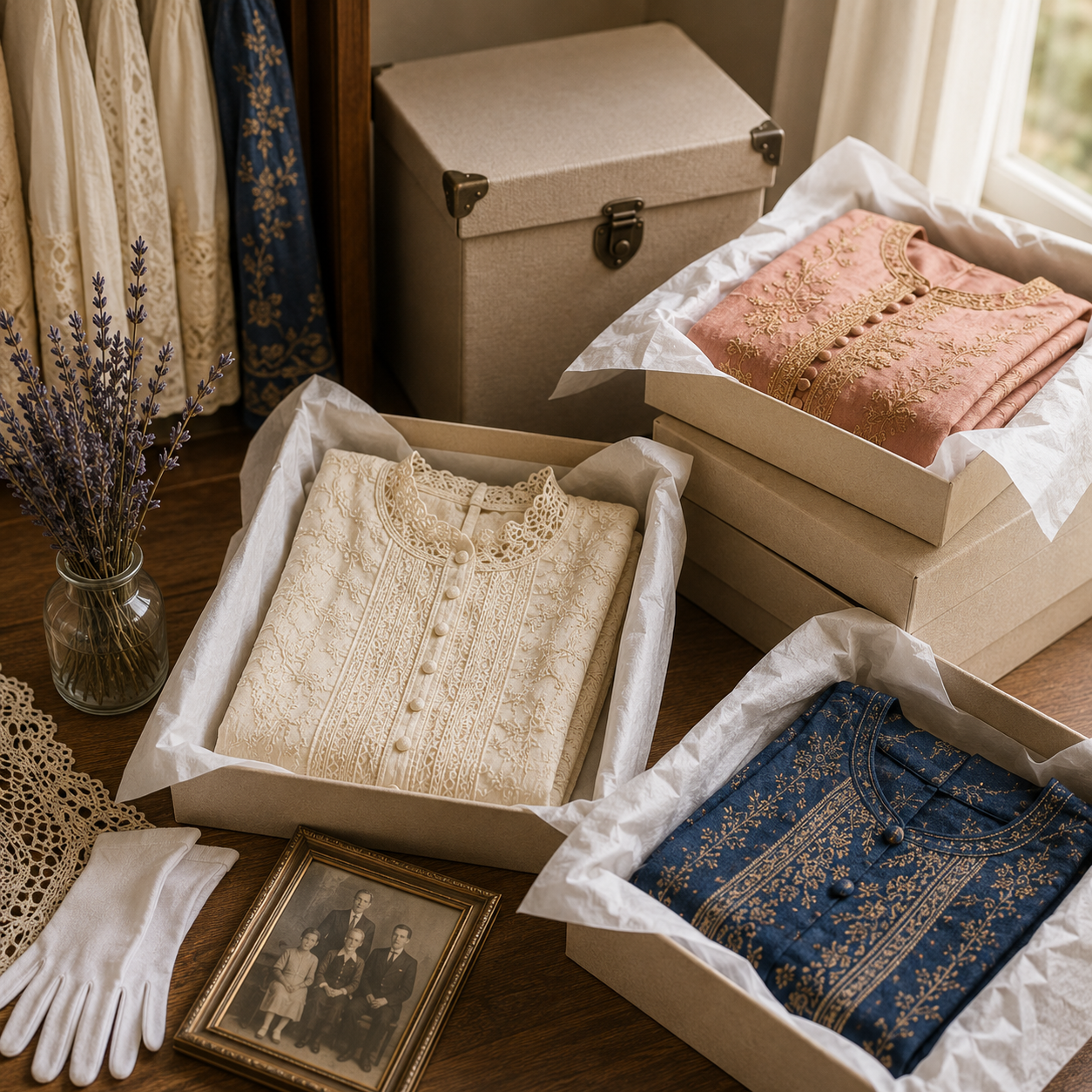
Proper storage protects clothes between wears. Fold heavy knits to avoid stretching on hangers. Use breathable garment bags for silk and fabrics that yellow easily. Add cedar blocks or lavender sachets to keep moths away from wool and cashmere. Avoid plastic bags because they trap moisture and can cause mildew.
8. Address Stains Immediately
The longer a stain sits, the harder it is to remove. Blot fresh stains with a clean, damp cloth. Never rub. For oil-based stains on silk, sprinkle a little cornstarch to soak up the oil before treating. For protein stains like blood, use cold water only. Some delicate fabrics need professional treatment to avoid damage.
9. Reduce Washing Frequency
It might sound counterintuitive, but washing less can actually make delicate clothes last longer. Most items don’t need a wash after every wear. Air them out between wears, spot-clean small marks, and only do a full wash when necessary. This reduces wear and tear from washing itself.
10. Handle With Clean, Dry Hands
Oils, lotions, and perfumes transfer from your hands to delicate fabrics. Over time, this can cause stains and damage. Put on delicate items after applying makeup and fragrance. When handling embellished pieces, touch the fabric, not the beading or sequins, to prevent loosening or damage.
The Most Common Mistakes That Destroy Delicate Clothes (Avoid These!)
Even with the best intentions, some habits can ruin your delicate clothes. You might think you’re helping, but small mistakes add up fast. Here are the most common ways we damage them without realizing it.
Mistake #1: Washing Everything Together
Don’t mix delicates with jeans, towels, or heavy clothes. They can stretch, snag, or get little fuzz balls. Wash delicates with similar fabrics only.
Mistake #2: Using Fabric Softener
Fabric softener can coat delicate fabrics, making them weaker and attracting dirt. Silk can even lose its shine. Skip softener for delicates.
Mistake #3: Ignoring the Spin Cycle
Fast spinning can twist and stretch clothes. Use a slow spin or skip it. Press out extra water gently by hand.
Mistake #4: Hanging Wet Knits
Wet wool or cashmere stretches if you hang it. Lay knits flat to dry so they keep their shape.
Mistake #5: Over-Stuffing the Washing Machine
If the machine is too full, clothes don’t move properly. That causes friction, wrinkles, and poor cleaning. Wash smaller loads.
Mistake #6: Leaving Clothes in the Washer
Wet clothes left in the machine can grow mildew and get wrinkles. Take delicates out right away and dry them flat or hang properly.
Mistake #7: Using Wire Hangers
Wire hangers can make shoulder bumps and even leave rust stains. Use wooden or padded hangers to keep clothes in shape.
Is Dry Cleaning Harmful for Delicate Clothes? (The Truth)
A lot of people think dry cleaning ruins clothes. The truth is a bit more complicated.
Traditional dry cleaning uses a solvent called perc to remove dirt and oils without water. Done right by skilled professionals, it can actually be gentler than regular washing for many delicates. Silk, wool, and lined or structured garments often come out looking even better than before.
Benefits of Professional Dry Cleaning
- No water means your clothes won’t shrink or bleed.
- Professionals can safely remove tough stains using special techniques.
- Pressing restores shape and removes wrinkles.
- Solvents clean gently, without the rough tumbling of a washing machine.
Potential Downsides
- Some solvents can make fabrics weaker if cleaned too often.
- Poor-quality cleaners may use too much heat or handle clothes roughly.
- It costs more than washing at home.
Newer alternatives There are gentler alternatives to regular dry cleaning now. Wet cleaning uses water and biodegradable detergents. Machines carefully control moisture and temperature. Green dry cleaning swaps harsh chemicals for things like liquid CO2 or silicone-based solvents.
The truth is, dry cleaning isn’t automatically bad. For really dirty delicates, structured pieces, or fabrics that can’t get wet, it’s often the safest choice. The key is finding a cleaner you trust. Someone who really knows how to handle delicate fabrics.
Image source: https://in.pinterest.com/pin/306455949655775880/
How To Choose the Right Dry Cleaning Service for Delicate Clothes
Not all dry cleaners are the same. Picking the right one can make a huge difference. Your clothes might come back looking perfect or damaged.
Step 1: Check their experience
Ask, “Do you have experience with delicate fabrics?” A good cleaner will know how to handle silk, wool, and other tricky fabrics. They should be able to explain how they will clean your clothes safely.
Step 2: See how they inspect clothes
Good cleaners look at each item before cleaning. They check for stains, weak spots, or damage and let you know if anything is already worn. This keeps both you and your clothes safe.
Step 3: Ask about cleaning methods
Find out what kind of cleaning they use. Do they have gentle options? Do they wash heavily soiled clothes separately and keep colors from running?
Step 4: Learn how they remove stains
A good cleaner will ask about the stain,what caused it and how old it is. They should be honest about what they can and cannot remove.
Step 5: Think about convenience
Look at pickup and delivery options, turnaround time, and customer service. Services like Vanzoo make it easy with doorstep pickup and delivery. They also give tracking and quality guarantees so you know your clothes are safe.
Step 6: Check reviews and ask friends
Look at online reviews. One bad review might be a mistake, but many complaints about damage or poor service are a warning. Ask friends where they take their delicates.
Step 7: Try a test item first
Before giving them your most valuable pieces, start with something small. Check how it comes back,clean, pressed, and undamaged.
The right dry cleaner will take care of your clothes, learn your preferences, and help your delicate items last longer.
Takeaway: Small Habits, Big Impact on Delicate Fabrics
Making delicate clothes last longer doesn’t need big changes. It comes down to small habits you repeat over time.
Delicate fabrics need gentler care than everyday clothes. Cooler water. Less washing. Better drying. Smarter storage. You’ve also seen how common habits like using fabric softener or washing everything together can slowly ruin them.
Good care is worth it. Your favorite pieces keep their color, shape, and softness for years. You buy fewer replacements and enjoy the clothes you already own.
Do what works for your life. Hand wash when you can. Use mesh bags when you’re short on time. Choose professional cleaning when needed. It doesn’t have to be perfect. It just has to be better than before.