- Introduction
- Washing Tips for Woollen Clothes
- Drying, Storage & Everyday Maintenance
- Stain Removal for Woollen Clothes
- Professional Laundry & Sustainability
- Takeaway: Smart Fabric Care Tips for Woollen Clothes
Introduction
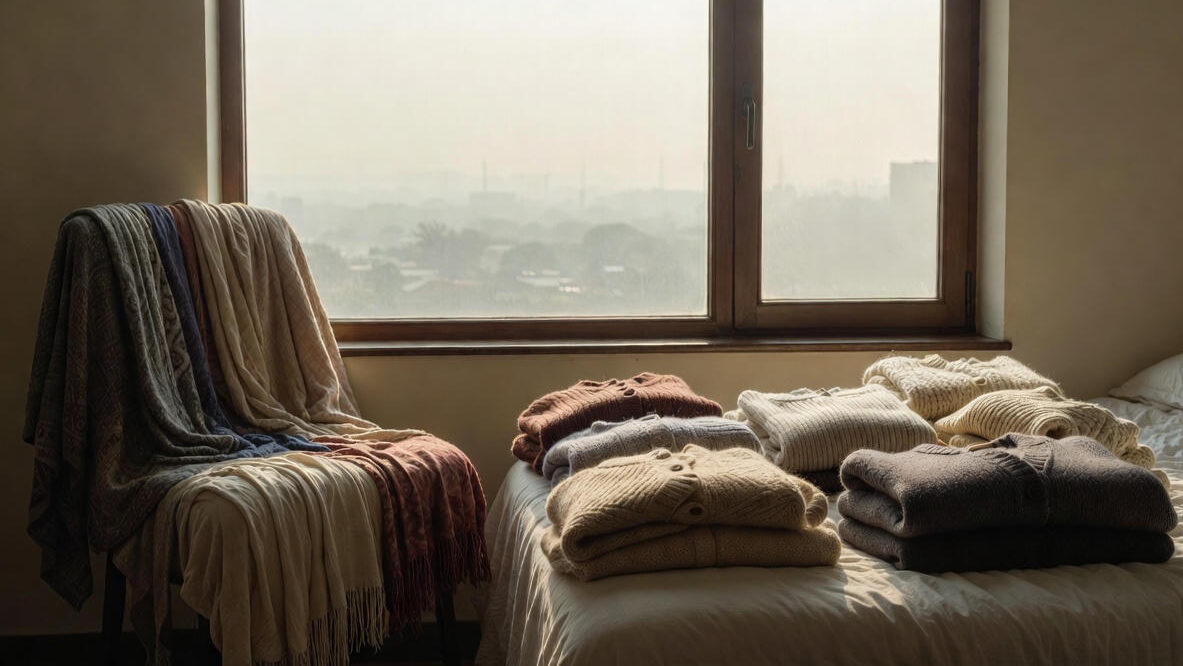
Delhi winters are tough, not just on us, but also on our woollen clothes. Dry air, pollution, sudden temperature changes, and daily layering can quietly damage your sweaters, shawls, and coats. Many people feel their woollens lose softness, shrink, or stop feeling as warm after just one season, and often, it’s not the quality of the fabric, but how it’s cared for.
Wool is a natural fibre. It breathes, insulates, and adapts to body temperature, but it also reacts strongly to heat, friction, and harsh chemicals. That’s why wool needs care that’s slightly different from regular clothes.
These fabric care tips for woollen clothes explain what to do, why it works, and what can go wrong if you don’t, so your winter favourites last longer and feel better every time you wear them.
Washing Tips for Woollen Clothes
How often should I wash woollen clothes?
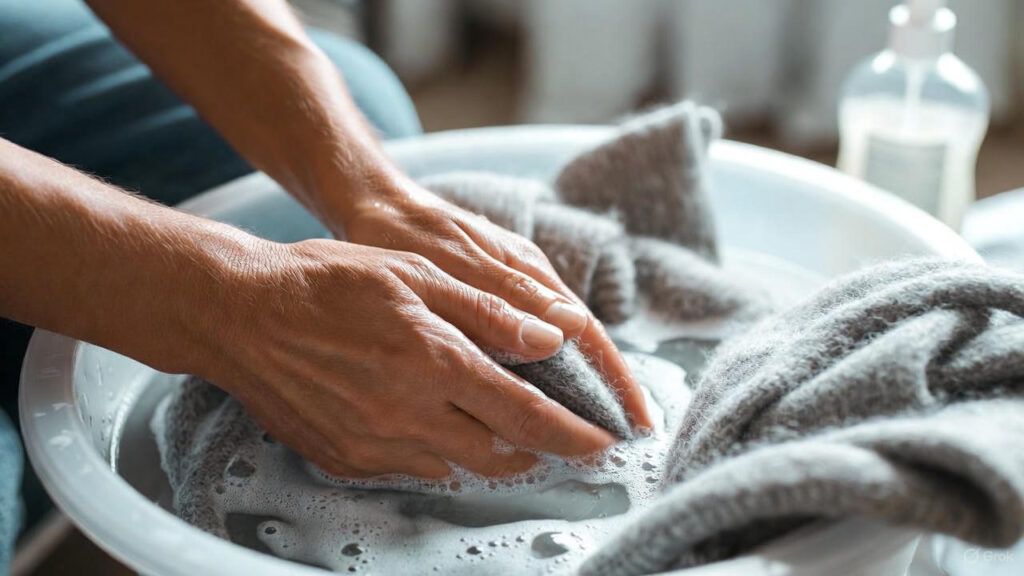
Wool doesn’t need to be washed as often as cotton or synthetics. In fact, washing it too frequently does more harm than good.
Why?
Wool fibres naturally resist odour and bacteria. Most of the time, what feels like “dirt” is just absorbed smells from pollution or cooking, which can be removed simply by airing the garment.
What works best:
Air woollens after every wear
Hang your woollen clothes in an airy spot for a few hours instead of putting them straight in the cupboard.
This lets sweat, body heat, and smells naturally disappear.
Skipping this traps moisture and odour, which can make the wool smell stale and force extra washing.
Wash sweaters and cardigans only after 5–7 wears
Wool doesn’t hold sweat like cotton, so most sweaters stay fresh for several wears.
Washing too often weakens fibres, roughens the fabric, and shrinks the garment.
Only wash when visible dirt or smell appears.
Scarves and shawls can go even longer
These sit loosely over other clothes and stay cleaner for longer.
Air them after use and spot-clean if necessary.
Overwashing can make them thin, fray edges, or fade colours.
But if you wash wool too often, the fibres weaken, leading to rough texture, loss of shape, and reduced warmth. One of the most important fabric care tips for woollen clothes is learning when not to wash them.
Does woollen clothing need different detergent
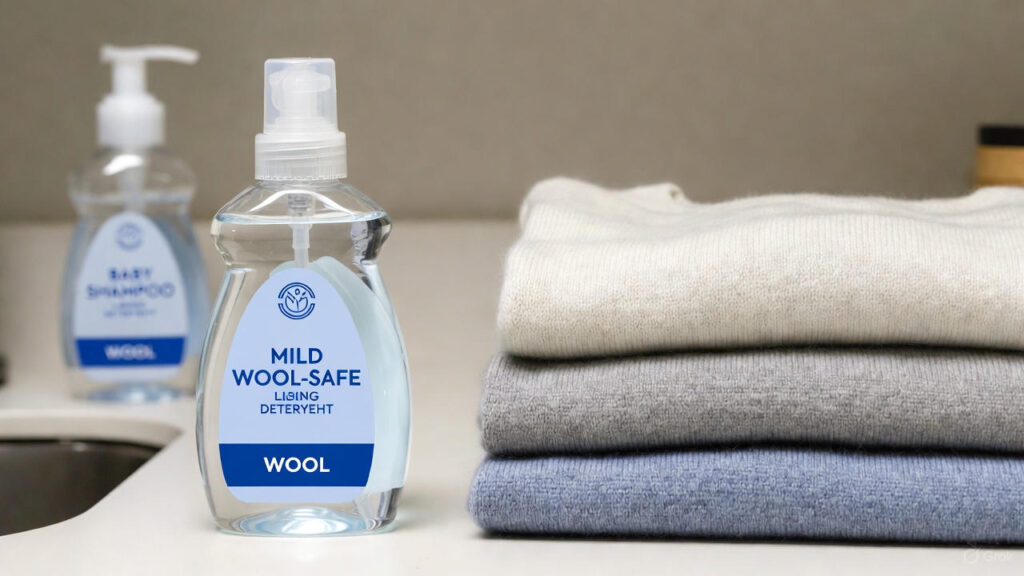
Yes, absolutely, and this makes a huge difference.
Regular detergents are designed to remove heavy dirt and oils. Wool, however, is made of protein fibres, similar to human hair. Harsh detergents strip away natural oils (lanolin) that keep wool soft and flexible.
Use:
- Wool-specific detergents: Products like Woolite or The Laundress Wool & Cashmere Shampoo are made to keep wool soft and stretchy.
- Gentle liquid soaps: A few drops of mild soap, like Dr. Bronner’s Baby Unscented Soap, works fine too.
- Baby shampoo in a pinch: If you don’t have detergent, baby shampoo can clean wool gently without hurting the fibres.
But using regular detergent can slowly damage the fibres, making wool stiff, itchy, and more likely to shrink. Following these fabric care tips for woollen clothes ensures your wool stays soft and long-lasting.
Does home washing ruin woollen cloth fabric
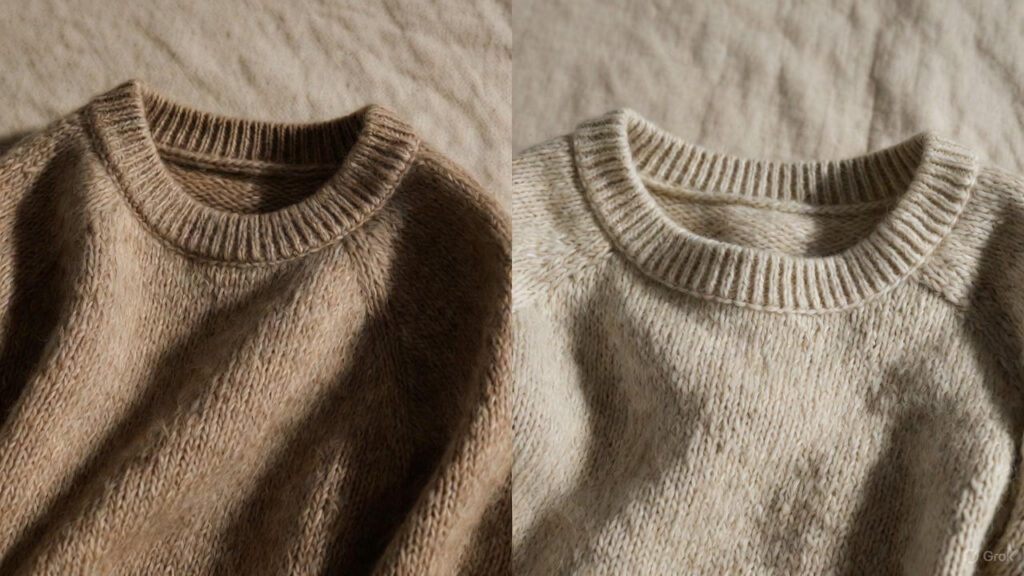
Home washing does not ruin wool, rough washing does.
Suggested- 5 Ways to Maintain Luxury Clothes At Home for the Long Term
Wool reacts badly to:
- Hot water
- Sudden temperature changes
- Rubbing, twisting, or heavy spinning
Safe home washing means:
Cold or lukewarm water
When washing wool, always use cool or slightly warm water instead of hot water. This helps keep the fibres soft and prevents shrinking, so your sweater stays cozy and in shape. Hot water, on the other hand, can make wool stiff, misshapen, and less warm over time.
Gentle hand movements
When washing wool, move your hands slowly and gently instead of rubbing or scrubbing. This cleans the fabric while keeping the fibres soft and intact. Rough movements can stretch the fibres, cause felting, and make the wool feel rough or stiff.
Light squeezing instead of wringing
After washing, press the water out gently rather than twisting or wringing the garment. This removes excess water while keeping the wool in shape. Wringing can stretch the fibres and ruin the fit of your sweater, making it smaller or misshapen over time.
If wool is treated gently, home washing is perfectly safe and is one of the most reliable fabric care tips for woollen clothes.
Does washing woollen clothes reduce their warming capacity
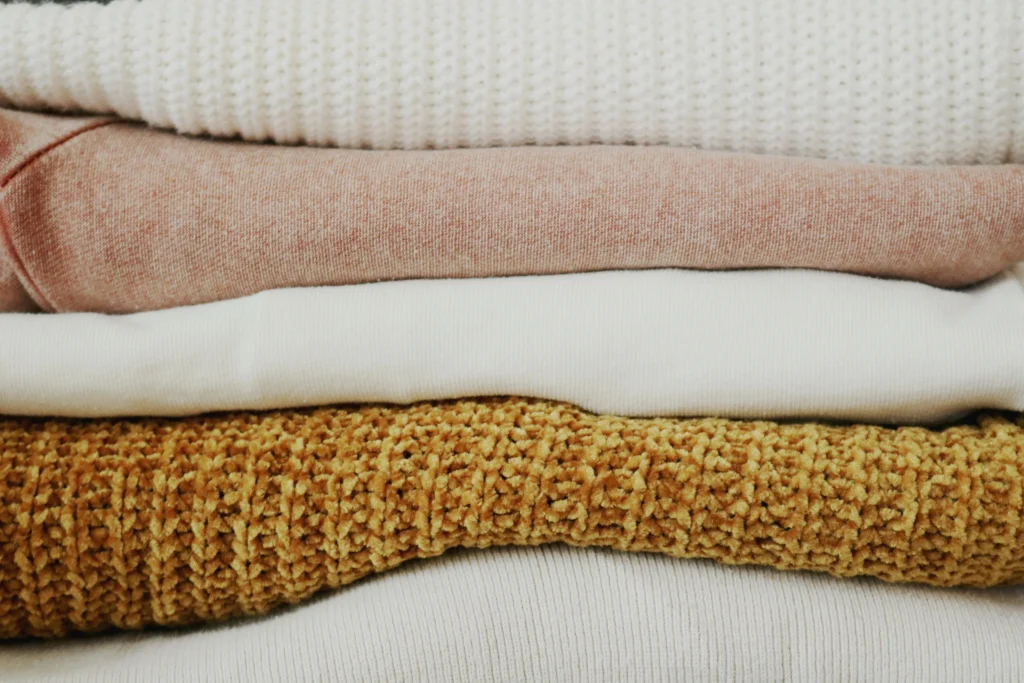
Source: https://italianartisan.com/what-is-wool-origin-composition-and-properties/
Yes, improper washing can reduce how warm wool feels.
Wool keeps you warm by trapping tiny air pockets between its fibres. Heat, friction, or harsh chemicals cause the fibres to clump together (felting), which flattens those air pockets.
The result?
- Wool feels thinner: The sweater loses its soft, fluffy feel.
- Insulation reduces: It can’t trap warmth as well as before.
- The garment feels colder despite being thick: Even a thick sweater might not keep you warm.
Gentle washing preserves the fibre structure and keeps wool doing what it’s meant to do, keep you warm.
How do you care for 100% wool garments?
Pure wool needs extra care because there’s no synthetic fibre to “hold it together.”
Best practices:
- Wash only when necessary
- Always use cold water
- Choose wool-safe detergent
- Fold garments instead of hanging
Ignoring these steps can lead to stretching, shrinking, or misshaping that cannot be reversed. Following these fabric care tips for woollen clothes ensures your garments stay soft and cosy.
Drying, Storage & Everyday Maintenance
Do woollen clothes wrinkle easily?
Wool is naturally wrinkle-resistant
Wool naturally bounces back, so it doesn’t crease easily. This means you don’t have to iron it often. Even after sitting or folding, most wrinkles disappear on their own, keeping your sweaters and coats looking neat.
Wrinkles usually appear due to:
- Poor folding: If you don’t fold wool clothes properly, they can get stretched or creased and start looking worn out.
- Overcrowded wardrobes: Cramming too many clothes together can squash wool, causing wrinkles and flattening the fabric.
- Storing clothes while damp: Putting damp wool away can make it smell musty, grow mould, and damage the fibres.
Most wool wrinkles relax on their own when exposed to steam or moisture in the air.
Should woollen clothes be ironed/steamed at home or professionally?
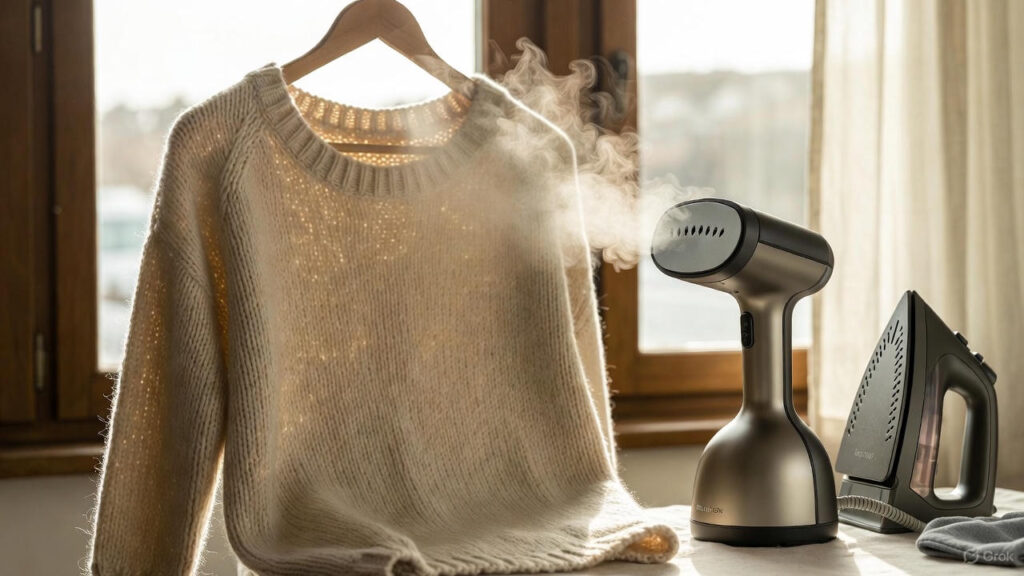
Direct ironing can flatten wool fibres
If you press wool directly with a hot iron, it can squash the fibres, making the fabric look shiny and stiff instead of soft and fluffy. This can also change the shape of your sweater or coat, leaving it looking flat and worn out. Using steam or a pressing cloth is a gentler way to remove wrinkles without damaging the wool.
At home:
- Steaming is always safer
- Using a steamer on wool gently relaxes wrinkles without pressing the fibres flat, keeping the fabric soft and fluffy.
- Keep heat low
- If you do use an iron, always choose a low heat setting. High heat can shrink or scorch wool, leaving it stiff or shiny.
- Use a pressing cloth if ironing
- Place a thin cloth between the iron and your wool garment. This protects the fibres from direct heat and prevents shiny spots or damage.
Heavy wool clothes like coats, suits, or cashmere sweaters need extra care. Taking them to a professional ensures wrinkles are removed without flattening or damaging the fabric. This keeps your clothes soft, smooth, and in great shape,something that’s hard to do at home.
What should we do to keep woollen clothes fresh?
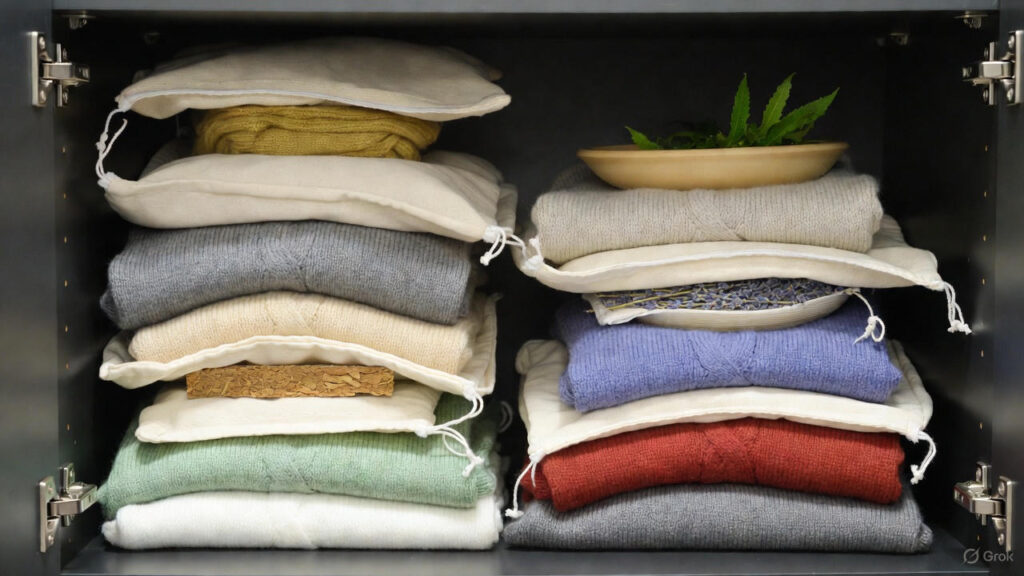
Freshness comes from air, not washing.
- Air woollens after wearing
- Hang wool clothes in a well-ventilated spot for a few hours. This lets sweat and smells fade naturally. Skipping this can make clothes smell stale and need extra washing.
- Store only when clean
- Always store wool only after cleaning. Dirt or sweat can attract moths and cause holes or stains over time.
- Avoid damp or tightly packed cupboards
- Keep wool in a cool, dry space without squashing clothes together. Damp or crowded storage can cause musty smells and flatten the fibres.
- Use breathable storage bags
- Store wool in cotton or muslin bags, not plastic. This lets air circulate and keeps the fabric fresh, while plastic can trap moisture and damage fibres.
Delhi’s air is often full of dust, smoke, and other smells. Wool easily soaks this up. By hanging your sweaters and scarves in a ventilated spot after wearing, you let the fabric breathe and freshen naturally. Skip this step, and even a clean sweater can start smelling stale after a few wears.
How to make a 100% wool sweater less itchy?
Itchiness usually happens when fibres dry out.
- To make wool feel softer, add a little hair conditioner to the last rinse. You can also soak it briefly in diluted glycerine. Always rinse gently and lay the garment flat to dry.
This restores moisture and flexibility to the fibres without damaging them.
How do I protect my wool sweaters from moths?
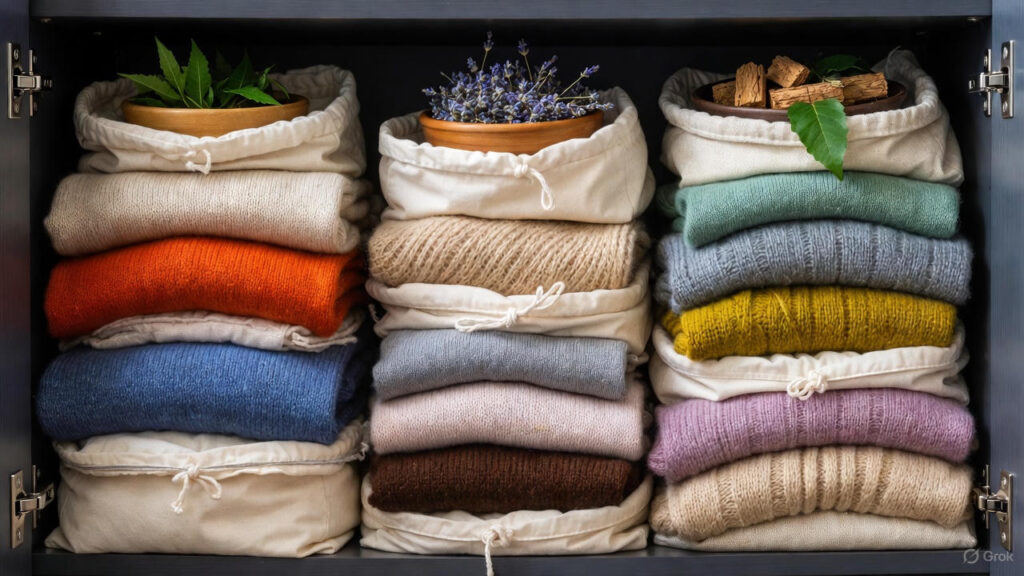
How moths affect wool?
Moths are tiny insects that love to eat natural fibres like wool, cashmere, and silk. They are attracted to clothes that have sweat, food stains, or body oils, because these give them extra nutrients. If wool garments aren’t cleaned or stored properly, moths can chew tiny holes, leaving your sweaters and scarves damaged.
Protect wool by:
- Storing only clean garments
- Make sure your wool clothes are clean before storing them. Even small stains or sweat can attract moths. If you skip cleaning, holes and damage can appear over time.
- Using neem leaves, cedar blocks, or lavender
- Keep moths away naturally with neem leaves, cedar blocks, or lavender sachets. They also give your clothes a fresh smell.
- Avoiding plastic covers that trap moisture
- Don’t store wool in plastic bags. Plastic traps moisture, which can cause mould or a musty smell. Cloth or cotton bags let the fabric breathe and stay fresh.
How to store wool clothes long term?
Before long-term storage:
- Wash or dry clean woollens
- Fold neatly to avoid stretching
- Use cotton or muslin bags
- Store in a cool, dry, dark place
Skipping cleaning before storage often leads to moth damage and fabric decay.Following these steps helps your sweaters and scarves last longer and feel warm and comfortable every winter.
Stain Removal for Woollen Clothes
How to remove stain from woollen clothes
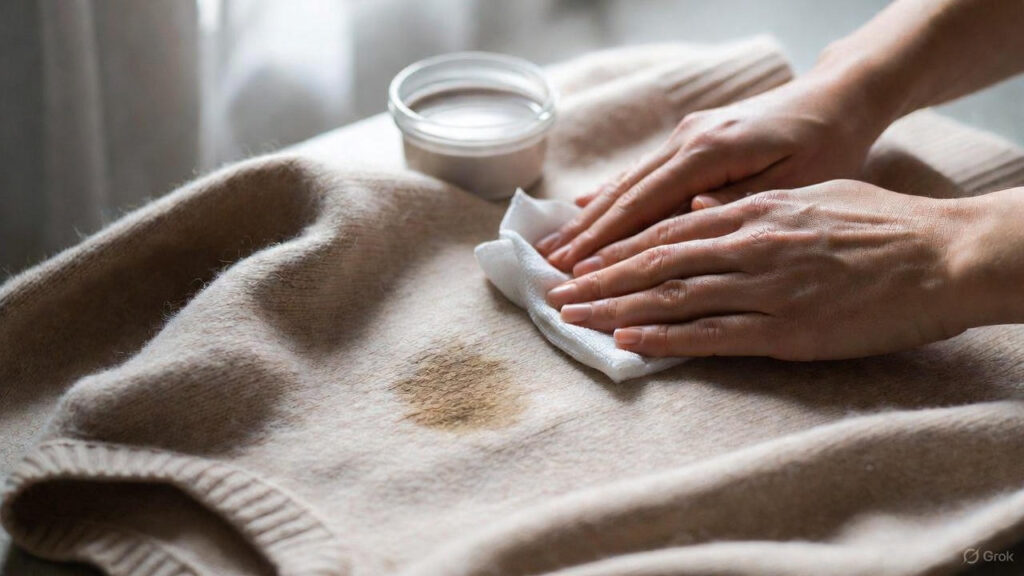
When cleaning or treating wool, act quickly to tackle stains or spills. Blot or dab gently instead of scrubbing or rubbing hard. Quick action prevents stains from setting, while rough handling can stretch or damage the delicate fibres.
Acting fast is one of the easiest fabric care tips for woollen clothes that prevents permanent damage.
Golden rules:
- Blot, don’t rub
Gently blot the stain with a cloth instead of rubbing it. Rubbing can push the stain deeper and make the wool fuzzy or stretched. - Use cold water
Always rinse wool stains with cold water. Hot water can set the stain and shrink the fabric. - Always test first
Try any detergent or cleaning solution on a small hidden spot first. This way, you can be sure it won’t ruin or discolour your wool.
Rubbing spreads the stain and damages fibres.
How to remove chai stain from woollen clothes
Tea stains set quickly.
- Blot excess tea immediately
As soon as tea spills, gently dab it with a clean cloth or paper towel. Don’t rub, or the stain will go deeper into the wool. - Rinse from the back with cold water
Run cold water through the stain from the back of the fabric. This pushes the tea out instead of letting it settle. Cold water also keeps the wool from shrinking. - Use mild detergent if needed
If the stain is still there, add a little mild wool detergent and gently rub with your fingers. Rinse well with cold water. This cleans the stain without hurting the wool.
Quick tea stain removal is one of the practical fabric care tips for woollen clothes you’ll appreciate during busy mornings.
How to remove haldi stain from woollen clothes
Turmeric is strong but manageable.
- Let stain dry fully
Let the turmeric stain dry completely before touching it. This makes it easier to remove without smearing. - Brush off powder
Gently brush off any dry turmeric powder with a soft brush or cloth. Be careful not to rub it in. - Dab diluted vinegar or lemon juice
Apply a little diluted vinegar or lemon juice to the stain using a cloth or cotton ball. This helps lift the colour from the fibres. - Rinse gently
Rinse the area with cold water and avoid rubbing. This removes the stain while keeping the wool soft and intact.
Avoid sunlight; it can make yellow stains permanent.
Handling turmeric stains carefully is a smart addition to any set of fabric care tips for woollen clothes.
Also see:
How to remove organic stains from woollen clothes?
Organic stains come from natural sources like food, sweat, or mud. For example, spilled juice, curry, chocolate, or a muddy puddle can all leave marks on your wool. Even body sweat after a long day can cause stains. These stains can make wool look dirty and, if ignored, can attract dirt or insects over time.
- Cold water only
Always rinse the stain with cold water. Hot water can set it, making it much harder to remove. - Mild detergent
Use a gentle, wool-safe detergent to treat the stain. Strong soaps can damage or roughen the fibres. - Gentle blotting
Blot the stain carefully with a cloth or paper towel instead of rubbing. Rubbing spreads the stain and can stretch or fuzz the wool.
Using cold water and gentle blotting is one of the easiest fabric care tips for woollen clothes when dealing with food or sweat stains.
How to remove chemical stains from woollen clothes?
Chemical stains come from non-food sources like perfumes, deodorants, or ink. For example, a spray of perfume on your sweater, deodorant marks on the underarms, or a pen leak can all leave stains on wool. These stains can be tricky because they may discolour or weaken the fibres if not treated carefully.
- Blot immediately
As soon as the stain happens, gently blot it with a cloth. Don’t rub, or it could spread and damage the fibres. - Use diluted vinegar or rubbing alcohol sparingly
If needed, dab a little diluted vinegar or rubbing alcohol on the stain. Use it carefully so you don’t harm the wool or change its colour. - Avoid over-wetting
Too much liquid can weaken the fibres or change the shape of the wool. Use only what’s necessary to treat the stain. - Choose professional cleaning for tough stains
For stubborn chemical stains like strong ink or perfume marks, it’s safer to take your wool to a professional cleaner. They know how to remove stains without ruining the fabric.
Quick, careful action is another must-follow tip in any guide of fabric care tips for woollen clothes.
Professional Laundry & Sustainability : The Vanzoo Experience
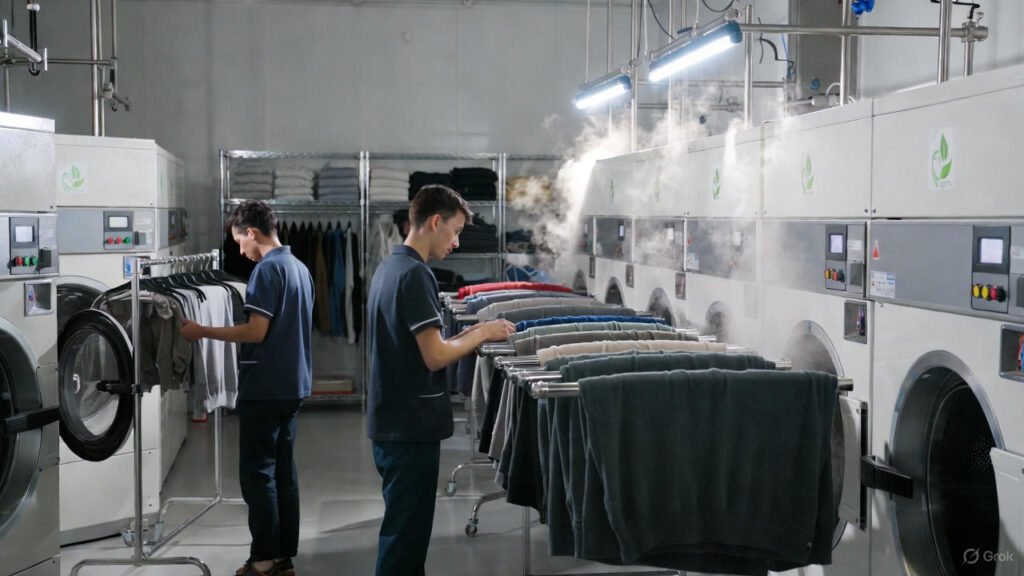
Dry cleaning is the best way to care for woollen clothes.
It is ideal when:
- Garments are structured or lined
Coats, suits, and jackets often have linings and special shapes. Washing them at home can ruin the fit or make the lining bunch up. Professionals know how to clean these safely. - Fabric is pure wool
100% wool is delicate and can shrink or get stiff if not treated right. Professional cleaners handle it gently to keep it soft and cozy. - Stains are stubborn or chemical-based
Tough stains like ink, perfume, or strong food spills are hard to remove at home. Professionals can get them out without ruining the wool or changing its colour.
Using professional cleaning services like Vanzoo when needed is one of the essential fabric care tips for woollen clothes.
Are woollen clothes environment friendly and vegan?
Wool is a natural fibre that comes from sheep. It’s renewable, because sheep grow new wool every year, and biodegradable, meaning it breaks down naturally without harming the environment. Woollen clothes are also long-lasting, so a good sweater can last many winters if cared for properly. While wool is eco-friendly, it’s not vegan since it comes from animals, so that’s something to keep in mind if you follow a vegan lifestyle.
However, traditional wool is not vegan. Vegan alternatives include recycled or plant-based wool blends. Choosing eco-friendly wool care practices is another smart tip in fabric care tips for woollen clothes.
Takeaway: Smart Fabric Care Tips for Woollen Clothes
Wash your wool only when needed, too much washing can wear it out. Use gentle, wool-safe detergent to keep it soft. Avoid heat and rubbing, like hot water or tumble drying, which can shrink or damage wool. Always store your clothes clean and dry to prevent moths and smells. For tough stains or delicate items, get professional help to keep them looking great.
Following these simple fabric care tips for woollen clothes will keep your winter wardrobe soft, warm, and long-lasting, even through Delhi’s demanding winters.