- Introduction
- Common types of Fabric and how to care for them properly
- Here’s what can happen if you don’t care for fabrics properly
- Why Washing Machines Are Harsh on Dark Fabrics
- How Detergents Damage Dark-Colored Fabrics Over Time
- Steam Pressing vs Ironing: What Works Better for Premium Fabrics
- Should You Change Fabric Care Routines With Every Season?
- Conclusion : Different Types of Fabric and How to Care for Them
Introduction
Most of your clothes get damaged because we don’t understand the types of fabric and how to care for them properly. From everyday cotton to delicate silk and synthetic fibres, each fabric reacts differently to washing, drying, heat, and storage.
Knowing different types of fabric and how to care for them can help prevent shrinking, fading, pilling, and premature wear. A simple change in how you wash or store your clothes can actually extend their life, keep them looking new, and save money in the long run.
In this guide, we break down types of fabric and how to care for them in a clear, practical way, so you know exactly what your clothes need and what mistakes to avoid.
Common Types of Fabric and How to Care for Them Properly
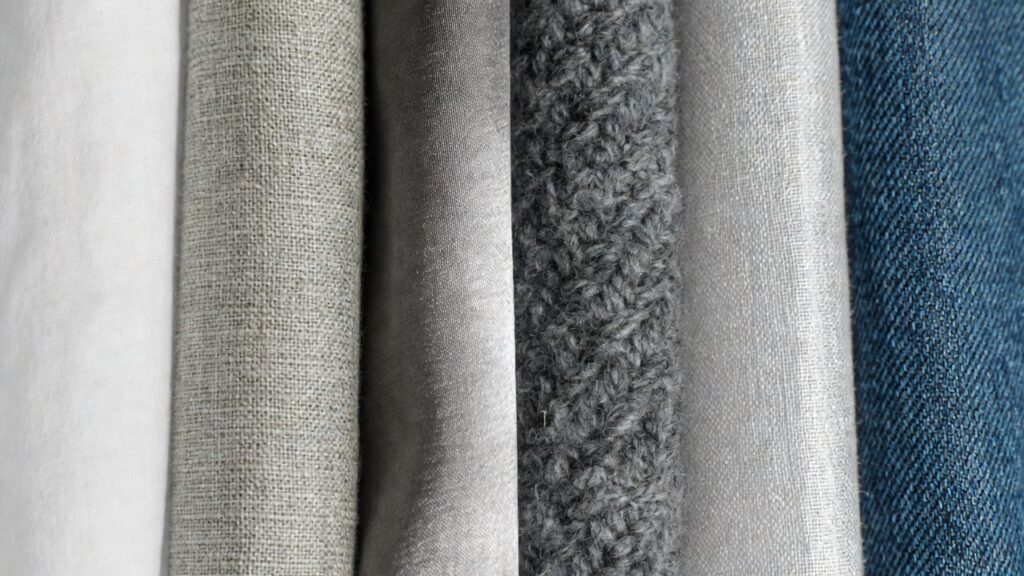
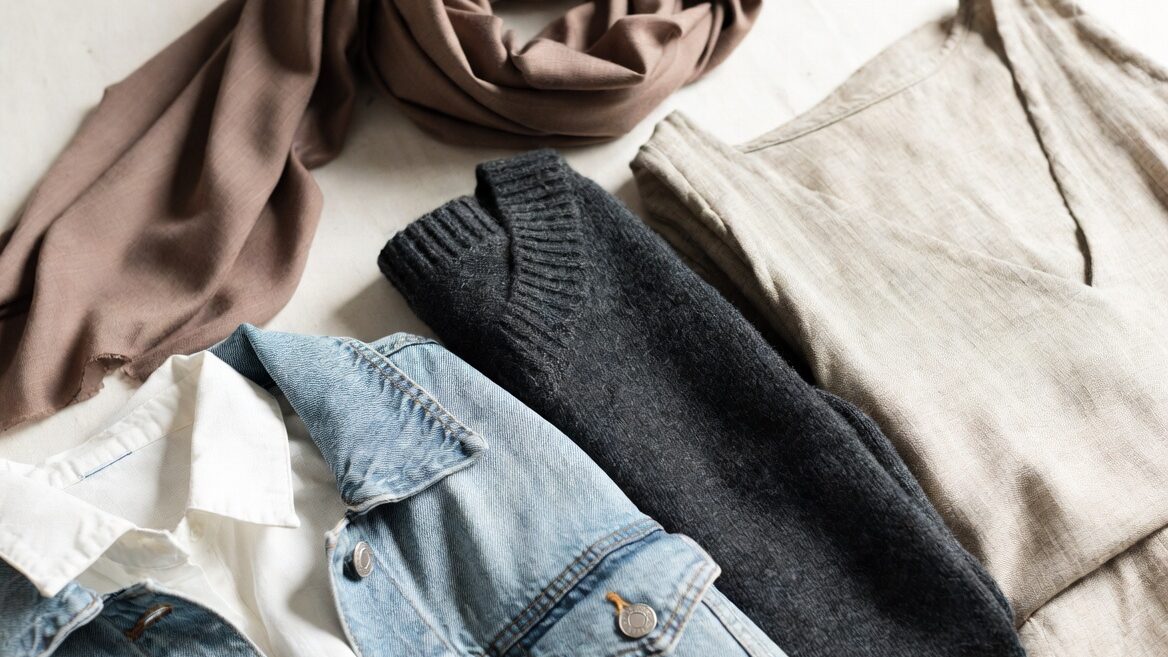
Understanding the types of fabric and how to care for them is really important to keep your clothes fresh and new. Each fabric has its own needs when it comes to washing, drying, and storage
Below are six common fabrics and simple maintenance tips to help you care for them the right way-
- Cotton
Wash in cold or warm water to prevent shrinkage and color fading. Avoid over-drying, as high heat can weaken cotton fibers over time.
2. Linen
Use gentle wash cycles and air dry when possible. Light ironing while the fabric is still slightly damp helps maintain its natural texture.
3. Silk
Hand wash or dry clean using mild detergent. Always air dry away from sunlight to prevent damage and discoloration.
4. Wool
Wash sparingly and use cold water with a gentle detergent. Store folded in breathable covers to maintain shape and avoid stretching.
5. Polyester
The machine washes in cold water and avoids high heat drying. Polyester dries quickly and holds shape well when not overheated.
6. Denim
Wash inside out in cold water to preserve color. Avoid frequent washing and air dry to maintain structure and fit.
Following these points above could really save your clothes from getting damaged.
Caring about your clothes would not just make them look fresh and nice but would also extend their fabric life. But if you still refuse to care about your clothes then have a look at the common issues below that you are likely to face-
Here’s what can happen if you don’t care for fabrics properly:
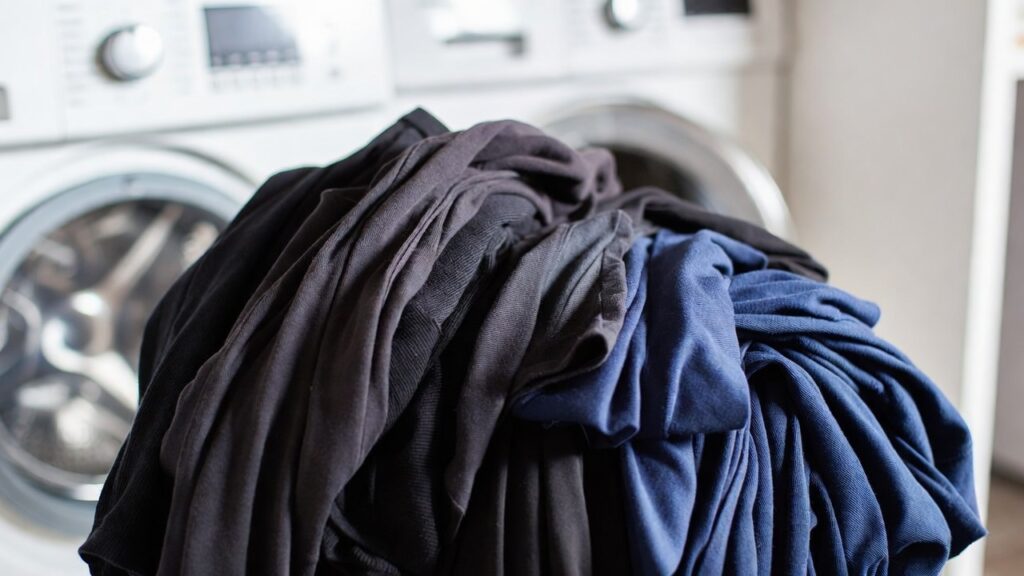
1. Clothes Wear Out Faster
Improper washing, high heat, and rough handling weaken fabric fibers, causing garments to thin, tear, or lose shape much sooner than they should.
2. Shrinking and Misshaping
Ignoring care instructions can lead to unwanted shrinkage or stretching, especially in natural fabrics like cotton, wool, and linen.
3. Fading and Dullness
Overwashing, harsh detergents, and direct sunlight strip color from fabrics, making clothes look old and lifeless.
4. Damage That Can’t Be Fixed
Melted fibers, scorch marks, and fiber breakdown caused by heat or chemicals are often permanent and cannot be repaired.
5. Loss of Comfort
Poor fabric care makes clothes stiff, rough, or less breathable, reducing comfort and wearability over time.
6. Higher Replacement Costs
When clothes wear out faster, you end up replacing them more often, spending more money than necessary in the long run.
Understanding types of fabric and how to care for them helps protect your wardrobe, your wallet, and the environment. A little extra care goes a long way in keeping your clothes looking and feeling their best.
Why Dark-Colored Fabrics Fade Faster After Washing at Home
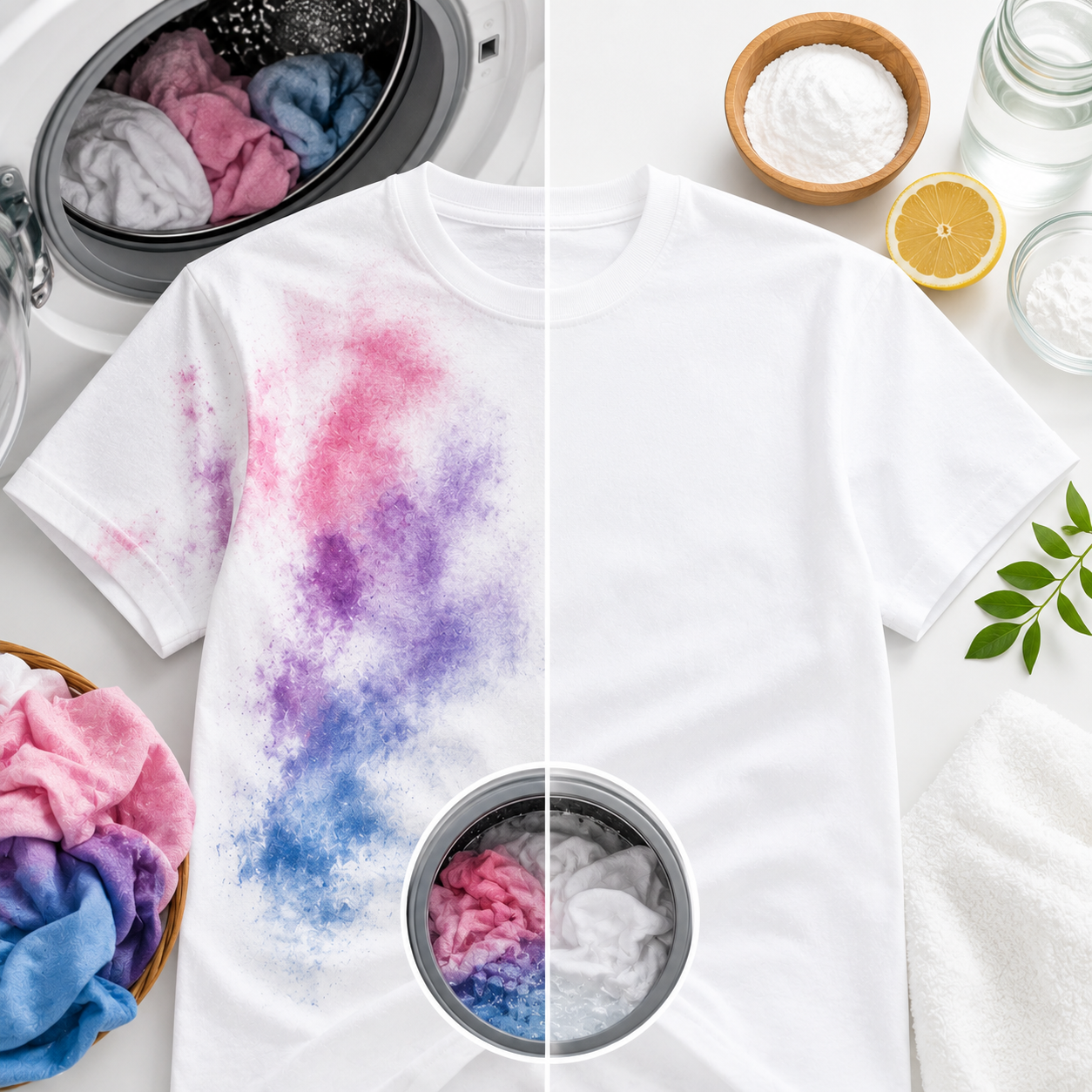
Dark- Coloured clothes look effortless while caring for them is a bit complicated, and one of the most common complaints people have, regardless of the types of fabric and how to care for them, is that dark clothes start looking dull, faded, and worn out after washing at home.
The reason why it happens:
Dark fabrics need a lot of dye to get their rich colors. Unlike lighter fabrics, these dyes remain closer to the surface of the fibers instead of soaking in deeply. When you wash dark fabrics at home, several harmful factors affect them at the same time, such as-
- Water loosens dye from the fabric, especially in cotton, rayon, linen, and blended materials.
- Most detergents are slightly alkaline, which slowly breaks down color with every wash.
- Washing machines constantly rub your clothes, causing surface wear that strips away the richness of dark shades.
This problematic combo eventually damages fabric quality and also leads to color loss, even though your clothes might look clean.
Why Washing Machines Are Harsh on Dark Fabrics
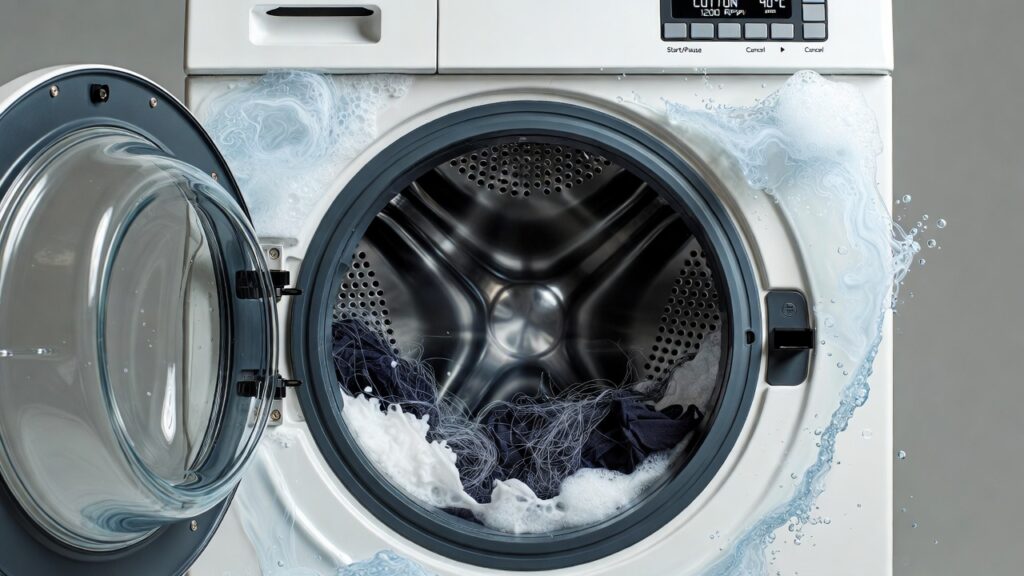
One of the most misunderstood aspects of fabric types and their care is the role of friction. In a home washing machine, clothes rub against:
- Other clothes
- The drum walls
- Zippers, buttons, and seams
For dark-colored fabrics, this friction causes micro-fiber breakage. This scatters light differently and makes the fabric look faded. Over time, this damage builds up, giving dark clothes a chalky or washed-out appearance.
Even gentle or cold wash cycles cannot fully remove this mechanical stress.
How Detergents Damage Dark-Colored Fabrics Over Time– Vanzoo Explains
Source: https://in.pinterest.com/pin/279786195576817102/
Your clothes may look clean and fresh from the surface level but those harsh chemicals in detergents are not just getting rid of dirt and dust but also getting rid of color from the fabric.
Especially for premium cotton, wool blends, and synthetics, these suffer because:
- Detergents weaken the bond between dye and fabric, making color wash out over time
- Repeated washing leaves chemical residue on the fabric, dulling dark shades
- Optical brighteners in detergents are meant for light clothes and can make dark colors look faded or uneven
While taking care of your clothes, knowing different types of fabric and how to care for them, makes a huge difference. It has become much more convenient for beginners to start looking after their clothes, in order to extend their fabric life.
Few preventive measures you can take are-
- Turn clothes inside out before washing to reduce surface friction
- Wash dark garments less frequently unless visibly dirty
- Use cold water to slow down dye loss
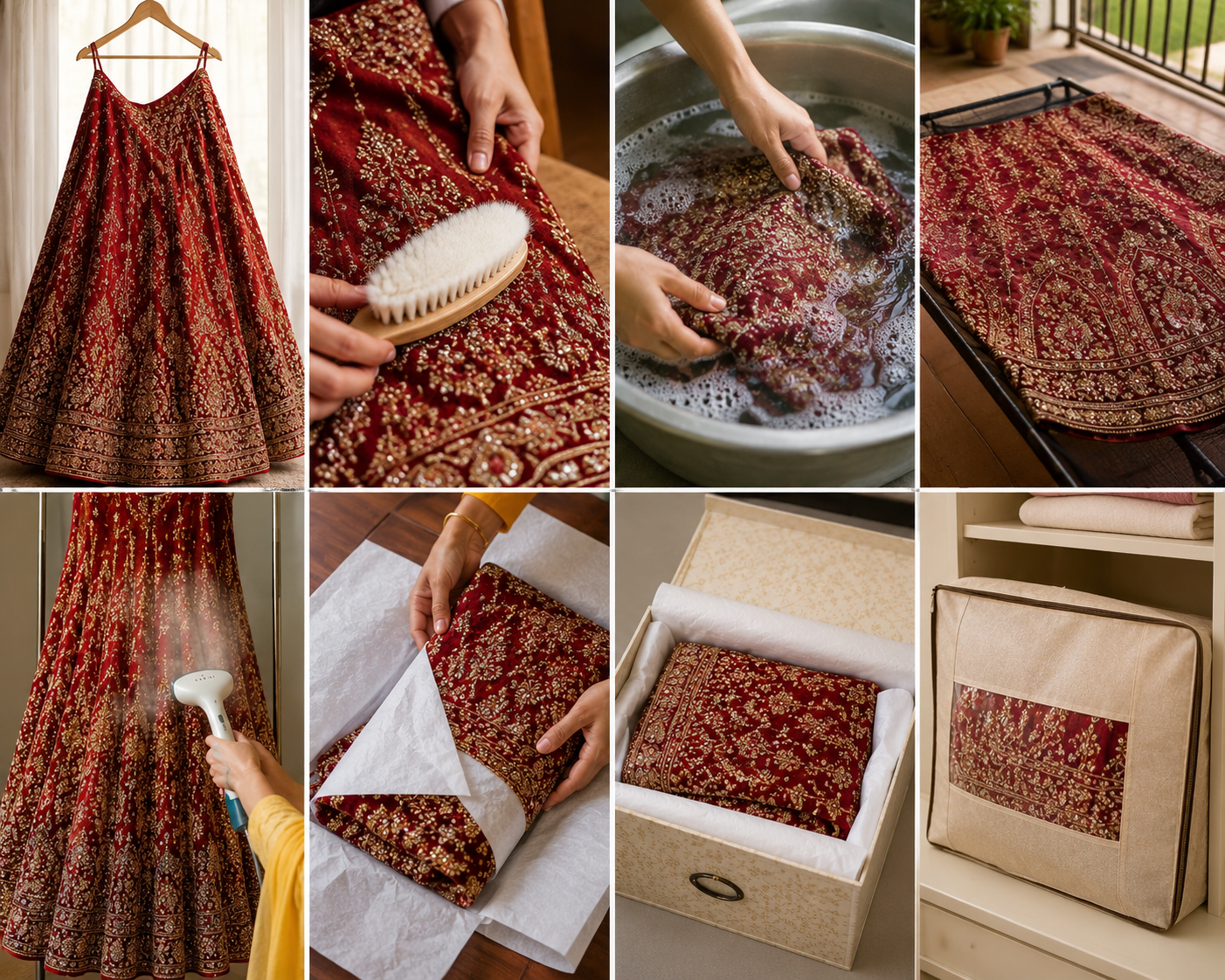
Other than these measures, getting your clothes professionally cleaned, not only restores quality of fabric but also promotes fabric longevity with convenience. Professionals like VANZOO guarantee to keep your clothes look fresh and help them last longer.
Steam Pressing vs Ironing: What Works Better for Premium Fabrics
Source: https://share.google/g3ukguuIENB2HQcKf
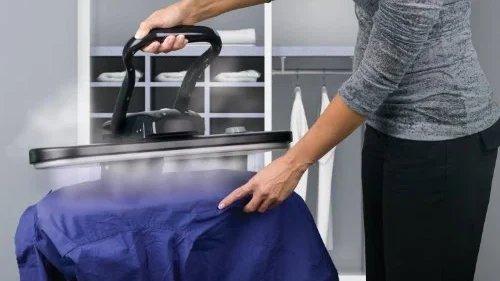
While both of these methods remove stubborn wrinkles from everyday clothes to designer outfits. But knowing which method is suitable for which fabric makes your life easier . As different kinds of fabrics react differently to heat and steam.
Here is the list of fabrics with recommended heating tips-
Cotton
Iron or Steam: Both
Cotton handles heat well but can scorch at high temperatures. Iron slightly damp or use steam for best results.
Linen
Iron or Steam: Steam preferred
Linen wrinkles easily and responds best to steam. Iron only while damp and at high heat if needed.
Silk
Iron or Steam: Steam (from a distance)
Direct heat can damage silk. Use gentle steam or iron on the lowest setting with a pressing cloth.
Wool
Iron or Steam: Steam
Steam relaxes wool fibers without flattening them. Avoid direct ironing to prevent shine and distortion.
Polyester
Iron or Steam: Steam preferred
High heat can melt synthetic fibers. Use steam on low heat and avoid pressing directly.
Denim
Iron or Steam: Iron
Denim can handle higher heat. Iron inside out to prevent fading and shine.
Rayon / Viscose
Iron or Steam: Steam preferred
This fabric weakens when wet and can scorch easily. Use low heat and light steam only.
Bonus Tip: If you are unsure whether to iron your clothes or steam press, always choose steam press, as it will never burn your clothes and even a beginner could use a steam press machine at home. Even if you don’t have it, services like VANZOO not only dry cleans your clothes but can steam press as well.
Here’s why it truly matters:
- Protects fabric fibers from permanent damage
- Prevents burn marks, shine, and melting
- Maintains original fit, shape, and structure
- Preserves softness, breathability, and comfort
- Extends garment lifespan significantly
If you prefer low-maintenance clothing, you can look for certain fabrics during your next shopping spree. Below are the fabrics, which need neither ironing nor steam pressing, to make your life easier-
Fabrics That Don’t Need Ironing or Steam Pressing
Also See: How to Maintain Shape and Quality of Expensive Clothes?
These fabrics are naturally wrinkle-resistant or designed to hold their shape, making them low-maintenance and press-free.
- Polyester
Wrinkle-resistant and shape-retaining. Smooths out naturally when hung properly. - Nylon
Lightweight and quick-drying. Wrinkles release easily without heat. - Spandex / Elastane Blends
Stretch fabrics recover shape on their own. Heat can actually damage them. - Acrylic
Resists creasing and holds structure well. Ironing can cause melting. - Microfiber
Designed to stay smooth. Light air drying is usually enough. - Performance & Activewear Fabrics
Engineered to be wrinkle-free and heat-sensitive, pressing is unnecessary and risky.
Should You Change Fabric Care Routines With Every Season?
Also See: Best Fabric Care Tips for Woollen Clothes in Delhi Winters
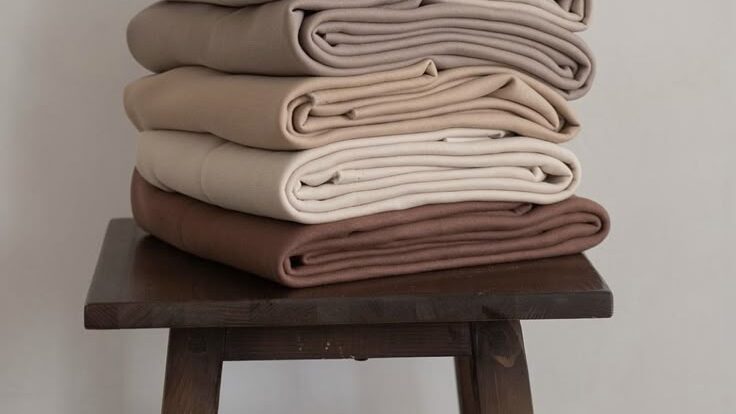
India’s diverse season, each season challenges care routines of fabrics. Here’s a brief guide below on common issues people face –
Summer (March to June): The high heat and intense sun increase sweat production and odor. This also causes color fading, especially in cotton and synthetic fabrics.
Monsoon (July to September): Heavy humidity and rainfall create conditions for mold, mildew, and musty smells in stored clothes.
Winter (October to February): Cooler temperatures and dry air affect woolens and heavy fabrics, making them stiff and prone to losing their shape.
Coastal Climate (Year-round): Constant humidity weakens fabrics, causes salt damage, and promotes fungal growth.
Knowing different types of fabrics and how to take care of them has become crucial to extend the fabric quality. Here’s how you can create fabric care routines according to each season by following the clothing care guide below-
Summer Care (Heat, Sweat & Frequent Washing)

Cotton
- Wash less frequently; over-washing causes fading and shrinkage
- Turn garments inside out to reduce color loss
- Avoid hot water—it weakens fibers over time
Linen
- Limit machine washing; friction causes rapid fiber wear
- Air-dry instead of tumble drying to prevent stiffness
- Store loosely to avoid deep creases
Rayon / Viscose
- Avoid water-heavy washing—fabric weakens when wet
- Spot clean when possible
- Keep away from heat and direct sunlight
Monsoon / Humid Season Care (Moisture & Odor Risk)

Source: https://share.google/INXrwEwKIfaEZb6eU
Synthetic Fabrics (Polyester, Nylon)
- Avoid frequent home washing; moisture traps odor
- Ensure garments are fully dry before storage
- Rotate usage to reduce sweat buildup
Blended Fabrics
- Do not rely on one-size-fits-all washing methods
- Avoid soaking, which affects fibers unevenly
- Prefer professional cleaning for structured garments
Silk
- Keep away from humidity to prevent dye bleeding
- Never soak or wring
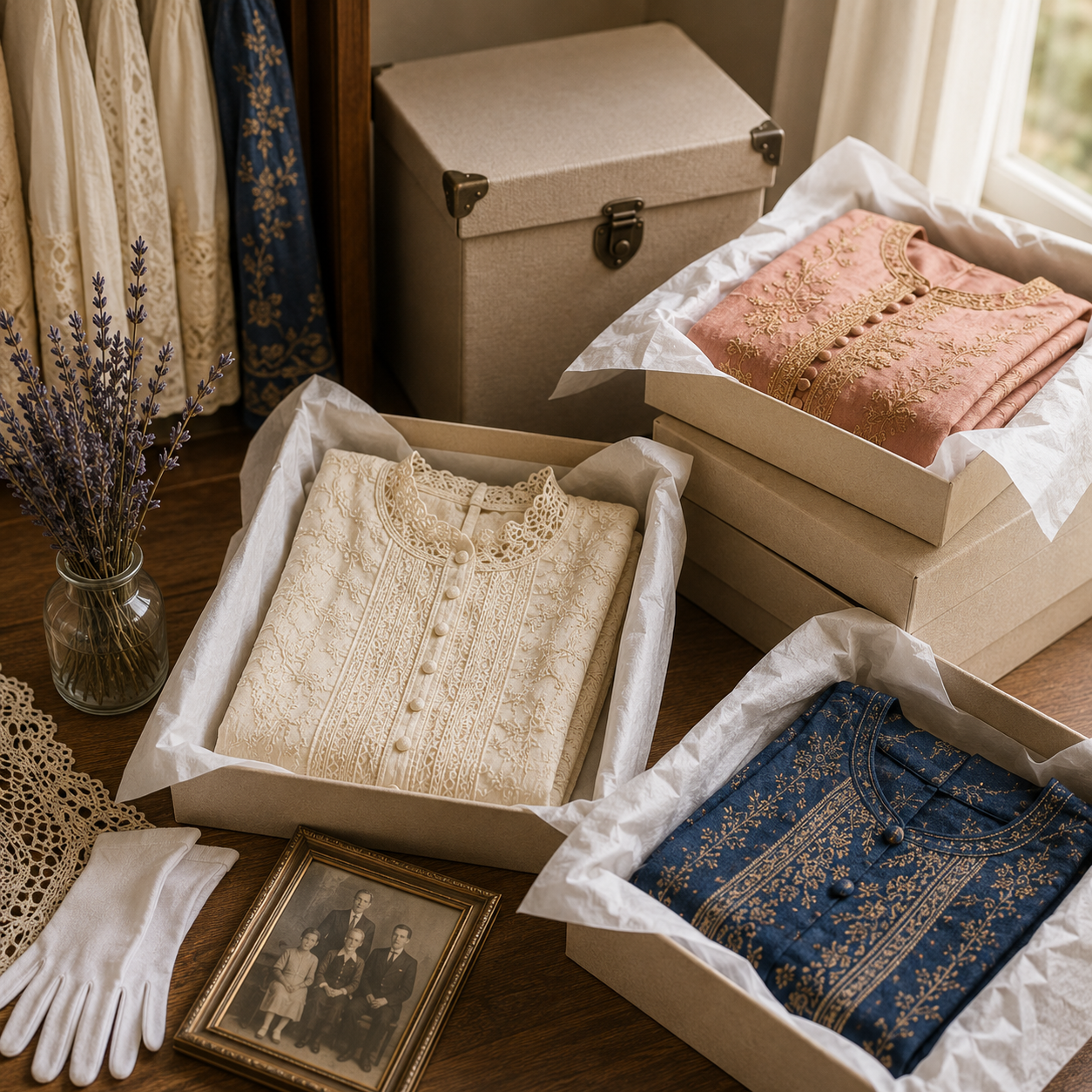
- Store with breathable covers
Autumn Care (Transition & Storage Prep)
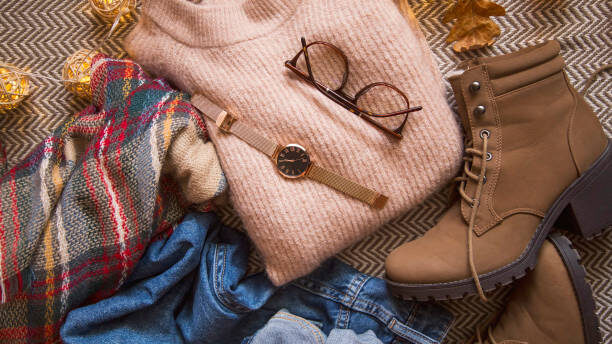
Wool
- Avoid washing after every wear
- Air garments to release odors naturally
- Store clean to prevent moth damage
Velvet
- Avoid pressing or folding tightly
- Keep away from moisture
- Brush lightly to maintain pile direction
Winter Care (Cold, Heavy Fabrics & Storage)
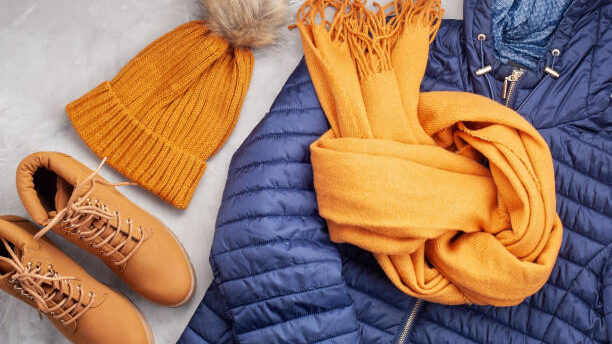
Wool & Cashmere
- Avoid water washing, causes shrinkage and roughness
- Fold instead of hanging to prevent stretching
- Store with natural repellents like cedar
Leather & Suede
- Never wash with water
- Keep away from heaters and radiators
- Use breathable garment bags
Dark-Coloured Fabrics
- Reduce washing frequency
- Avoid harsh detergents that fade color
- Store away from direct light
Prevention is always better than fixing damages later.
Conclusion– Different Types of Fabric and How to Care for Them
Caring for your clothes is less about effort and more about understanding what each fabric truly needs. When you know the types of fabric and how to care for them, you can avoid common fabric care mistakes like fading, shrinking, and permanent damage that shorten the life of your wardrobe.
Premium dry-cleaning services like VANZOO offer a convenient way to protect your clothes while saving time and ensuring they receive the expert care they need to last longer.