- Introduction
- Why Designer Clothes Need Special Care Tools
- Essential Tools for Taking Care of Designer Clothes at Home
- Essential Stain Removal Tools for Delicate Designer Fabrics
- Advanced Garment Care Tools for Long-Term Designer Clothing Maintenance
- Tools You Should Avoid Using on Designer Clothes
- Step-by-Step Routine: How to Take Care of Designer Clothes at Home
- When to Choose Professional Cleaning like for Designer Clothes
- Frequently Asked Questions
- Key Takeaways: Must-Haves for Taking Care of Your Designer Clothes
Introduction
Spending ₹15,000 on a designer kurta or ₹50,000 on a luxury saree is just the first step—keeping these precious pieces looking brand new for years is where the real work begins. Unlike your everyday cotton shirts from Fabindia or Westside, designer clothes are made from delicate fabrics and intricate craftsmanship that need special attention.
One wrong wash can shrink your expensive cashmere shawl. Wrong storage can invite moths to feast on your silk sarees. This guide will walk you through the essential must-haves for taking care of your designer clothes, using simple tools you can find in India and practical tips that actually work.
Investing in the right must-haves for taking care of your designer clothes ensures your premium outfits stay elegant, structured, and vibrant for years.
Why Designer Clothes Need Special Care Tools
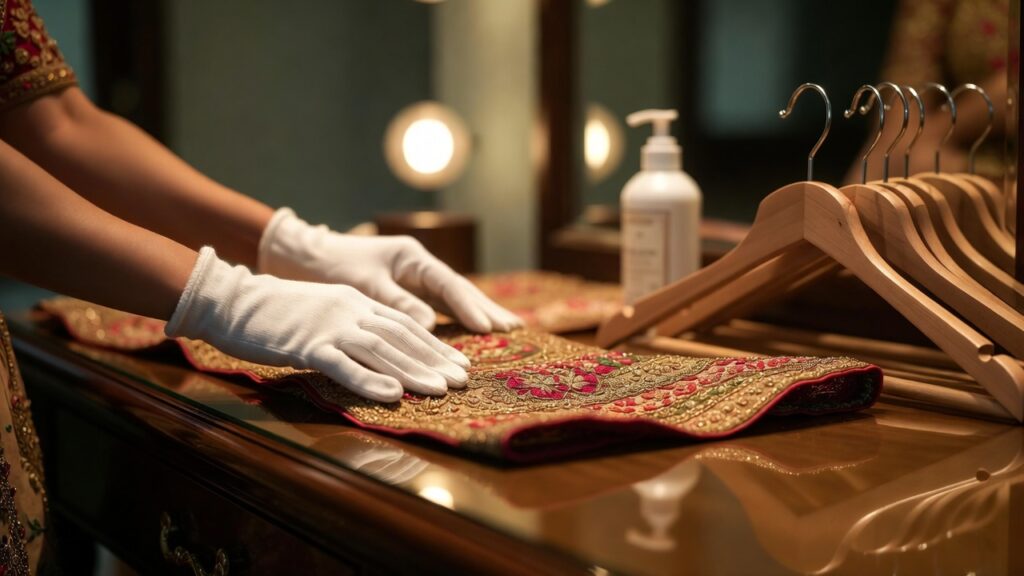
Designer clothes aren’t just expensive—they’re made completely differently from regular clothes. That Sabyasachi lehenga or Manish Malhotra anarkali uses premium fabrics like pure silk, handwoven cotton, or fine wool that can’t handle rough treatment.
Here’s what makes designer pieces different:
- Premium fabrics: Silk, chiffon, organza, pashmina, and handloom fabrics are more delicate than polyester or regular cotton
- Hand embroidery and embellishments: Zardozi work, sequins, mirror work, and beading can get damaged in regular washing machines
- Traditional weaves: Banarasi silk, Kanjeevaram, Chanderi, and Patola sarees need gentle care to preserve their unique textures
- Long-term value: Proper maintenance keeps your investment pieces wearable for decades, even as heirlooms
Let me tell you what happened to my friend Priya. She bought a beautiful ₹35,000 raw silk kurta set from Good Earth. After just one wash in her regular washing machine with Surf Excel, the fabric lost its texture, colors faded, and the delicate gota work came loose. Had she used the right tools—a mild detergent and proper hand-washing technique—this heartbreak could have been avoided.
The good news? You don’t need expensive equipment. Most essential tools for taking care of your designer clothes are affordable and easily available in India, even on Amazon or your local home stores. Understanding the must-haves for taking care of your designer clothes helps protect delicate fabrics, embroidery, and handcrafted details.
Essential Tools for Taking Care of Designer Clothes at Home
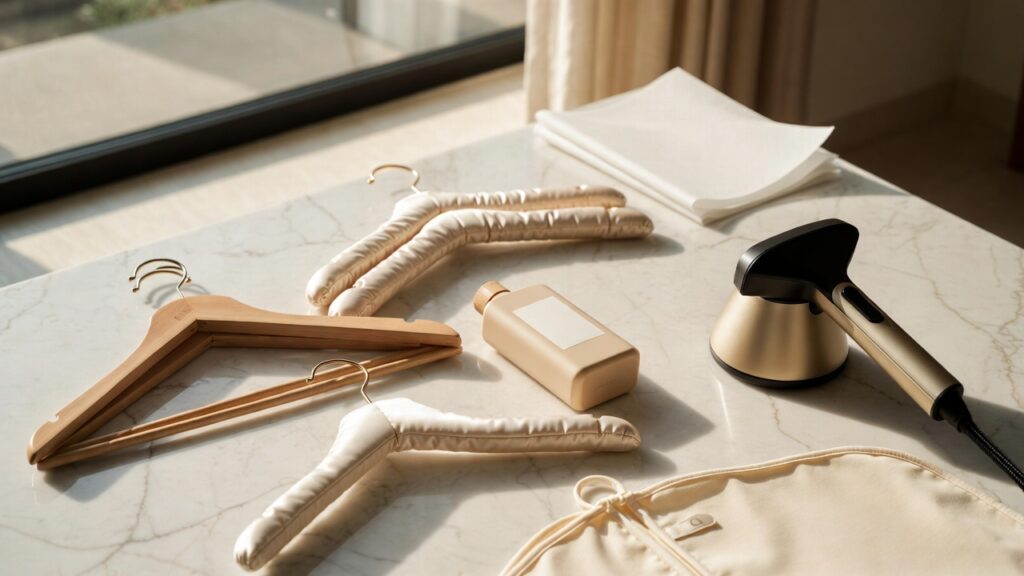
You can protect your designer wardrobe with just seven basic tools. These aren’t fancy or difficult to find—just smarter choices than what you’re probably using now. From proper hangers to mild detergents, these simple must-haves for taking care of your designer clothes can prevent expensive damage.
1. Best Hangers for Designer Clothes to Prevent Stretching
https://share.google/oJOqlZRboq8bTuHZR
Those thin wire hangers from the dry cleaner? They’re ruining your expensive clothes. They create those annoying shoulder bumps on your kurtis, stretch out your silk dupattas, and can’t support heavy lehengas or sherwanis properly.
What you need for different Indian garments:
- Broad wooden hangers: Perfect for heavy jackets, sherwani coats, and structured blazers—they maintain shoulder shape without stretching
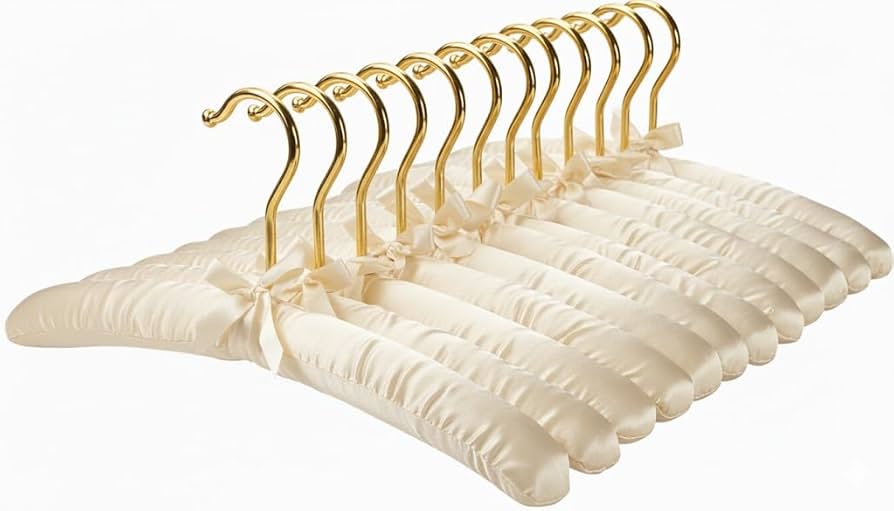
- Padded hangers: Ideal for delicate silk kurtas, chiffon dupattas, and designer blouses—the soft padding prevents creasing
- Clip hangers: Best for saree falls, palazzo pants, and designer skirts—wide clips distribute weight evenly without leaving marks
| Hanger Type | Best For Indian Clothes | Price Range (India) | Where to Buy |
| Wooden Broad Hangers | Sherwanis, blazers, heavy kurtas | ₹100-₹300 each | Amazon, Daiso |
| Padded Satin Hangers | Silk kurtas, anarkalis, dupattas | ₹50-₹150 each | Hometown, Amazon |
| Velvet Hangers | Lightweight suits, tunics | ₹30-₹80 each | Local stores, Flipkart |
| Saree Hangers with Clips | Sarees, lehengas, pallus | ₹80-₹200 each | Amazon, saree stores |
Real example from my sister’s wardrobe: Neha stored her ₹25,000 Ritu Kumar velvet jacket on a thin wire hanger for one monsoon season. By Diwali, permanent bumps had formed on the shoulders. After switching to broad wooden hangers for her other designer pieces, they’ve stayed perfect for three years. The secret to long-lasting luxury wear lies in choosing the right must-haves for taking care of your designer clothes and using them consistently.
2. Why You Should Use Breathable Garment Bags Instead of Plastic Covers
https://share.google/RbMKOlhpR5JFhDE19
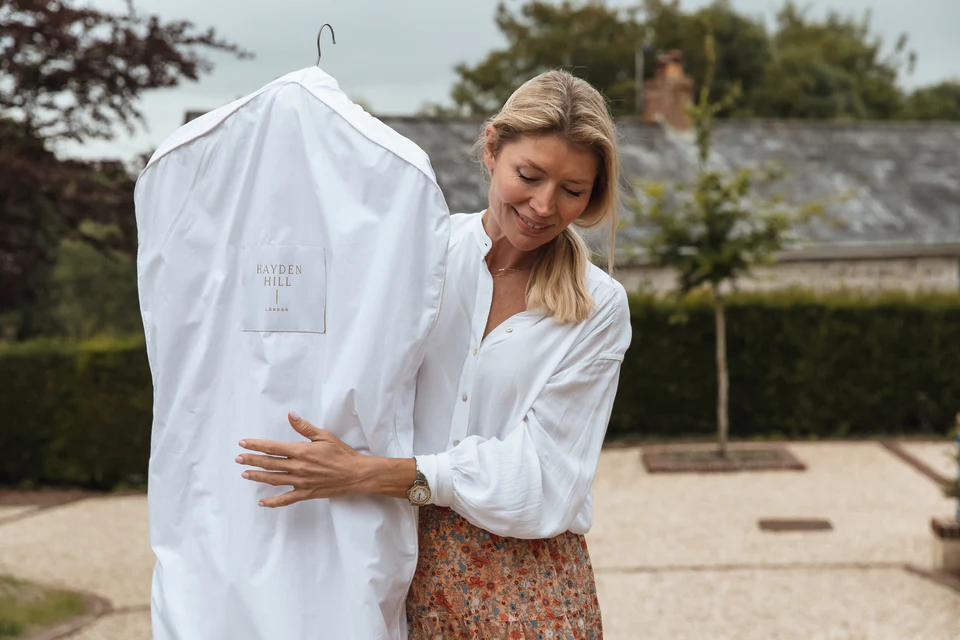
After dry cleaning, they give you those plastic covers, right? Don’t use them for storage! Plastic traps moisture—especially during Mumbai’s humidity or Delhi’s monsoons—creating the perfect environment for fungus, yellowing, and that musty smell.
Why cotton garment bags work better:
- Air circulation: Cotton or khadi fabric lets clothes breathe while keeping dust away
- Prevents yellowing: No plastic means no chemical reactions that turn white fabrics yellow
- Monsoon protection: Breathable bags prevent moisture buildup that causes mildew spots on silk and cotton
This is especially important for storing wedding outfits, festival wear, or seasonal clothes. A Benarasi saree in plastic for six months during monsoon can develop permanent yellow patches. The same saree in a cotton bag stays fresh and ready to wear.
Pro tip: You can even use old cotton bedsheets to make simple garment bags at home. Just fold and stitch them—it’s budget-friendly and works perfectly!
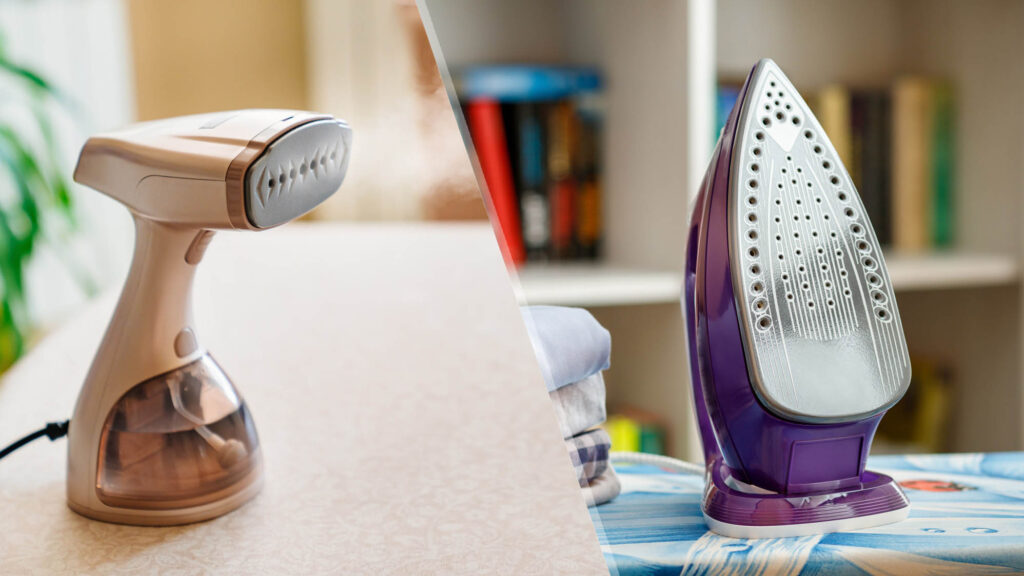
3. Is a Garment Steamer Better Than Iron for Delicate Designer Fabrics?
https://share.google/D6xFkfSEMbuVSzWcd
Your mother probably taught you to iron everything, but for designer clothes, a steamer is often safer and easier. The question isn’t which is better—it’s about knowing when to use each one.
When to use a steamer (safer for most designer clothes):
- Silk sarees and kurtas (no risk of burning or leaving iron marks)
- Georgette, chiffon, and organza (prevents crushing delicate fabrics)
- Embroidered or embellished outfits (avoids crushing sequins and zari work)
- Quick touch-ups before wearing (faster than setting up an ironing board)
When you still need an iron:
- Cotton kurtas and shirts that need crisp finish
- Linen sarees or pants requiring sharp pleats
- Heavy fabrics where steam alone won’t remove deep wrinkles
| Feature | Garment Steamer | Traditional Iron |
| Safe for silk & chiffon | ✅ Yes – no direct contact | ❌ Can burn or scorch |
| Good for embroidery | ✅ Won’t crush work | ❌ Can damage embellishments |
| Speed | Fast, no board needed | Slower setup time |
| Best for sarees | ✅ Perfect for delicate drapes | ⚠️ Use carefully on borders |
| Price in India | ₹1,500-₹4,000 | ₹800-₹2,500 |
What happened with Anita’s wedding trousseau: She had five gorgeous silk sarees worth ₹40,000 each. While ironing one, she left the iron too long on the pallu—it left a shiny burn mark that couldn’t be fixed. After buying a ₹2,500 Philips steamer, she’s been safely maintaining all her silk and georgette sarees without any damage.
4. How to Remove Lint and Pilling from Wool and Cashmere Safely
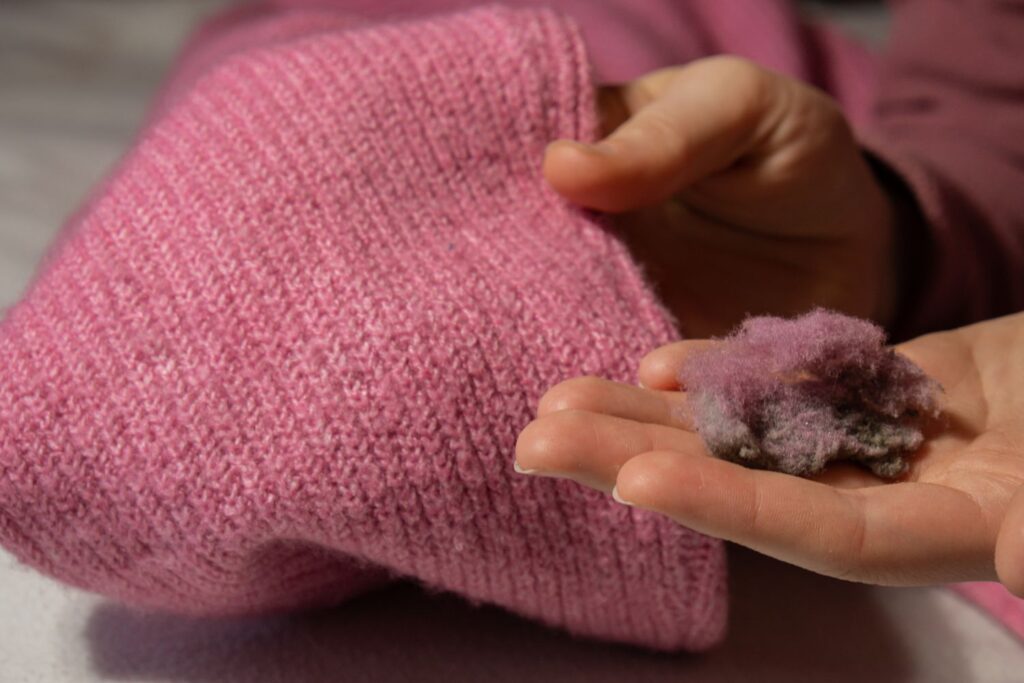
Even expensive pashmina shawls and cashmere sweaters develop those tiny fabric balls (pilling) after wearing them a few times. Don’t worry—it’s normal! But you need the right tool to remove them without damaging the fabric.
What you need:
- Fabric shaver/lint remover: Electric device that gently shaves off pills without pulling fibers
- Not a razor blade: Using regular razors can cut into the fabric and make it worse
- Not sticky rollers: These pull at delicate fibers and can damage them
A good fabric shaver costs just ₹300-₹800 on Amazon and works on all your woolens—shawls, sweaters, cardigans, even your wool blankets.
Real story: Kavita’s mother gifted her a ₹15,000 Kashmiri pashmina shawl. After a few wears, it developed pilling under the arms. Instead of accepting it as damage, she bought a ₹500 fabric shaver from Amazon. In 10 minutes, the shawl looked brand new again. She’s been using the same tool for three years on all her woolens.
How to use it safely:
- Lay the garment flat on a table
- Gently move the shaver in circular motions
- Don’t press too hard—let the device do the work
- Empty the lint collector frequently
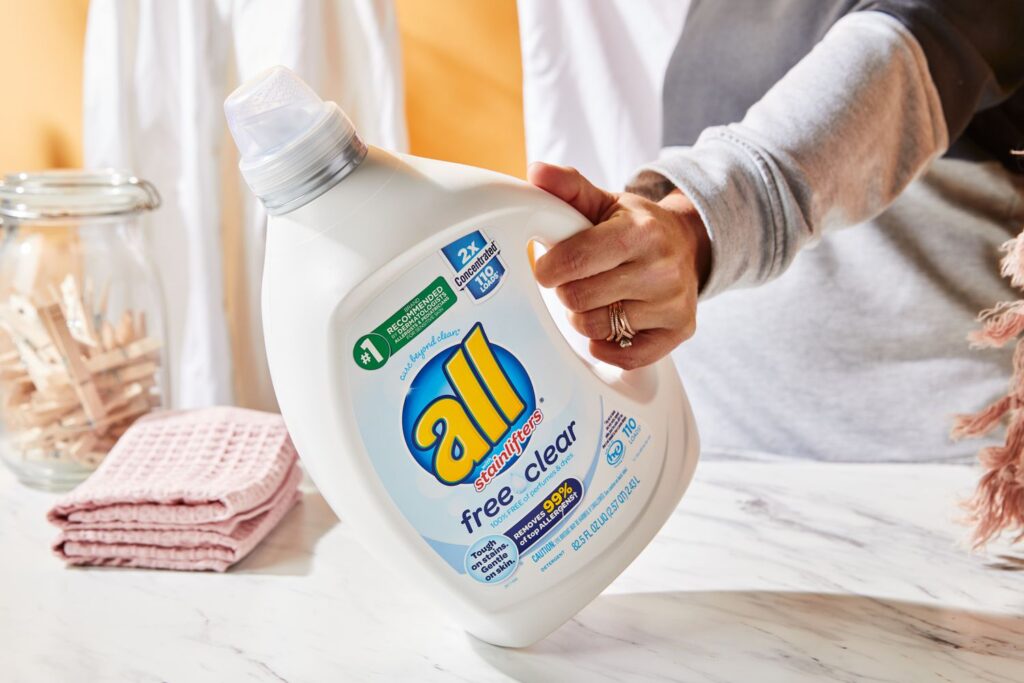
5. Best Mild Detergents for Washing Designer Clothes
https://share.google/omqMolJj5bblZUgCV
Regular detergents like Surf Excel, Ariel, or Tide are too harsh for designer fabrics. They contain strong chemicals that fade colors, weaken silk fibers, and can damage hand embroidery. For your expensive clothes, you need gentler options. When you rely on the right must-haves for taking care of your designer clothes, you reduce the risk of fading, stretching, and fabric weakening.
What to look for in designer-friendly detergents:
- pH-neutral or mild formula: Protects delicate fibers without stripping natural oils
- No harsh bleach or enzymes: Prevents color fading and fabric weakening
- Suitable for hand-washing: Most designer Indian clothes should be hand-washed, not machine-washed
| Detergent Type | Best For Indian Clothes | Where to Buy | Price Range |
| Ezee Liquid Detergent | Woolens, silk, delicates | Any grocery store | ₹150-₹250/bottle |
| Genteel Liquid Wash | Silk sarees, designer kurtas | Supermarkets, Amazon | ₹180-₹300/bottle |
| Woolite | Pashmina, cashmere, wool | Amazon, Big Bazaar | ₹250-₹400/bottle |
| Baby Shampoo (DIY) | Emergency silk/wool wash | Pharmacy | ₹100-₹200/bottle |
Practical tip from experience: My aunt washes all her Kanjeevaram silk sarees with Ezee liquid detergent. She’s been doing this for 20 years, and her sarees still look vibrant. Meanwhile, her neighbor used regular powder detergent on a similar saree—the gold zari turned dull and the silk became rough after just a few washes.
Important washing rules:
- Always hand-wash designer pieces in cold water
- Never wring or twist wet clothes—gently squeeze water out
- Dry in shade, never in direct sunlight
- For heavy embroidery, consider spot-cleaning instead of full wash
Essential Stain Removal Tools for Delicate Designer Fabrics
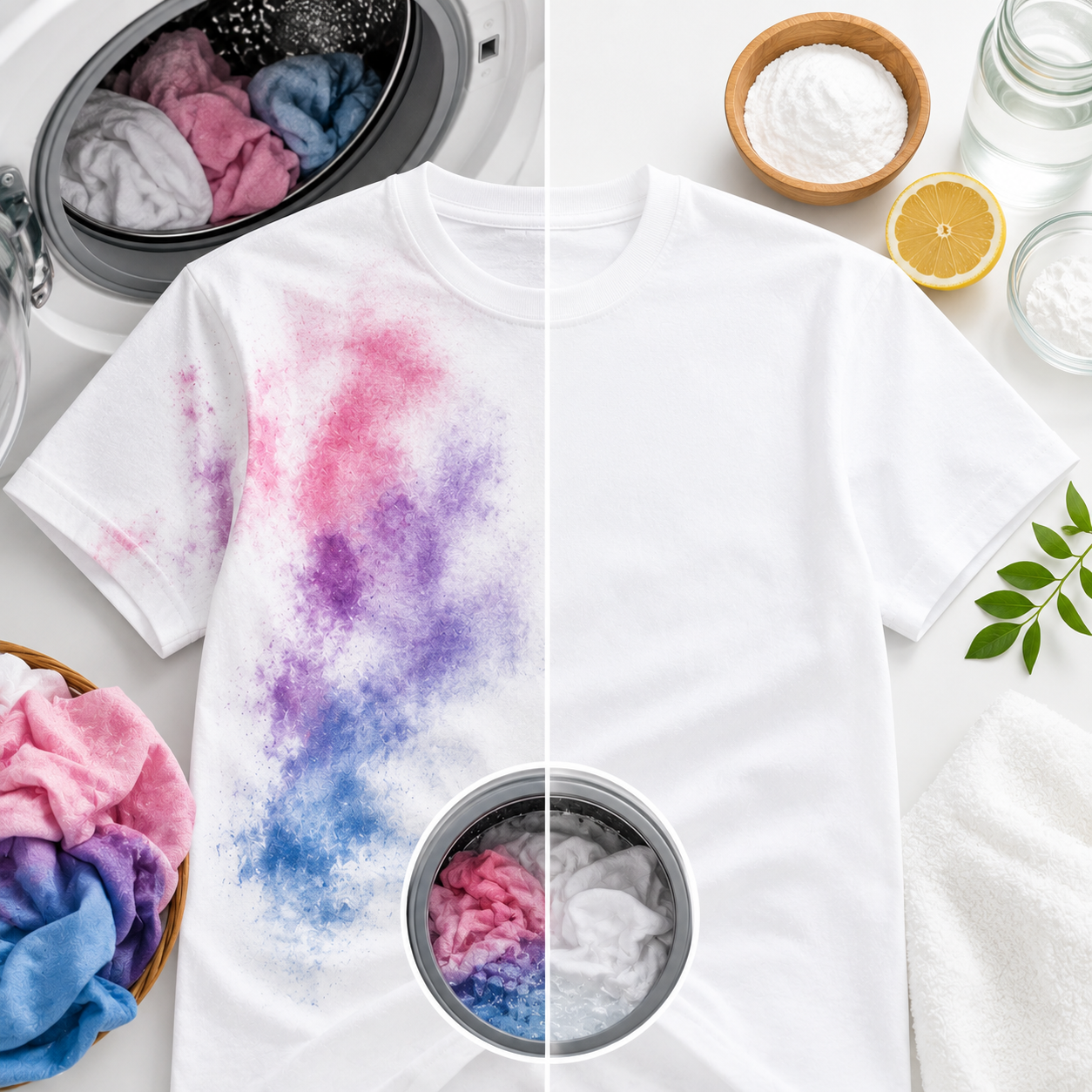
Accidents happen. Oil from samosa at a wedding, curry stains during Diwali party, mehendi marks on your expensive suit. But quick action with the right tools can save your designer clothes from permanent damage.
Your emergency stain kit should have:
- Clean white cotton cloth: For blotting (old white handkerchiefs work great)
- Mild stain remover: Vanish for Delicates or diluted Genteel works well
- Talcum powder: Absorbs fresh oil stains immediately
- Soft toothbrush: For gently working on stubborn spots
The golden rule for removing stains from silk or designer fabrics: Always blot, never rub. Rubbing pushes the stain deeper and can damage the fabric weave.
Emergency stain removal guide:
| Stain Type | Immediate Action | What to Use |
| Oil/Ghee | Cover with talcum powder, let it absorb | Baby powder or talc |
| Curry/Turmeric | Rinse with cold water immediately | Lemon juice + mild detergent |
| Mehendi/Henna | Don’t let it dry, wash immediately | Cold water + Genteel |
| Wine/Juice | Blot with white cloth, cold water | Salt + cold water |
Real incident: During a wedding, my friend Ritika spilled wine on her cream Anita Dongre silk kurta worth ₹18,000. She immediately dabbed (didn’t rub!) with a napkin, then at home gently cleaned it with diluted Genteel within 30 minutes. The stain came out completely. Another guest waited until the next day to clean a similar stain—it became permanent despite professional dry cleaning.
Moisture Absorbers and Dehumidifiers for Luxury Wardrobe Storage
In Indian climate, especially during monsoons, humidity is your designer clothes’ biggest enemy. Excess moisture causes fungus growth, bad smell, fabric yellowing, and those white spots on silk sarees. This is serious in Mumbai, Kolkata, Kerala, and other humid areas.
How to control wardrobe moisture:
- Silica gel packets: Those small packets you get with shoes—save them! Put them in your wardrobe
- Neem leaves or camphor: Natural moisture absorbers that also prevent insects
- Electric dehumidifier: For large wardrobes or dedicated dressing rooms
- Moisture absorber boxes: Available at Daiso, Home Centre for ₹200-₹500
| Moisture Control Option | Best For | Price in India | Effectiveness |
| Silica Gel Packets | Small spaces, garment bags | ₹50-₹150/pack | Good for 2-3 months |
| Camphor/Neem | Traditional wardrobes | ₹20-₹50 | Repels insects too |
| Moisture Absorber Boxes | Medium wardrobes | ₹200-₹500 each | Lasts 2-4 months |
| Electric Dehumidifier | Large walk-in closets | ₹3,000-₹8,000 | Best long-term solution |
Monsoon horror story: My neighbor in Mumbai stored her Banarasi sarees and designer salwar suits in her bedroom almirah during monsoon without any moisture control. By October, several pieces had developed white fungus spots, and the silk had started deteriorating. The damage was worth over ₹1 lakh! A simple ₹300 moisture absorber would have prevented all this.
Pro tips for monsoon storage:
- Never store damp or freshly ironed clothes immediately
- Open wardrobes on sunny days to air out
- Keep clothes slightly loose, not packed tightly
- Change silica gel packets every 2-3 months
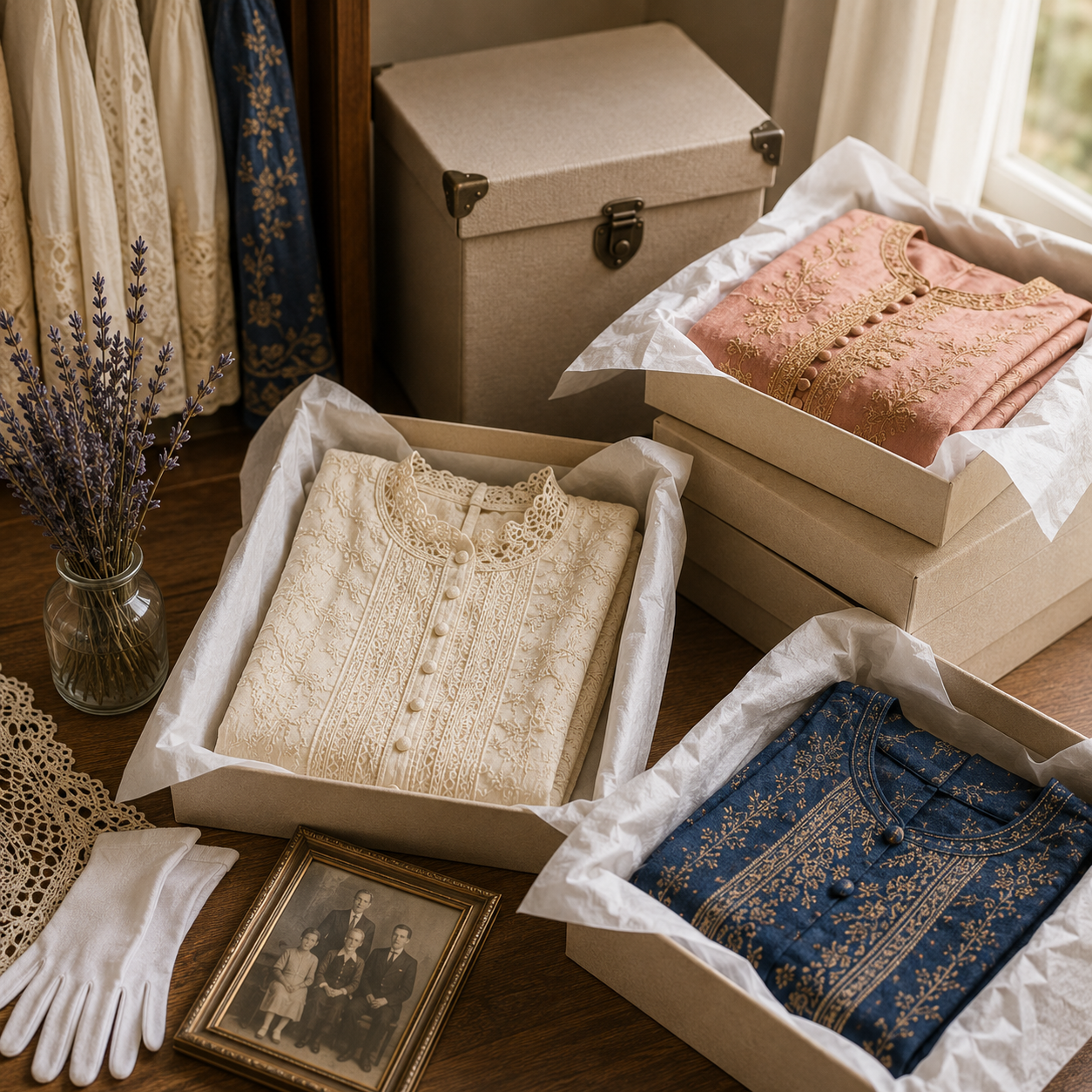
Why Acid-Free Tissue Paper Is Important for Storing Silk and Vintage Clothing
When you fold silk sarees, lehengas, or vintage pieces for storage, regular newspaper or tissue paper can actually damage them over time. Normal paper contains acids that react with delicate fabrics, causing yellow stains and weakening fibers.
Benefits of acid-free tissue paper:
- Prevents yellowing: No chemical reaction with white or light-colored silks
- Protects fabric integrity: Maintains the strength of delicate weaves
- Creates cushioning: Helps prevent harsh creases when folding expensive sarees
This is especially important for your wedding saree, mother’s vintage Kanjeevaram, or that special Benarasi you’re saving for your daughter. Using regular newspaper can cause permanent brown marks where the paper touches the fabric.
Where to buy in India:
- Craft stores and scrapbooking shops (₹100-₹300 for a pack)
- Amazon or Flipkart (search “acid-free tissue paper”)
- Professional saree storage boxes come with them included
My mother’s wisdom: She’s been storing our family’s Patola and Kanjeevaram sarees for 30 years using acid-free tissue paper between folds. Every piece is still perfect, no yellow marks, no weak spots. Her friend who used newspaper for the same purpose had several sarees develop brown stains that couldn’t be removed.
How to use it properly:
- Place tissue between each fold of the saree
- Stuff sleeves and blouse pieces with tissue to maintain shape
- Wrap entire outfit in tissue before placing in cotton bag
- Replace tissue paper every year or two
Every wardrobe with premium pieces should include these essential must-haves for taking care of your designer clothes.
Advanced Garment Care Tools for Long-Term Designer Clothing Maintenance
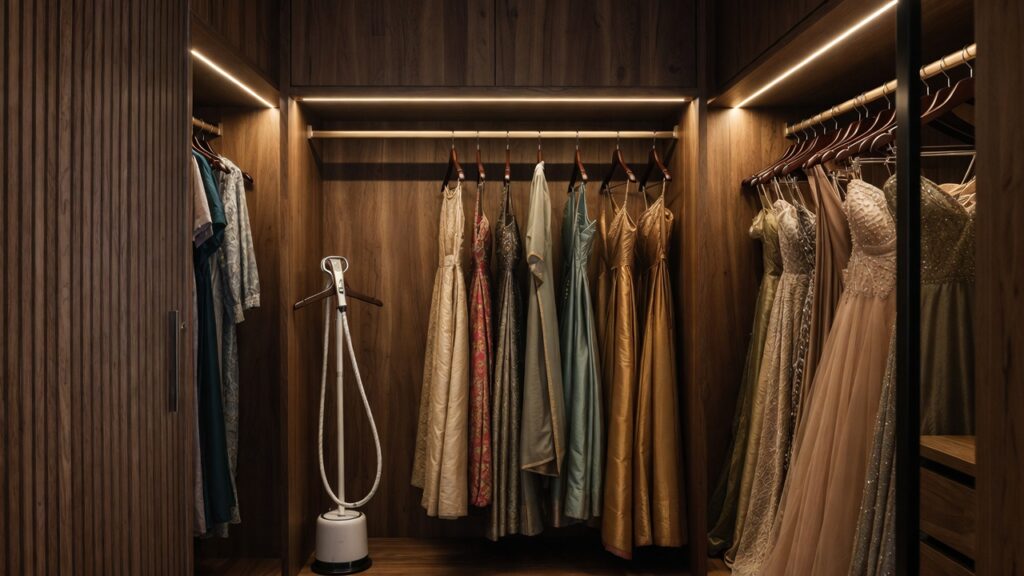
If you have an extensive designer wardrobe—maybe you’re a bride with a full trousseau, or a fashion enthusiast with multiple expensive pieces—these professional-level tools are worth considering.
Investment-level equipment for serious collectors:
- Professional-grade steamer: Hospital or salon-quality steamers with precise temperature control (₹5,000-₹15,000)
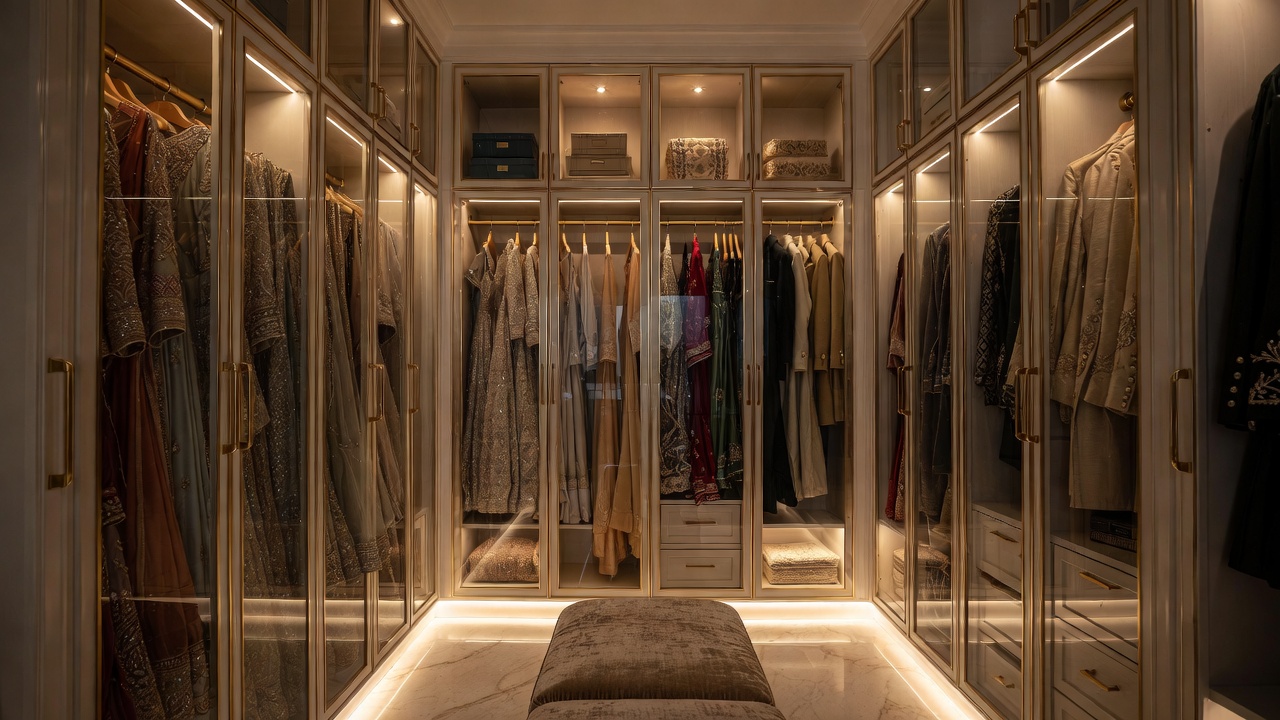
- Cedar wardrobe: Natural wood wardrobes that repel insects and control moisture (₹25,000-₹1,00,000)
- Custom closet organization: Built-in systems with proper spacing and lighting (₹50,000-₹3,00,000)
- UV-protective storage: Glass-front wardrobes with UV-filtering to prevent color fading (₹40,000+)
These represent bigger investments, but they make sense when you’re protecting a wardrobe worth several lakhs. Think of it as insurance for your designer collection.
Case study: Meera from Delhi has over 30 designer outfits worth ₹5-10 lakhs each—pieces from Tarun Tahiliani, Abu Jani Sandeep Khosla, and international designers. She invested ₹80,000 in a climate-controlled cedar wardrobe with LED lighting and proper organization. Over seven years, this prevented an estimated ₹3-4 lakh in damage from moths, humidity, and improper storage. Plus, her clothes are always in perfect condition for wearing or resale.
Tools You Should Avoid Using on Designer Clothes
Knowing what not to use is just as important as having the right tools. These common items can ruin your expensive clothes permanently:
Never use these on designer pieces:
- Wire hangers: Create shoulder bumps, rust stains during monsoon, stretch out fabric
- Plastic dry-cleaning covers: Trap moisture and cause yellowing and fungus
- Regular detergent powders: Harsh chemicals fade colors and weaken silk fibers
- Newspaper for storage: Acid in newsprint causes brown stains on silk
- Direct sunlight for drying: Fades colors and weakens fabric, especially silk and wool
- Naphthalene balls: Too harsh, can leave yellow marks and strong chemical smell
- Hot iron on silk: Burns fabric, leaves shiny marks that can’t be fixed
Costly mistake example: Deepika used naphthalene balls in her wardrobe to prevent moths. After six months, several of her expensive silk outfits had developed yellow patches where they touched the balls. She also couldn’t wear them because of the strong chemical smell. Natural alternatives like neem leaves or cedar blocks would have been safer and just as effective.
How Much Should You Spend on Designer Clothing Care Tools?
Good news—taking care of designer clothes doesn’t require spending a fortune. You can build a complete care kit with a budget as low as ₹3,000-₹5,000.
Budget breakdown for essential tools:
| Tool Category | Budget Option | Premium Option |
| Hangers (set of 10) | ₹500-₹1,000 | ₹2,000-₹4,000 |
| Garment Steamer | ₹1,500-₹2,500 | ₹4,000-₹8,000 |
| Fabric Shaver | ₹300-₹600 | ₹1,000-₹2,000 |
| Mild Detergent (yearly) | ₹800-₹1,200 | ₹2,000-₹3,500 |
| Garment Bags (5 pieces) | ₹500-₹1,000 | ₹2,000-₹3,000 |
| Moisture Absorbers (yearly) | ₹500-₹800 | ₹1,500-₹3,000 |
| Acid-Free Tissue | ₹200-₹400 | ₹600-₹1,000 |
| Total Initial Investment | ₹4,300-₹7,500 | ₹13,100-₹24,500 |
Smart shopping tip: Start with budget options from local stores or Amazon. As your designer wardrobe grows, upgrade to premium tools. Even budget-friendly tools are infinitely better than using regular hangers and detergent.
Think about it this way: spending ₹5,000 on proper care tools can protect a wardrobe worth ₹2-3 lakhs. That’s less than 2% of your investment to ensure your clothes last 10-20 years instead of getting ruined in 2-3 years.
Real calculation from my own wardrobe: I spent ₹6,500 on basic care tools three years ago—good hangers, a steamer, Ezee detergent, and garment bags. These tools have protected designer pieces worth about ₹2.5 lakhs. Without proper care, I would have easily damaged at least 20-30% of my collection, meaning ₹50,000-₹75,000 in losses. Best investment ever!
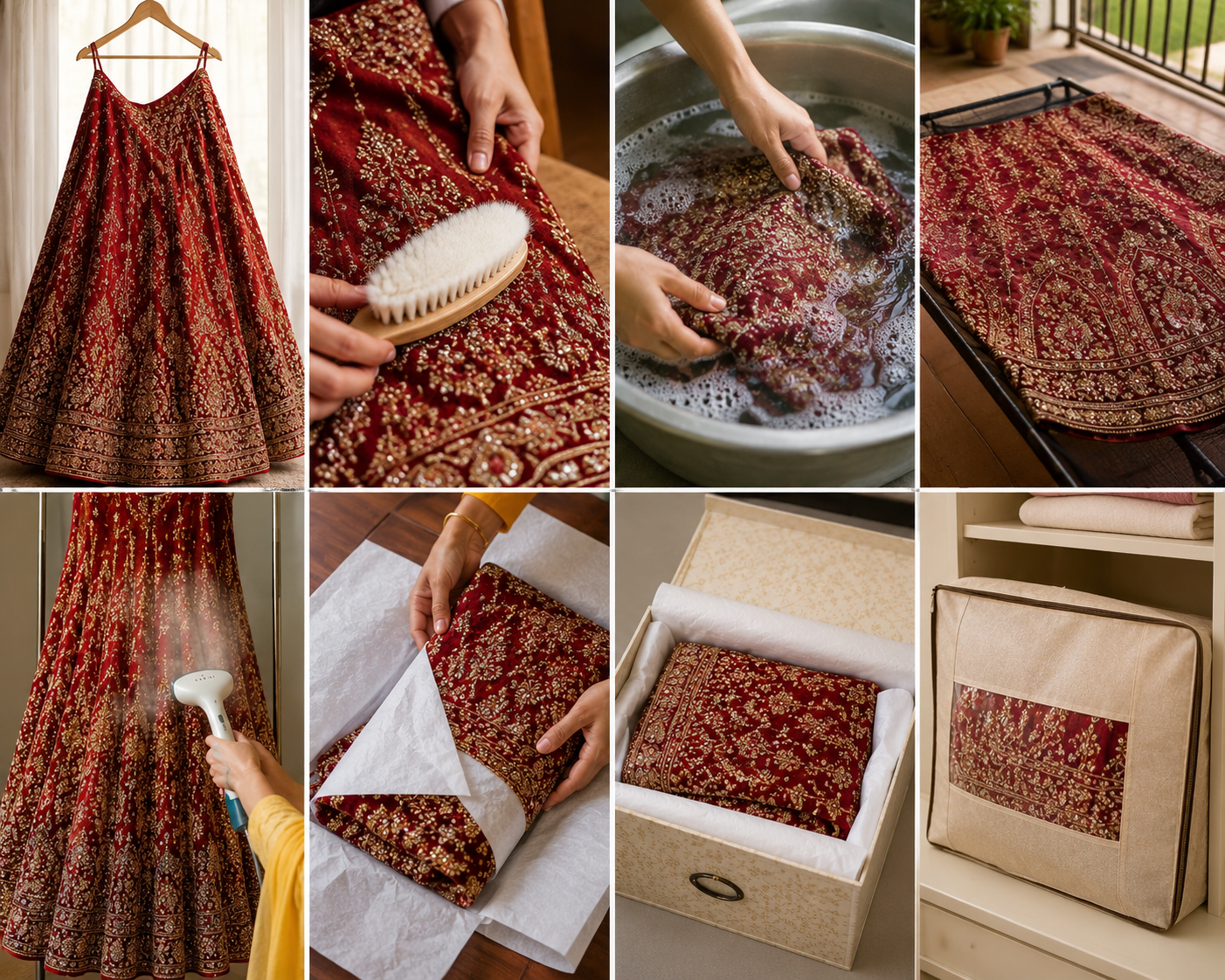
Step-by-Step Routine: How to Take Care of Designer Clothes at Home
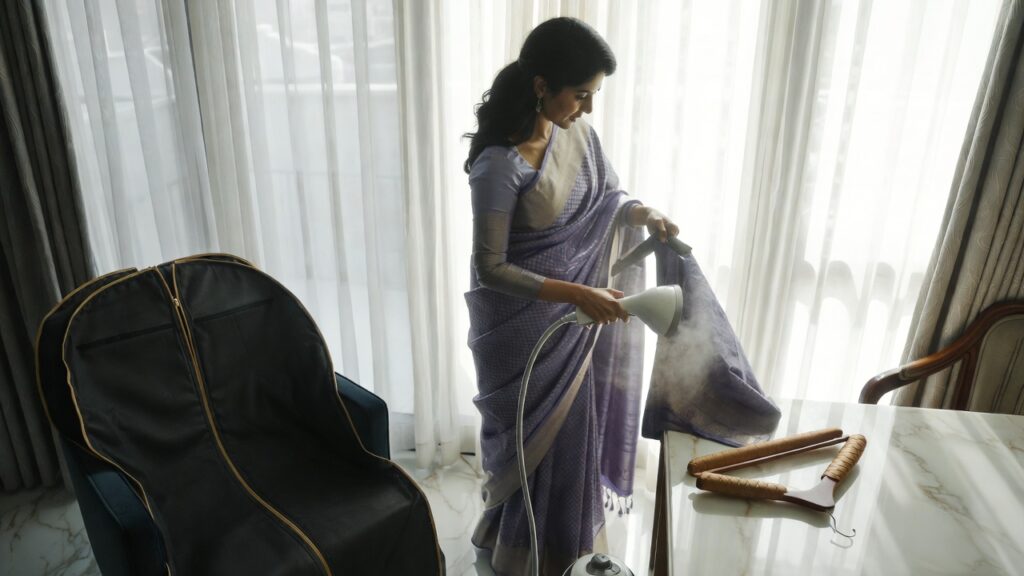
Having the right tools is only half the battle—you need a simple routine that becomes a habit. Here’s a practical daily and seasonal care routine for designer clothing maintenance.
After every wear (5-10 minutes):
- Air out the garment: Hang on a proper hanger near a window (not in direct sunlight) for 2-3 hours
- Check for stains: Look for any marks and treat immediately if found
- Brush off dust: Use a soft clothes brush for woolens and heavy fabrics
- Steam if needed: Quick steam to remove wrinkles and freshen up
- Store properly: Put back in breathable garment bag if not wearing soon
Weekly routine (15-20 minutes):
- Check all hanging clothes for any issues—moths, moisture, loose threads
- Rotate clothes so the same pieces aren’t always in the same spot
- Refold sarees to prevent permanent creases at the same points
- Check moisture absorbers and replace if saturated
Monthly deep care (1-2 hours):
- Inspect all designer pieces carefully for any damage
- Hand-wash items that were worn (following care labels)
- Air out all garment bags and wardrobes on a sunny day
- Check for and remove any pilling from woolens
- Organize by season and protect off-season clothes properly
Seasonal storage (before monsoon/winter):
- Clean everything before storing (even if it looks clean)
- Use acid-free tissue for folding delicate pieces
- Place in breathable cotton bags
- Add fresh moisture absorbers and neem leaves
- Store in a cool, dry place away from direct sunlight
Time-tested routine from a bride’s trousseau: Shalini received 25 designer outfits as wedding gifts, worth over ₹5 lakhs. She follows this exact routine religiously. Five years later, every piece is still in mint condition. Her sister-in-law, who didn’t bother with proper care, had several expensive outfits damaged within two years from neglect. Choosing quality storage and cleaning tools is one of the smartest must-haves for taking care of your designer clothes in the long term.
When to Choose Professional Cleaning like Vanzoo for Designer Clothes
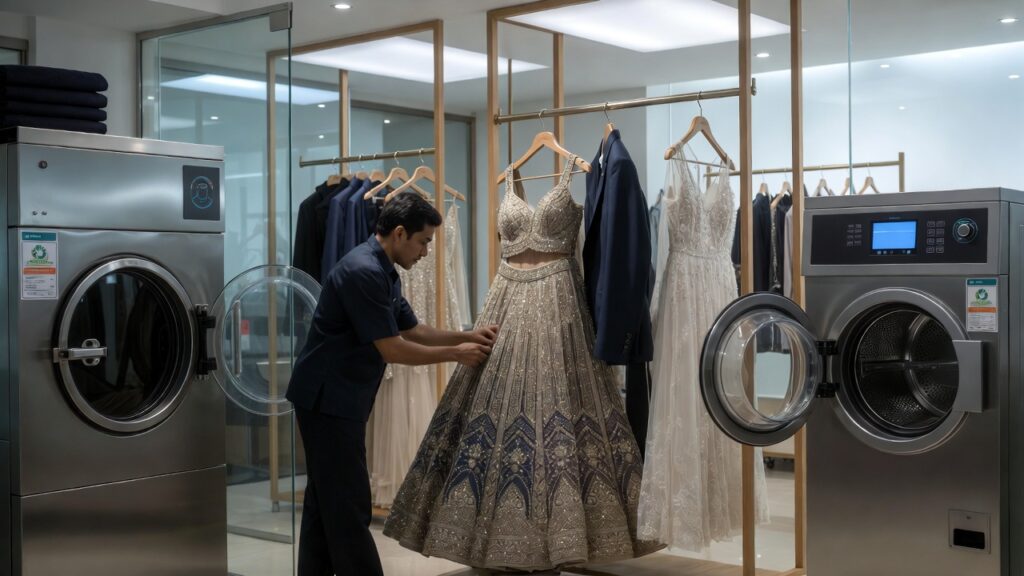
Even with all the right tools at home, some designer pieces need professional attention. Knowing when to take clothes to experts can save you from expensive mistakes.
When professional cleaning is necessary:
- Heavy embellishment: Zardozi, mirror work, heavy zari that could get damaged at home
- Structured garments: Sherwanis, blazers, jackets with padding or interfacing
- Stubborn stains: Oil or curry stains that don’t come out with home methods
- Expensive investment pieces: Sarees worth ₹50,000+, designer lehengas, bridal wear
- Delicate vintage items: Heirloom pieces you can’t risk damaging
- When care label says “dry clean only”: Always follow manufacturer instructions
What to look for in professional cleaners:
- Specialization in delicate fabrics and Indian garments
- Use of non-toxic, fabric-safe cleaning methods
- Experience with embroidery and embellishments
- Good reviews specifically for designer clothes
- Proper storage and handling procedures
Premium services like VANZOO specialize in non-toxic, fiber-safe cleaning for structured and delicate garments. They understand the unique requirements of designer Indian wear—from preserving hand embroidery to protecting delicate silk weaves. For your most precious pieces, professional expertise is worth the investment.
Cost vs. risk analysis:
Professional dry cleaning for a designer saree: ₹500-₹1,500 Cost of a damaged ₹40,000 saree from wrong home cleaning: ₹40,000 The math is simple.
When Preeti learned this the hard way: She tried hand-washing her ₹65,000 Sabyasachi lehenga at home because she wanted to save the ₹1,200 dry-cleaning cost. The heavy embroidery got tangled, sequins came loose, and the fabric puckered. Repair cost: ₹8,000, and it never looked the same. Now she uses professional cleaning for all her investment pieces.
Smart approach: Handle everyday designer kurtas and simple silk sarees at home with proper tools and techniques. Save professional cleaning for the really expensive, heavily embellished, or structurally complex pieces.
Frequently Asked Questions
Q: How often should I wash my designer clothes? Designer clothes don’t need washing after every wear. Air them out and steam instead. Wash silk kurtas after 3-4 wears, wool items after 5-6 wears, and structured pieces like blazers only when visibly soiled. Over-washing reduces fabric life and fades colors.
Q: Can I use a washing machine for designer clothes on gentle cycle? For most designer Indian clothes—silk, embroidered, or heavily embellished—hand-washing is safest. If you must use a machine, use only for simple cotton or linen pieces, always on delicate cycle with cold water, and place in a mesh laundry bag.
Q: What’s the best way to store silk sarees long-term? Fold silk sarees using acid-free tissue paper between layers, store in breathable cotton bags, and keep in a cool, dry place. Refold along different lines every 3-4 months to prevent permanent creases. Add moisture absorbers during monsoon season.
Q: How do I remove yellow stains from white designer clothes? Yellow stains often come from improper storage or plastic covering. Try soaking in cold water with mild Ezee detergent for 30 minutes, then gently hand-wash. For stubborn yellowing, professional cleaning is recommended to avoid damaging delicate fabrics.
Q: Are velvet hangers better than wooden hangers for designer clothes? Both work well for different purposes. Velvet hangers are great for lightweight silks and tunics (non-slip, space-efficient), while broad wooden hangers are better for heavy structured pieces like sherwanis and coats. Choose based on garment weight and fabric.
Q: How can I prevent moth damage to expensive wool and silk clothes? Use natural repellents like neem leaves, dried lavender, or cedar blocks in your wardrobe. Ensure clothes are completely clean before storage (moths love food stains). Store in breathable cotton bags and check regularly for any signs of damage.
Q: What temperature should I set my steamer for silk sarees? Most steamers for home use work at 100-120°C, which is safe for silk. Keep the steamer head 6-8 inches away from the fabric and use gentle motions. Test on an inner corner first if you’re unsure about a particular fabric.
Q: Can I store designer clothes in vacuum-sealed bags? Not recommended for designer pieces. Vacuum-sealed bags compress fabrics, which can damage embroidery, create permanent wrinkles in silk, and trap moisture. Use breathable cotton garment bags instead for long-term storage.
Q: How do I know if my designer garment needs professional cleaning or can be washed at home? Always check the care label first. If it says “dry clean only,” follow that advice. Generally, heavily embellished pieces, structured garments, delicate vintage items, and expensive investment pieces (₹30,000+) should go to professional cleaners.
Q: What’s the difference between dry cleaning and wet cleaning for designer clothes? Dry cleaning uses chemical solvents without water, good for delicate fabrics and structured pieces. Wet cleaning uses water-based methods with specialized equipment, better for removing water-soluble stains. Premium services like VANZOO offer both options based on your garment’s specific needs.
Key Takeaways: 7 Must-Haves for Taking Care of Your Designer Clothes

Protecting your designer clothes doesn’t require expensive equipment or complicated routines. Start with these simple steps:
Essential actions to take today:
- Replace wire hangers with proper wooden or padded hangers
- Buy breathable cotton garment bags to replace plastic covers
- Invest in a basic fabric steamer (₹1,500-₹2,500 range works perfectly)
- Switch to mild detergent like Ezee for all delicate pieces
- Set up moisture control in your wardrobe before monsoon
Monthly habits to develop:
- Air out your wardrobe on sunny days
- Check for any damage, moths, or moisture issues
- Refold stored sarees and suits at different points
- Clean and maintain your care tools
Remember: The must-haves for taking care of your designer clothes are about making smarter choices, not spending lakhs. A ₹5,000-₹7,000 investment in proper tools can protect a wardrobe worth several lakhs and keep your favorite pieces looking new for decades.
Your designer clothes are investments in your style and confidence. Treat them with the care they deserve, and they’ll reward you with years of beautiful wear and lasting value. With the proper must-haves for taking care of your designer clothes, maintaining luxury garments becomes simple and stress-free.