
- Introduction
- Why Animal Print Is the Ultimate Fashion Symbol
- Why Animal Print Clothes Need Special Care
- How to Care for Animal Print Clothes Based on Fabric Type
- Is It Safe to Clean Animal Print Clothes at Home?
- Drying & Maintaining Shape
- When to Choose Professional Cleaning
- Styling Care: Making Your Pieces Last Season After Season
- Final Thoughts
- FAQs
- Key Takeaways
Introduction
Got a leopard print dress or zebra print top in your closet? They look amazing, right? But here’s the thing – animal print clothes require special cleaning care that’s totally different from your regular clothes.
Wash them wrong and those bold leopard spots turn into faded blurs. Use hot water and your sharp zebra stripes might bleed together. This happened to my friend who ruined her favorite ₹4,000 animal print kurti in just one wash.
Don’t worry though. This guide will show you simple ways to keep your animal print clothes looking fresh and vibrant for years.
Why Animal Print Is the Ultimate Fashion Symbol
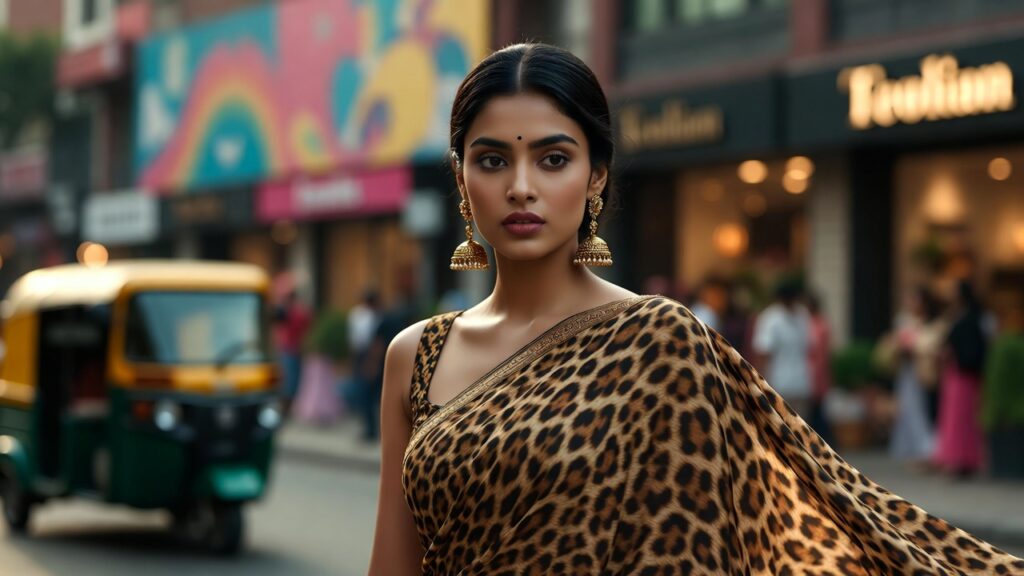
Animal prints are everywhere – from Bollywood celebrities to your favorite Instagram influencers. There’s a reason these prints never go out of style.
Why everyone loves animal print:
- Makes any boring outfit look instantly stylish
- Works for both casual and party wear
- Gives you that confident, bold vibe
- Never really goes “out of fashion”
A simple leopard print scarf can dress up your plain black kurta. A zebra print dress makes you stand out at parties. One animal print piece does the work of an entire outfit change.
Whether it’s a ₹1,500 top from Zara or a ₹20,000 designer dress, animal prints need extra care. The bold patterns, multiple colors, and often delicate fabrics mean you can’t just throw them in with your regular laundry.
Real story: Neha bought a beautiful cheetah print blouse for ₹3,000. She washed it once with her normal clothes and regular Surf Excel. The print faded so badly it looked like muddy brown spots instead of a cheetah pattern. She couldn’t wear it anymore. One wrong wash = ₹3,000 wasted.
Why Animal Print Clothes Need Special Care
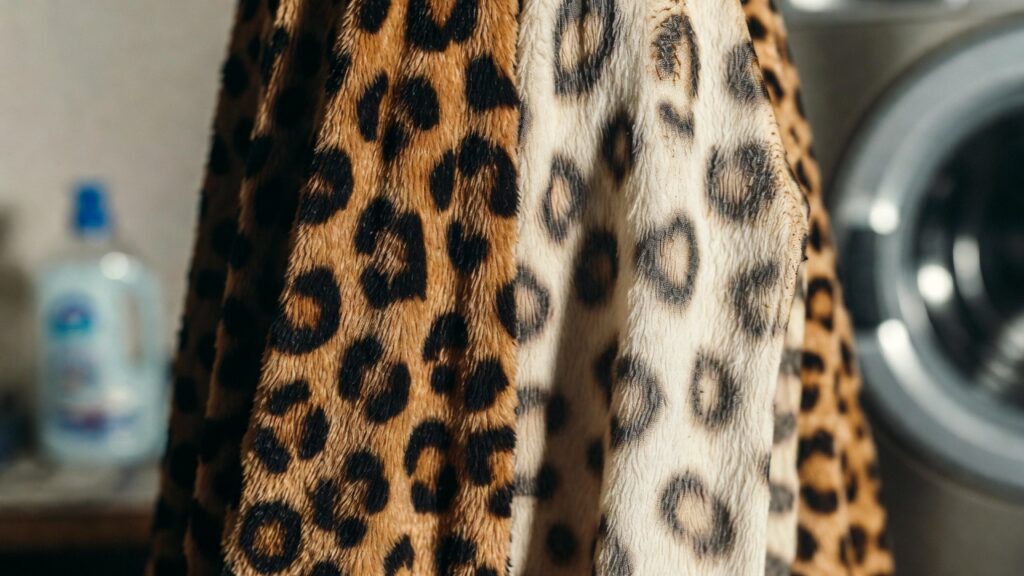
Animal prints are trickier to clean than plain colored clothes. Here’s why cleaning animal print fabrics needs more attention.
What makes them delicate:
- Multiple colors: Leopard prints have brown, black, cream, tan – each color can fade at different speeds
- Sharp contrast matters: The crisp edges between spots or stripes are the first to fade
- Print type varies: Some prints are just surface dye (fades fast), others are better quality but still need gentle care
- Different fabrics: Animal prints come on silk, cotton, chiffon, polyester – each needs different treatment
How the damage happens:
When you wash animal print roughly, the dyes start bleeding into each other. Those sharp leopard spots become fuzzy and unclear. Zebra stripes lose their bold black-and-white look. Bright colors turn dull and washed out.
Hot water makes everything worse. It opens up the fabric fibers and releases the dye. Machine dryers lock in the faded look permanently. Once your animal print loses its sharpness, it looks cheap – even if you paid a lot for it.
Think about it like this: regular plain clothes have one color throughout. But animal prints are like a painting on fabric. You wouldn’t throw a painting in the washing machine, right?
Also See: How to Care for Designer Clothes to Avoid Smell and Fungus
How to Care for Animal Print Clothes Based on Fabric Type
Different fabrics need different care. A cotton leopard print T-shirt is totally different from a silk zebra print blouse. Let’s make this simple.
Cotton Animal Print
https://share.google/6fJb9mibHTt1OvPfp
Cotton is the easiest to care for, but you still need to be careful to avoid fading your prints.
How to wash cotton animal prints:
- Turn inside out before washing (protects the print)
- Always use cold water – hot water = faded prints
- Gentle cycle or hand wash
- Use mild detergent like Ezee or Woolite
- Dry in shade, never in direct sunlight
- If ironing, do it from the reverse side
Real example: Priya has a cotton leopard print kurti from Global Desi (₹1,800). She’s had it for 2 years and it still looks new. Her secret? Always cold water, inside out, shade drying. Her sister bought the same kurti but washed it in hot water and dried it in the sun – it faded completely in just 4 months.
| Do This | Don’t Do This |
| Cold water wash | Hot water (fades colors) |
| Turn inside out | Wash with print facing out |
| Shade dry | Direct sunlight drying |
| Gentle cycle | Regular harsh cycle |
Silk and Satin Animal Prints
https://share.google/Y4tlqrHzh7Rj1F48j
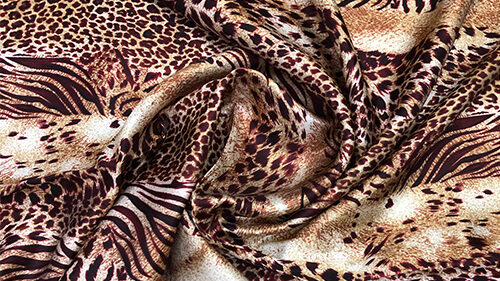
Silk animal prints are stunning but super delicate. The smooth fabric shows every mark and the dyes are very sensitive.
Care for silk leopard or zebra prints:
- Never machine wash – only hand wash or dry clean
- Use cold water with silk-specific detergent
- Don’t squeeze or twist – just gently press water out
- Roll in a clean towel to absorb moisture
- Lay flat to dry, never hang when wet
- Steam from a distance, don’t iron directly
Most expensive silk animal print scarves, blouses, and sarees should go for dry cleaning. It’s safer and keeps the pattern looking sharp.
What happened to Kavita: She hand-washed her silk leopard print dupatta in regular detergent. The brown and black colors bled together, creating muddy patches. The dupatta was ruined. If she’d spent ₹500 on dry cleaning instead, her ₹5,000 dupatta would still be perfect.
Polyester and Synthetic Animal Prints
https://share.google/4FcdGMZ6wVg7vEppT
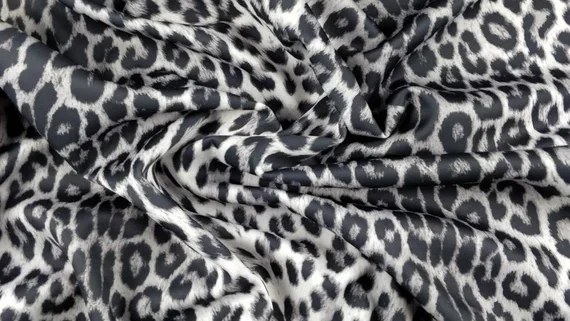
Synthetic fabrics are more forgiving, but you still can’t be careless.
Washing synthetic animal prints:
- Machine wash on delicate cycle is usually okay
- Cold water only
- Use color-safe detergent
- Remove immediately after wash (don’t let it sit wet)
- Hang to dry or tumble dry on lowest heat
- Usually don’t need ironing, but if needed, use low heat
Most affordable animal print tops (₹500-₹1,500 range) are polyester. They’re easier to maintain but can still fade if you’re rough with them.
Printed Luxury Clothes (Designer Pieces)
Designer animal prints – whether Roberto Cavalli, Versace, or Indian designers like Sabyasachi – need professional care. Don’t risk these at home.
Why designer prints are different:
- Higher quality dyes that still need gentle treatment
- Often mixed fabrics (silk + cotton blend, etc.)
- Unique printing techniques
- Too expensive to risk damage
For anything above ₹10,000, the dry cleaning cost is worth protecting your investment.
| Fabric Type | Can Wash at Home? | Best Cleaning Method |
| Cotton animal print | Yes | Cold water, gentle cycle, inside out |
| Silk animal print | Risky | Dry clean or very careful hand wash |
| Polyester animal print | Yes | Delicate cycle, cold water |
| Designer animal print | No | Professional cleaning only |
Is It Safe to Clean Animal Print Clothes at Home?
Short answer: It depends on the fabric and how expensive the piece is.
When home cleaning is safe:
- Cotton or polyester animal prints
- Items under ₹2,000
- Prints that are woven in, not just surface printed
- If you follow the care label exactly
- When you have the right gentle detergents
When you should NOT clean at home:
- Silk or delicate fabric animal prints
- Designer pieces (₹5,000+)
- “Dry clean only” label
- Vintage or antique animal print items
- Heavy embellishments on the print
- When you’re not confident
How to test if you can wash at home:
Take a small hidden area (like inside seam). Dab with wet cloth and mild detergent. Press with white cloth. If color transfers to the white cloth = the dye bleeds = don’t wash at home.
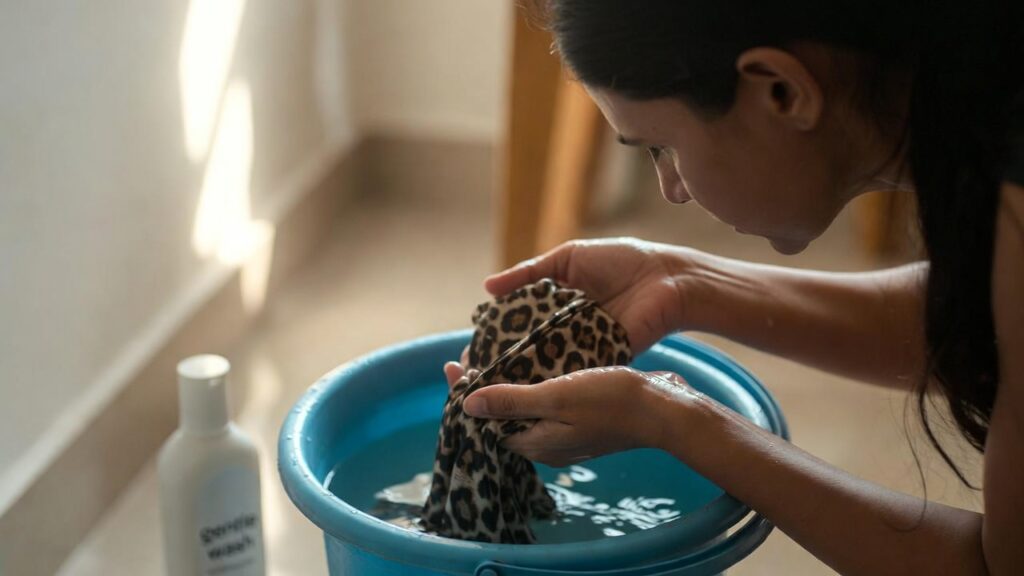
Safe home washing steps for washable animal prints:
- Turn garment inside out
- Fill bucket with cold water
- Add small amount of gentle detergent (Ezee works great)
- Gently swish the garment, don’t scrub
- Soak for 10-15 minutes max
- Rinse with cold water until clear
- Press water out gently (never wring)
- Roll in towel to absorb moisture
- Lay flat or hang in shade to dry
Mistakes that ruin prints:
- Scrubbing the print area (crushes and fades it)
- Using bleach or harsh detergents
- Soaking for too long (dye seeps out)
- Washing with other colored clothes (color transfer)
- Hot water at any stage
Success story: Anjali washes her cotton leopard print pajamas at home every month following these exact steps. They’re 3 years old and still look great. The key? She never rushes, always uses cold water, and dries them properly.
Drying & Maintaining Shape
How you dry your animal print clothes matters as much as how you wash them. Wrong drying ruins everything.
Best drying methods to maintain animal print pattern:
- Lay flat drying: Best for delicate pieces, prevents stretching
- Hang in shade: Okay for sturdier cotton prints, but never in direct sun
- Never tumble dry: Heat sets faded colors and can shrink the garment
- Good air circulation: Helps dry faster without mustiness
Why sunlight is bad for animal prints:
Direct sunlight is like a bleach for printed fabrics. UV rays break down the dye molecules. That’s why clothes dried in the sun fade faster – especially prints with dark colors like leopard or zebra patterns.
Shape maintenance tips:
- Button up shirts while drying (keeps shape)
- Reshape while damp, don’t let it dry wrinkled
- For knit animal prints, lay flat (hanging stretches them)
- Smooth out wrinkles with hands while still damp
What not to do:
- Don’t wring or twist wet animal print clothes
- Don’t hang heavy wet items (they stretch)
- Don’t dry on radiators or heaters (too hot, causes fading)
- Don’t leave bunched up wet (creates permanent creases)
Drying time guide:
| Fabric | Drying Time | Best Method |
| Cotton animal print | 4-6 hours | Hang in shade or lay flat |
| Silk animal print | 6-8 hours | Lay flat only, good ventilation |
| Polyester animal print | 2-4 hours | Hang or lay flat |
| Thick/embellished prints | 8-12 hours | Lay flat, turn occasionally |
Real-life tip: My neighbor dries all her animal print clothes on a drying rack inside her house, near a window but not in direct sunlight. She’s never had fading issues in 5 years. Meanwhile, her friend who dries everything in direct sun on the terrace replaces her animal print clothes every year because they fade so fast.
When to Choose Professional Cleaning like Vanzoo

Some animal print pieces are too precious or delicate to risk washing at home. Here’s when to head to the dry cleaners.
Choose professional cleaning for animal prints when:
- Price tag is ₹5,000 or more
- Label says “dry clean only”
- It’s silk, satin, or delicate fabric
- Heavy beading or embellishments on the print
- Designer brand (Gucci, Versace, Sabyasachi, etc.)
- You spilled something oily or difficult to remove
- You’re not confident about cleaning it yourself
What professional cleaners do differently:
Good dry cleaners use special solvents that clean without water. This prevents dye bleeding, color fading, and fabric damage. They also have specialized equipment for delicate fabrics and techniques to protect prints.
Premium services like VANZOO understand delicate care for printed luxury clothes. They use gentle, non-toxic methods specifically designed for animal print garments and other special fabrics.
Cost vs. Risk:
Dry cleaning one animal print dress: ₹400-₹800 Replacing a ruined ₹8,000 leopard print dress: ₹8,000
The math is simple. Spending ₹500 on professional cleaning is way better than replacing a damaged expensive piece.
When professional cleaning might not be needed:
- Simple cotton animal print T-shirts (under ₹1,000)
- Polyester pieces you’re comfortable washing
- Items you wear casually and don’t mind fading a bit
- When care label says “machine washable”
How to choose a good dry cleaner for animal prints:
- Ask if they have experience with printed fabrics
- Check if they do a stain/color test before cleaning
- Look for reviews mentioning delicate garment care
- Avoid very cheap cleaners (they might use harsh chemicals)
- Ask about their process for color-fast items
Smart example: Meera has 3 leopard print outfits. Two are expensive silk pieces (₹6,000 each) – she always dry cleans these. One is a cotton top (₹1,200) – she washes this at home carefully. She spends about ₹1,200 per year on dry cleaning but her expensive pieces still look perfect after 4 years.
| When to DIY | When to Professional Clean |
| Cotton prints under ₹2,000 | Silk/satin animal prints |
| “Machine washable” label | “Dry clean only” label |
| Simple polyester pieces | Designer pieces (₹5,000+) |
| Casual wear | Special occasion wear |
| You’re confident | You’re unsure |
Styling Care: Making Your Pieces Last Season After Season
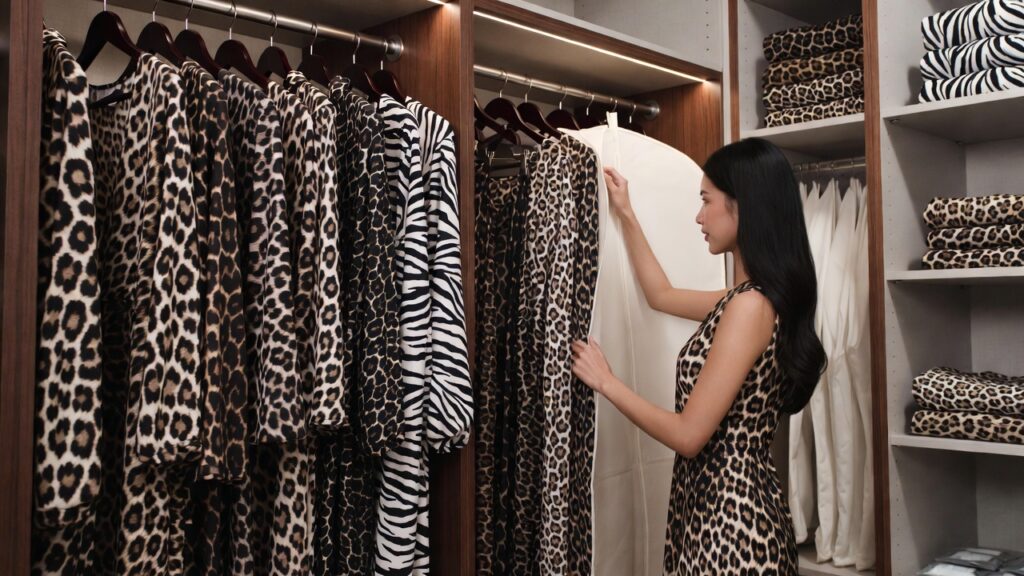
Keeping animal print clothes looking good isn’t just about washing – it’s also about how you wear and store them.
Smart wearing habits to avoid damage to animal print outfits:
- Apply perfume and makeup before wearing (not on the fabric)
- Use deodorant properly so it doesn’t stain
- Be careful with jewelry that might snag prints
- Avoid sitting on rough surfaces in delicate prints
- Wear an undershirt with white/light animal prints (prevents yellowing)
Storage tips to maintain animal print pattern:
- Store in breathable garment bags, not plastic
- Hang structured pieces, fold knits
- Keep away from direct sunlight (fades colors)
- Use silica gel packets in monsoon (prevents moisture damage)
- Don’t overcrowd your closet (prevents crushing and creasing)
Seasonal care for animal prints:
Before storing for the season, make sure your animal print clothes are completely clean. Any stains left on fabric will set in during storage and become permanent. Even if you can’t see the stain, oils from your skin can oxidize and turn yellow.
Protecting prints from everyday damage:
- Spot clean small stains immediately (don’t let them set)
- Air out after wearing before storing
- Rotate your pieces (don’t wear the same one repeatedly)
- Keep moths away with natural repellents like neem or lavender
Common styling mistakes that damage prints:
- Wearing too-tight animal prints (stretches and distorts pattern)
- Constant friction in same areas (armpit, thighs fade faster)
- Mixing with rough textures (Velcro, coarse bags)
- Not protecting in rain (water marks on delicate prints)
Long-term care reality check:
Even with perfect care, prints do fade eventually. But proper care can make your animal print last 5-10 years instead of 1-2 years. That’s a huge difference in value.
Success story: Rashmi has a zebra print dress she bought 6 years ago for ₹4,500. She still wears it and gets compliments. Her secrets: dry clean twice a year, air out after every wear, store properly in cotton garment bag, and rotate with other outfits so it’s not overworn. She’s calculated her cost-per-wear is now just ₹75 – amazing value!
| Good Habit | Why It Matters |
| Air out after wearing | Prevents odor buildup and need for frequent washing |
| Spot clean immediately | Small stains don’t become big problems |
| Proper storage | Maintains shape and prevents fading |
| Rotate outfits | Reduces wear and tear on any single piece |
Final Thoughts
Animal print clothes are an investment in your style. Whether it’s a ₹1,000 top or a ₹10,000 designer dress, taking care of these pieces properly saves you money and keeps you looking fabulous.
Remember these key points:
The golden rule: Animal print clothes require special cleaning care – always check fabric type, read care labels, and when in doubt, choose professional cleaning over risking damage.
Quick action checklist:
- Check the care label first, always
- Test for color bleeding before washing
- Use cold water and gentle detergents only
- Turn inside out to protect prints
- Dry in shade, never direct sunlight
- Store properly in breathable bags
- Professional cleaning for expensive pieces
Smart investment thinking:
Would you rather spend ₹500 on dry cleaning or ₹5,000 replacing a ruined outfit? The choice is obvious.
Your animal print clothes make you feel confident and stylish. Give them the care they deserve, and they’ll keep making you look amazing season after season.
Start with just one change today – maybe switching to cold water or turning clothes inside out before washing. Small changes in how you care for leopard, zebra, and cheetah print clothes make a huge difference in how long they last.
Frequently Asked Questions
Q: Can you wash animal print clothes in a washing machine? Yes, but only cotton or polyester animal prints labeled “machine washable.” Always use cold water, gentle cycle, and turn inside out. Never machine wash silk animal prints or designer pieces. For expensive items, dry cleaning is safer to maintain the pattern and prevent fading.
Q: How do you wash animal print without fading? Use cold water only, mild detergent like Ezee, and wash inside out. Don’t soak too long (max 15 minutes). Avoid hot water, harsh detergents, and direct sunlight when drying. Hand washing is gentler than machine. For valuable pieces, professional cleaning prevents fading best.
Q: Should you dry clean animal print clothes? Dry clean silk, satin, or designer animal prints (₹5,000+) and anything labeled “dry clean only.” Also dry clean if you’re unsure or the garment has heavy embellishments. Simple cotton or polyester animal prints under ₹2,000 can usually be carefully washed at home.
Q: How often should you clean animal print garments? Don’t wash after every wear. Air out and spot clean instead. Wash cotton animal prints after 3-4 wears, polyester after 4-5 wears. Dry clean silk pieces when visibly soiled or twice a season. Over-washing fades prints faster than necessary.
Q: What detergent is best for animal print fabrics? Use gentle, color-safe detergents like Ezee, Woolite, or Ariel Matic for delicates. Avoid regular harsh detergents, bleach, or whitening agents. For silk animal prints, use silk-specific detergent. Always use less detergent than normal – too much can strip colors.
Q: Can leopard print clothes be washed in hot water? No, never use hot water on leopard or any animal print. Hot water opens fabric fibers and releases dye, causing fading and color bleeding. Always use cold water (room temperature or cooler) to preserve the sharp contrast and vibrant colors in animal prints.
Q: How do you remove stains from zebra print clothes? Blot immediately with clean cloth – never rub. For washable fabrics, use cold water and mild detergent on the stain only. Test first on hidden area. For silk zebra prints or stubborn stains, take to professional cleaner. Don’t use harsh stain removers that might fade the print.
Q: Why do animal print colors fade after washing? Multiple dye colors in animal prints (browns, blacks, creams) react differently to water and detergent. Hot water, harsh chemicals, sunlight, and rough washing cause dye molecules to break down and bleed together, losing the sharp contrast that makes animal prints look good.
Q: Can you iron animal print clothes? Yes, but iron from the reverse side only to protect the print. Use low to medium heat depending on fabric. For silk animal prints, steaming is safer than ironing. Never iron directly on the print side – it can create shiny patches and damage the pattern.
Q: How do you store animal print clothes long-term? Store clean (even invisible stains set during storage). Use breathable cotton garment bags, not plastic. Keep in cool, dark place away from sunlight. Add silica gel in monsoon. Hang structured pieces, fold knits. Avoid overcrowding to prevent crushing and creasing.
Key Takeaways: Simple Steps to Protect Your Animal Prints

Your action plan starts now:
Immediate changes you can make:
- Switch to cold water for all animal print washing
- Buy gentle detergent like Ezee (₹150-250)
- Turn clothes inside out before every wash
- Start drying in shade instead of sunlight
Before next wash, remember:
- Check care label and fabric type
- Test for color bleeding on hidden area
- Separate animal prints from other laundry
- Use less detergent than you think you need
Investment protection:
- Anything above ₹3,000 = consider professional cleaning
- Designer pieces = always professional cleaning
- Silk animal prints = dry clean, don’t risk home washing
The effort you put into caring for your animal print clothes today saves you thousands of rupees in replacements tomorrow. Start treating them with the special care they need, and enjoy wearing your favorite leopard, zebra, and cheetah prints for many years to come!