
Is Dry Cleaning Safe for Skin? What the Chemicals in Your Clothes Are Doing to You
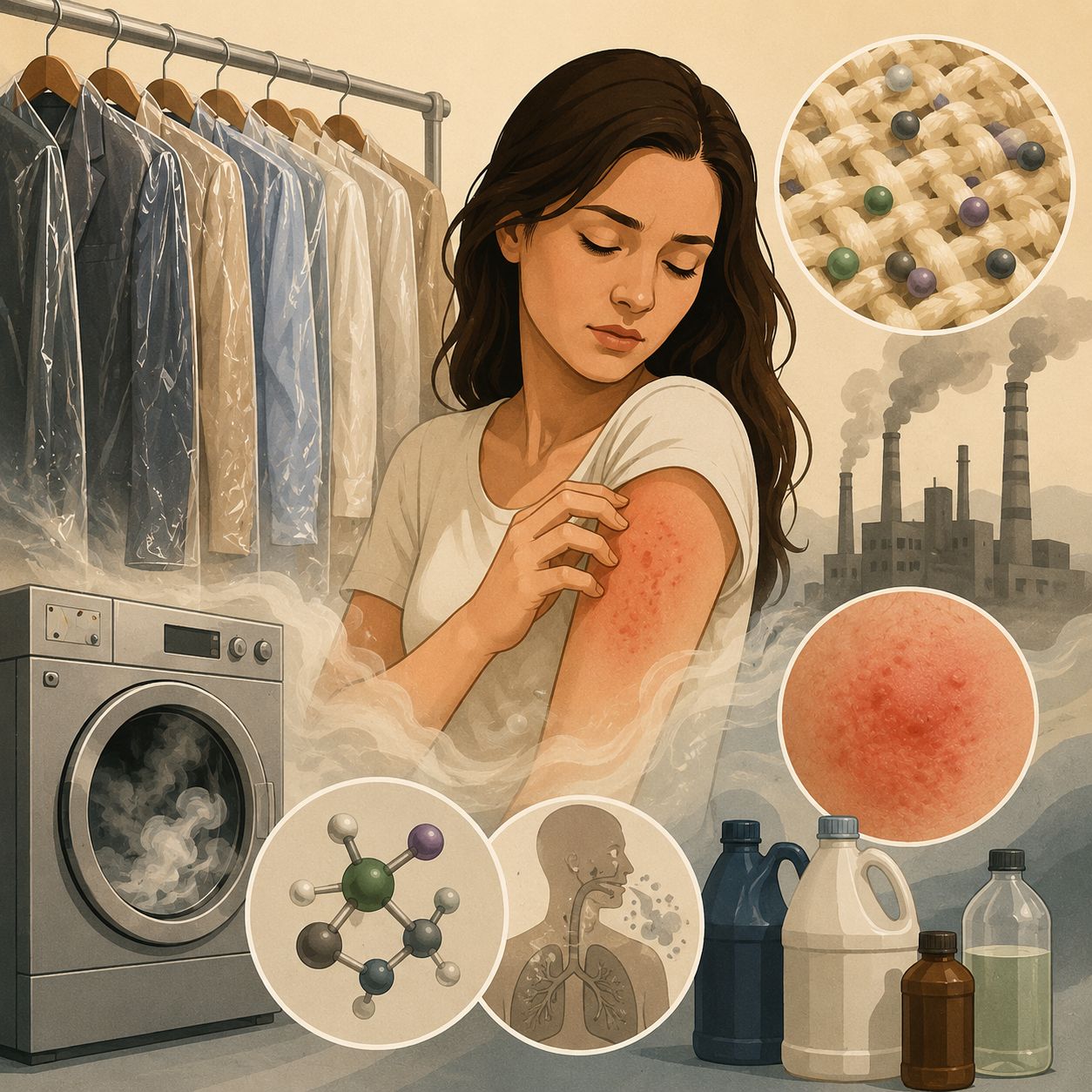
Many people rely on dry cleaning to keep their clothes looking fresh, clean, and professional. From business suits to delicate fabrics, dry cleaning helps preserve garments that cannot be washed using conventional methods. However, a common question remains: Is dry cleaning safe for your skin?
The answer depends largely on the cleaning method and the chemicals used. While traditional dry cleaning has been widely used for decades, concerns about certain solvents have led consumers to seek safer and more eco-friendly alternatives. Understanding what happens to your clothes during the dry cleaning process can help you make informed decisions for both your wardrobe and your health.
What Happens During Dry Cleaning?
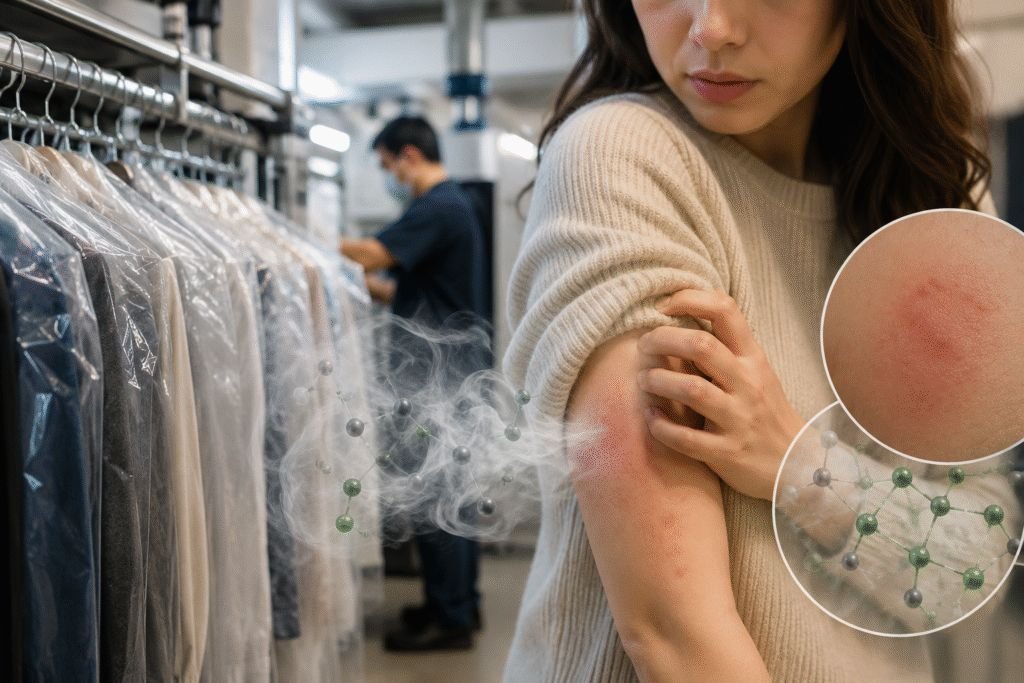
Despite its name, dry cleaning is not completely dry. Instead of water, specialized liquid solvents are used to remove dirt, stains, oils, and odors from fabrics. This process is particularly effective for delicate materials such as silk, wool, velvet, and structured garments that may shrink or lose shape in water.
The type of solvent used plays a major role in determining how safe the process is for both the wearer and the environment.
For professional garment care, choosing a trusted service provider such as Vanzoo’s dry cleaning service can help ensure that modern and fabric-safe cleaning methods are used.
The Traditional Dry Cleaning Chemical: PERC
For many years, the most commonly used dry cleaning solvent has been Perchloroethylene (PERC), also known as tetrachloroethylene.
PERC is highly effective at removing grease-based stains and has been the industry standard for decades. However, growing research and environmental concerns have raised questions about its long-term impact.
Some concerns associated with PERC include:
- Residual chemical traces remaining on clothing
- Skin irritation in sensitive individuals
- Strong chemical odors
- Environmental contamination risks
- Potential health concerns from prolonged exposure
While modern dry cleaners follow safety regulations to minimize risks, some people with sensitive skin may experience discomfort when wearing freshly cleaned garments treated with PERC.
Can Dry-Cleaned Clothes Irritate Your Skin?
In most cases, professionally cleaned garments are considered safe to wear. However, individuals with sensitive skin, allergies, eczema, or chemical sensitivities may occasionally experience reactions.
Possible symptoms include:
- Mild itching
- Skin redness
- Irritation around the neck or wrists
- Allergic reactions in highly sensitive individuals
The likelihood of irritation often depends on:
- The cleaning solvent used
- The quality of the dry cleaning process
- Whether garments were properly aired after cleaning
- Individual skin sensitivity
If you notice discomfort after wearing dry-cleaned clothing, switching to cleaners that use modern, low-residue solvents may help.
Modern Alternatives to Traditional Dry Cleaning
As consumer awareness has increased, many professional garment care providers have adopted safer alternatives to traditional PERC cleaning.
One of the most popular options is Hydrocarbon Dry Cleaning.
Hydrocarbon solvents are generally gentler on fabrics and produce less odor compared to traditional solvents. They are particularly suitable for:
- Luxury garments
- Designer wear
- Delicate fabrics
- Wedding dresses
- Premium business attire
These modern cleaning methods are designed to provide effective stain removal while reducing the amount of harsh chemical residue left on garments.
Hydrocarbon Dry Cleaning vs Traditional PERC Cleaning
| Feature | Hydrocarbon Cleaning | PERC Cleaning |
| Odor Level | Mild | Stronger chemical smell |
| Fabric Care | Gentle on delicate fabrics | Effective but harsher on some materials |
| Skin Friendliness | Generally better for sensitive users | May cause irritation for some individuals |
| Environmental Impact | Lower | Higher |
| Garment Longevity | Helps preserve fabric quality | Can be harsher over time |
For customers who prioritize comfort, garment longevity, and fabric safety, hydrocarbon cleaning is often considered a preferred choice.
How to Reduce Exposure to Dry Cleaning Chemicals
Even if your garments are professionally cleaned, there are simple steps you can take to reduce potential exposure:
Air Out Freshly Cleaned Clothes
Allow garments to hang in a well-ventilated area for several hours before wearing them.
Remove Plastic Covers
Plastic covers can trap residual odors and chemicals. Remove them immediately after bringing clothes home.
Choose Modern Dry Cleaning Services
Select cleaners that use advanced garment care technologies and safer solvents.
Wash Skin-Contact Items Carefully
Items that stay in direct contact with the skin, such as scarves or certain garments, may benefit from alternative cleaning methods depending on fabric requirements.
Are Children and Sensitive Individuals More Vulnerable?
Children, elderly individuals, and people with sensitive skin may be more susceptible to irritation from chemical residues.
This does not mean dry cleaning is unsafe, but it does highlight the importance of choosing professional cleaners that follow modern standards and use garment-friendly cleaning solutions.
Families concerned about skin sensitivity should ask their dry cleaner about the cleaning methods used and whether eco-friendly alternatives are available.
The Importance of Choosing the Right Dry Cleaner
Not all dry cleaning services operate the same way. The quality of equipment, solvent management, garment handling, and finishing processes can significantly impact the final result.
A reputable garment care provider focuses on:
- Fabric-safe cleaning methods
- Proper solvent recovery systems
- Quality inspection
- Stain-specific treatment
- Professional finishing and packaging
At Vanzoo, professional garment care is designed to protect both your clothing and overall comfort while maintaining the highest cleaning standards.
You can also explore Vanzoo’s laundry services for everyday garment care and fabric maintenance.
Conclusion
So, is dry cleaning safe for skin? In most cases, yes. However, the answer depends largely on the chemicals used and the quality of the cleaning process.
Traditional PERC-based dry cleaning has served the industry for decades, but modern alternatives such as hydrocarbon dry cleaning are becoming increasingly popular due to their gentler impact on fabrics and reduced chemical residue.
If you have sensitive skin, allergies, or simply want a more fabric-friendly cleaning solution, choosing a professional cleaner that uses advanced garment care technologies can make a noticeable difference.
By understanding the chemicals involved in dry cleaning and selecting the right service provider, you can enjoy clean, fresh clothing without compromising comfort.
FAQs
Is dry cleaning harmful to skin?
Most professionally dry-cleaned garments are safe to wear. However, people with sensitive skin may occasionally experience irritation depending on the cleaning solvent used.
What chemical is commonly used in traditional dry cleaning?
Perchloroethylene (PERC) has traditionally been the most widely used dry cleaning solvent.
Does dry cleaning leave chemicals on clothes?
Small traces of solvents may remain after cleaning, but professional processes are designed to minimize residue before garments are returned to customers.
Is hydrocarbon dry cleaning safer than PERC cleaning?
Hydrocarbon cleaning is generally considered gentler on fabrics and may be more comfortable for individuals concerned about chemical exposure.
How can I reduce exposure to dry cleaning chemicals?
Air out freshly cleaned garments, remove plastic covers, and choose professional cleaners that use modern, fabric-friendly cleaning technologies.

Let us handle the difficult ones
Free pickup and delivery across Gurgaon — cleaned with Italian hydrocarbon technology and finished by hand.
Related reading
 Fabric Care5 min read
Best Dry Cleaning Service in Gurgaon: What to Look for Before You Book
Finding a reliable dry cleaning service isn’t just about choosing the nearest shop or the lowest price. Your clothes—whether it’s a designer dress, business suit, wedding outfit, or silk saree—deserve professional care that protects their quality and extends their lifespan. With so many dry cleaners available in Gurgaon offering pickup, delivery, express cleaning, and premium…
Read More Fabric Care5 min read
Heirloom Garment Preservation: How to Store and Protect Family Clothing for Generations
Some garments are more than just pieces of clothing—they’re priceless family heirlooms. A mother’s wedding saree, a grandmother’s silk shawl, a father’s sherwani, or a child’s christening outfit often carries memories that span generations. These treasured pieces deserve proper care so they can be admired and passed down for years to come. Unfortunately, many heirloom…
Read More Fabric Care5 min read
How to Preserve a Wedding Saree: The Complete Care Guide
A wedding saree is more than just a piece of clothing—it is a treasured memory woven with emotions, traditions, and special moments. Whether it’s a luxurious Banarasi silk, Kanjeevaram, designer saree, or a family heirloom, proper care is essential to maintain its beauty for years to come. Unfortunately, many wedding sarees lose their shine, develop…
Read More