
What Is Hydrocarbon Dry Cleaning? How It’s Different from Traditional PERC Cleaning
You drop off your favourite silk saree or an expensive wool blazer at the dry cleaner. You pick it up two days later — and it smells oddly chemical, looks slightly duller, or the fabric feels subtly stiffer. Sound familiar?
This is often the after-effect of traditional dry cleaning using PERC, a harsh chemical solvent that has been the industry standard for decades. While it cleans, it does so at a cost — to your garments, your health, and the environment.
Enter hydrocarbon dry cleaning — a modern, fabric-safe alternative that is rapidly changing the way premium garment care works in India and around the world.
In this guide, we break down exactly what hydrocarbon dry cleaning is, how it compares to traditional PERC cleaning, and why it matters for anyone who cares about the longevity of their wardrobe.
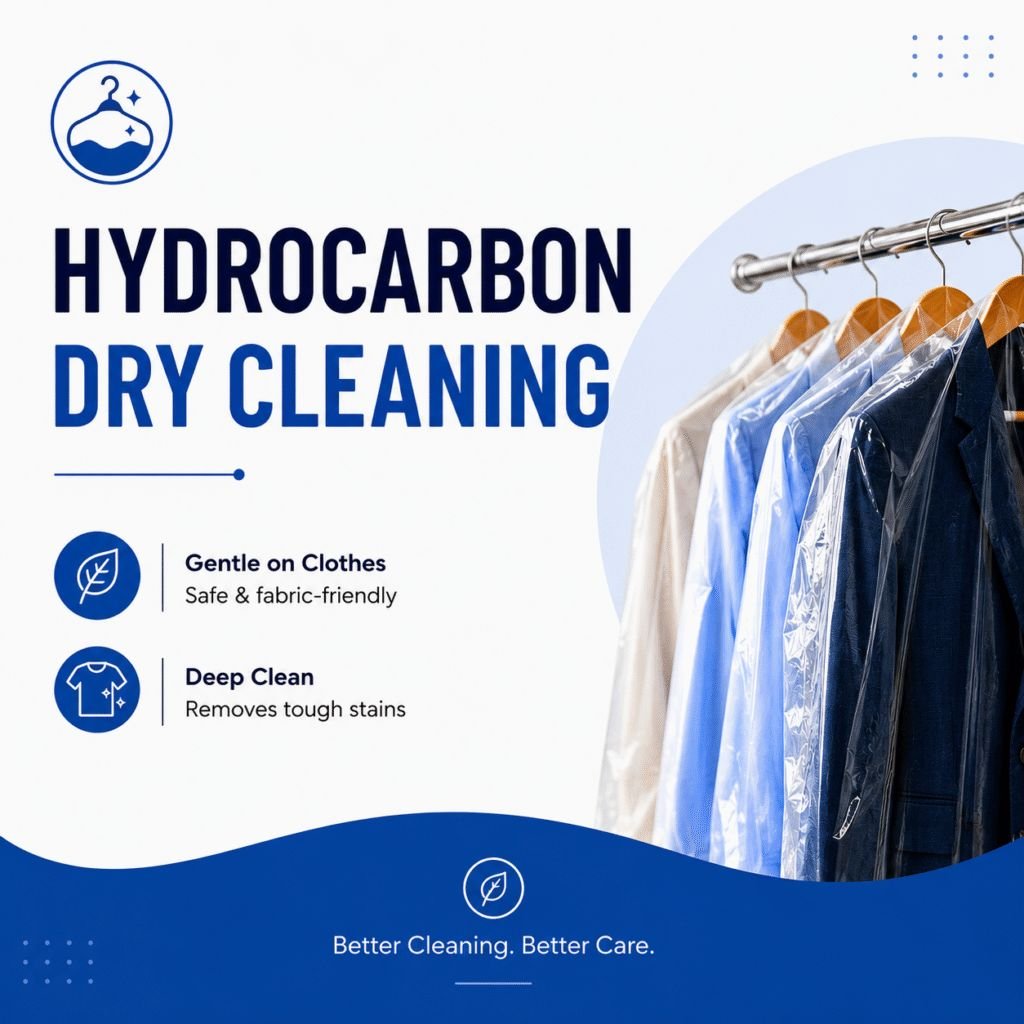
What Is Hydrocarbon Dry Cleaning?
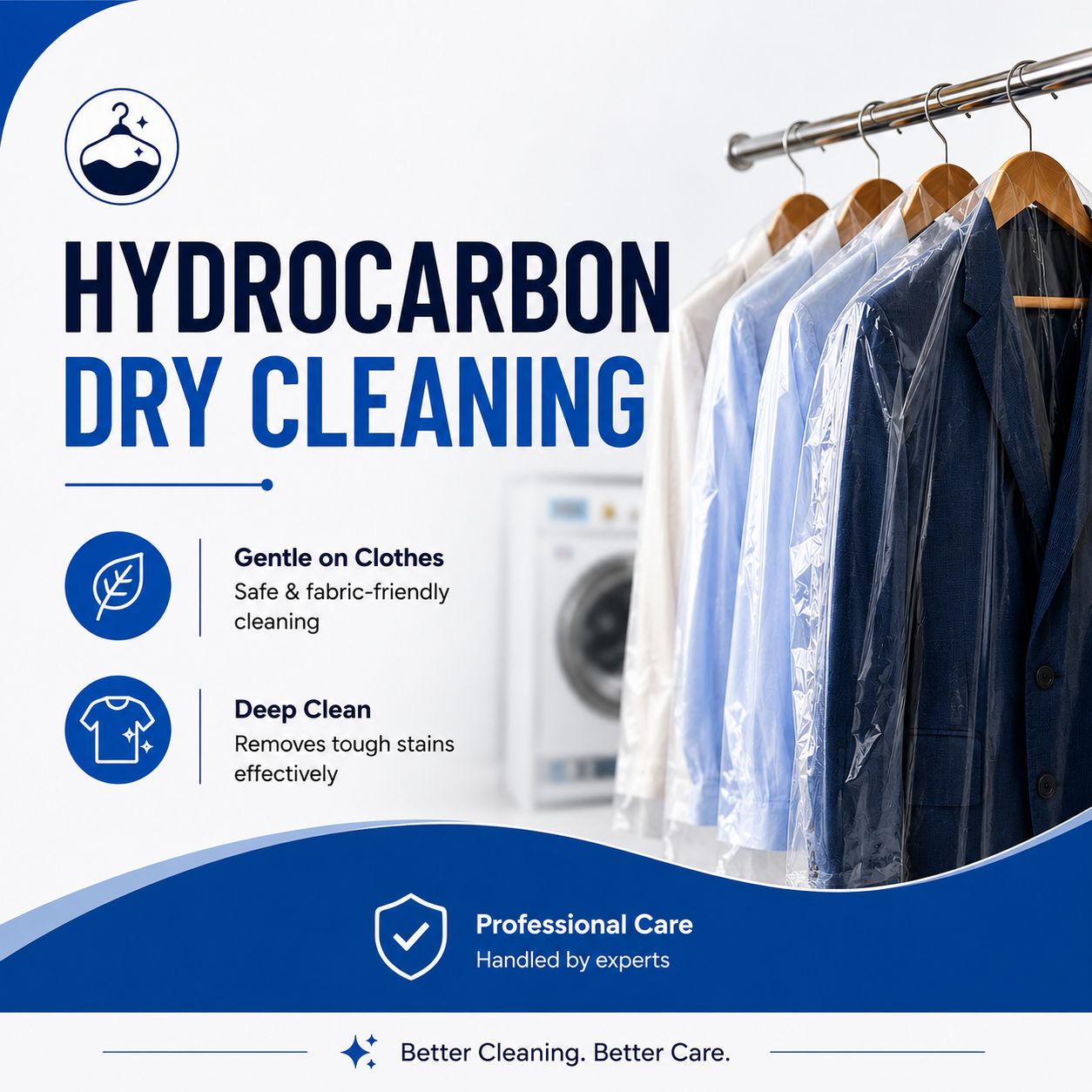
Hydrocarbon dry cleaning is a professional fabric-cleaning process that uses petroleum-derived hydrocarbon solvents — instead of water or harsh synthetic chemicals — to clean garments without damaging delicate fibres.
The solvent most commonly used is a refined, odourless petroleum distillate known commercially as DF-2000 (by ExxonMobil) or Solvon K4. These solvents belong to the aliphatic hydrocarbon family, meaning they are composed of carbon and hydrogen chains similar to those found in mineral spirits — but far more refined and purified for textile use.
Unlike chlorinated solvents such as PERC, hydrocarbon solvents are:
- Non-chlorinated — no toxic chlorine compounds released during cleaning
- Biodegradable — they break down naturally in the environment
- Low in odour — garments come back smelling fresh, not chemical
- Gentle on dyes and fibres — colours stay vibrant, textures stay soft
In simple terms, hydrocarbon dry cleaning gives you the deep-cleaning power of professional dry cleaning, without the chemical aggression that damages fabrics over time.
How Hydrocarbon Dry Cleaning Works
The process of hydrocarbon dry cleaning closely mirrors traditional dry cleaning in terms of the machinery used, but the chemistry is fundamentally different.
Here’s a step-by-step breakdown:
Step 1 — Pre-treatment
Stains are assessed and pre-treated with specific spotting agents suited to the fabric type and stain composition. This targeted approach reduces the need for aggressive chemical action during the main wash.
Step 2 — Machine wash with hydrocarbon solvent
Garments are loaded into a specialised dry cleaning machine. The hydrocarbon solvent circulates through the drum, dissolving oils, greases, body soils, and other non-water-soluble contaminants.
Step 3 — Solvent recovery and distillation
One of hydrocarbon dry cleaning’s most important features is solvent recovery. The used solvent is distilled and purified for reuse, which reduces chemical waste and operating costs.
Step 4 — Drying and finishing
Garments are carefully dried at controlled temperatures, then pressed, steamed, and finished by hand or machine depending on fabric requirements.
The entire process is designed to be thorough yet gentle — which is why fabric-safe dry cleaning using hydrocarbon solvents is increasingly preferred for high-value and delicate garments.
What Is Traditional PERC Dry Cleaning?
PERC, short for perchloroethylene (also called tetrachloroethylene), is a chlorinated solvent that has dominated the dry cleaning industry since the 1950s. It became popular because it cleans effectively, evaporates quickly, and works with almost all fabric types.
However, PERC comes with significant drawbacks:
- It is classified as a Group 2A probable human carcinogen by the International Agency for Research on Cancer (IARC)
- Long-term exposure is linked to kidney and liver damage, neurological effects, and increased cancer risk
- PERC contamination of soil and groundwater is a well-documented environmental hazard
- Garments cleaned with PERC often carry a distinct chemical odour
- Repeated PERC cleaning can weaken fibres, fade colours, and alter the texture of delicate fabrics
Despite these concerns, PERC remains widely used in many dry cleaning shops across India, largely due to the lower initial cost of equipment and the chemical’s familiarity in the trade.
Hydrocarbon Dry Cleaning vs PERC Cleaning — Full Comparison
| Feature | Hydrocarbon Dry Cleaning | PERC Dry Cleaning |
| Solvent Type | Petroleum-based aliphatic hydrocarbon (e.g. DF-2000) | Synthetic chlorinated solvent (perchloroethylene) |
| Fabric Safety | Very high — gentle on delicate fibres | Moderate — can weaken fibres with repeated use |
| Cleaning Performance | Excellent for oils, body soils, and general dirt | Excellent — powerful broad-spectrum cleaning |
| Odour | Low odour; garments smell fresh | Distinct chemical odour that lingers |
| Environmental Impact | Biodegradable; lower environmental risk | Persistent soil/groundwater contaminant; toxic |
| Chemical Residue | Minimal residue; evaporates cleanly | Risk of residual PERC on garments |
| Delicate Garments | Ideal — preserves colour, texture, and embellishments | Can cause colour fading and texture changes |
| Health Concerns | Low — not classified as carcinogenic | Probable human carcinogen (IARC Group 2A) |
| Cost | Slightly higher | Generally lower |
| Sustainability | Higher — solvent recovery reduces waste | Lower — toxic waste disposal required |
Advantages of Hydrocarbon Dry Cleaning
Switching from PERC to hydrocarbon isn’t just a marketing trend — it’s a scientifically grounded improvement in garment care. Here are the core advantages:
1. Superior Fabric Preservation
Hydrocarbon solvents are milder than PERC, which means they don’t strip natural oils from fibres. This keeps wool, silk, cashmere, and linen looking and feeling their best — wash after wash.
2. Colour Retention
One of the most visible benefits: colours stay vibrant. PERC can cause gradual dye migration and fading, especially in bold or printed fabrics. Hydrocarbon solvents are far gentler on dyes.
3. No Harsh Chemical Smell
Garments cleaned with hydrocarbon solvents come back smelling clean and neutral — not with the telltale chemical smell that many people associate with dry cleaning.
4. Safer for Embellishments
Beaded work, zari embroidery, sequins, and delicate trims — common in Indian ethnic wear — respond far better to hydrocarbon cleaning than to PERC, which can loosen adhesives and tarnish metallic threads.
5. Reduced Health Risk
For dry cleaning workers who handle solvents daily, the shift to hydrocarbon solvents represents a meaningful reduction in occupational health risk. For customers, it means less concern about residual chemicals on clothing worn close to skin.
Expert Tips for Getting the Most Out of Dry Cleaning
Tip 1 — Always check the care label first. The care label is your first guide. “Dry clean only” means the fabric cannot tolerate water — but it doesn’t specify which solvent. Ask your cleaner what they use.
Tip 2 — Pre-treat stains immediately. The longer a stain sits, the harder it is to remove. Blot (don’t rub) fresh stains and inform your dry cleaner of the stain type and cause.
Tip 3 — Don’t over-clean. Even with gentle hydrocarbon cleaning, over-cleaning is unnecessary wear. Clean garments when they’re actually soiled — not after every wear.
Tip 4 — Store cleaned garments correctly. After dry cleaning, remove the plastic cover and allow garments to breathe before storing. Plastic traps residual moisture and can yellow fabrics over time.
Tip 5 — Choose a cleaner who knows your fabric. A good dry cleaner will ask about the garment, not just accept it. If they don’t inspect it, look elsewhere.
Frequently Asked Questions (FAQ)
Q1: What exactly is hydrocarbon dry cleaning?
A: Hydrocarbon dry cleaning is a professional garment cleaning method that uses refined petroleum-derived solvents — such as DF-2000 — instead of water or harsh chlorinated chemicals. The solvents dissolve soils and contaminants from fabric without saturating fibres with water, making it particularly suited to delicate and structured garments.
Q2: Is hydrocarbon dry cleaning safe for all fabrics?
A: Hydrocarbon solvents are safe for the vast majority of fabrics, including silk, wool, cashmere, linen, velvet, and most embellished garments. However, some rubberised or foam-backed fabrics may not be compatible. A reputable dry cleaner will inspect each garment and advise accordingly.
Q3: How does hydrocarbon dry cleaning differ from PERC cleaning?
A: The primary difference is the solvent used. PERC is a synthetic chlorinated solvent — powerful but toxic, carcinogenic, and environmentally persistent. Hydrocarbon solvents are petroleum-derived, biodegradable, lower in toxicity, and gentler on fabrics. Hydrocarbon cleaning is considered the safer and more modern alternative.
Q4: Is hydrocarbon dry cleaning eco-friendly?
A: Compared to PERC, yes — significantly so. Hydrocarbon solvents are biodegradable and far less likely to cause soil or groundwater contamination. Modern hydrocarbon machines also use closed-loop solvent recovery systems, which reduce chemical waste. That said, they are still petroleum-based, so “eco-friendly” is relative — they are a meaningful improvement, not a perfect solution.
Q5: Does hydrocarbon dry cleaning remove all types of stains?
A: Hydrocarbon solvents excel at removing oil-based stains, body soils, cosmetics, grease, and most everyday contaminants. For water-based stains (like ink, wine, or sweat), pre-treatment with appropriate spotting agents is typically required. A skilled dry cleaner will use a combination of techniques.
Conclusion: The Future of Garment Care Is Cleaner and Smarter
The clothes we wear carry more than just fabric — they carry memories, identity, and sometimes significant financial investment. It makes sense, then, to care for them using the best available methods.
Hydrocarbon dry cleaning represents a genuine step forward for the dry cleaning industry — gentler on fabrics, safer for the people who wear them, and far less damaging to the environment than the PERC-based methods that have dominated for decades.
Whether you’re cleaning an heirloom silk saree, a well-tailored blazer, or a hand-embroidered lehenga, choosing a dry cleaning service that prioritises fabric safety and uses modern, responsible solvents is one of the best decisions you can make for your wardrobe.
As Indian consumers become more informed and more discerning, the demand for premium dry cleaning that combines expertise, transparency, and genuine care will only grow.
Ready to experience professional garment care done right?
Vanzoo brings modern, thoughtful dry cleaning and laundry services to your doorstep. Whether it’s everyday wear or your most cherished garments, Vanzoo’s team handles each piece with the care and expertise it deserves.
Visit vanzoo.in to book your first order and see the difference that informed, professional garment care makes.

Let us handle the difficult ones
Free pickup and delivery across Gurgaon — cleaned with Italian hydrocarbon technology and finished by hand.
Related reading
 Fabric Care5 min read
Best Dry Cleaning Service in Gurgaon: What to Look for Before You Book
Finding a reliable dry cleaning service isn’t just about choosing the nearest shop or the lowest price. Your clothes—whether it’s a designer dress, business suit, wedding outfit, or silk saree—deserve professional care that protects their quality and extends their lifespan. With so many dry cleaners available in Gurgaon offering pickup, delivery, express cleaning, and premium…
Read More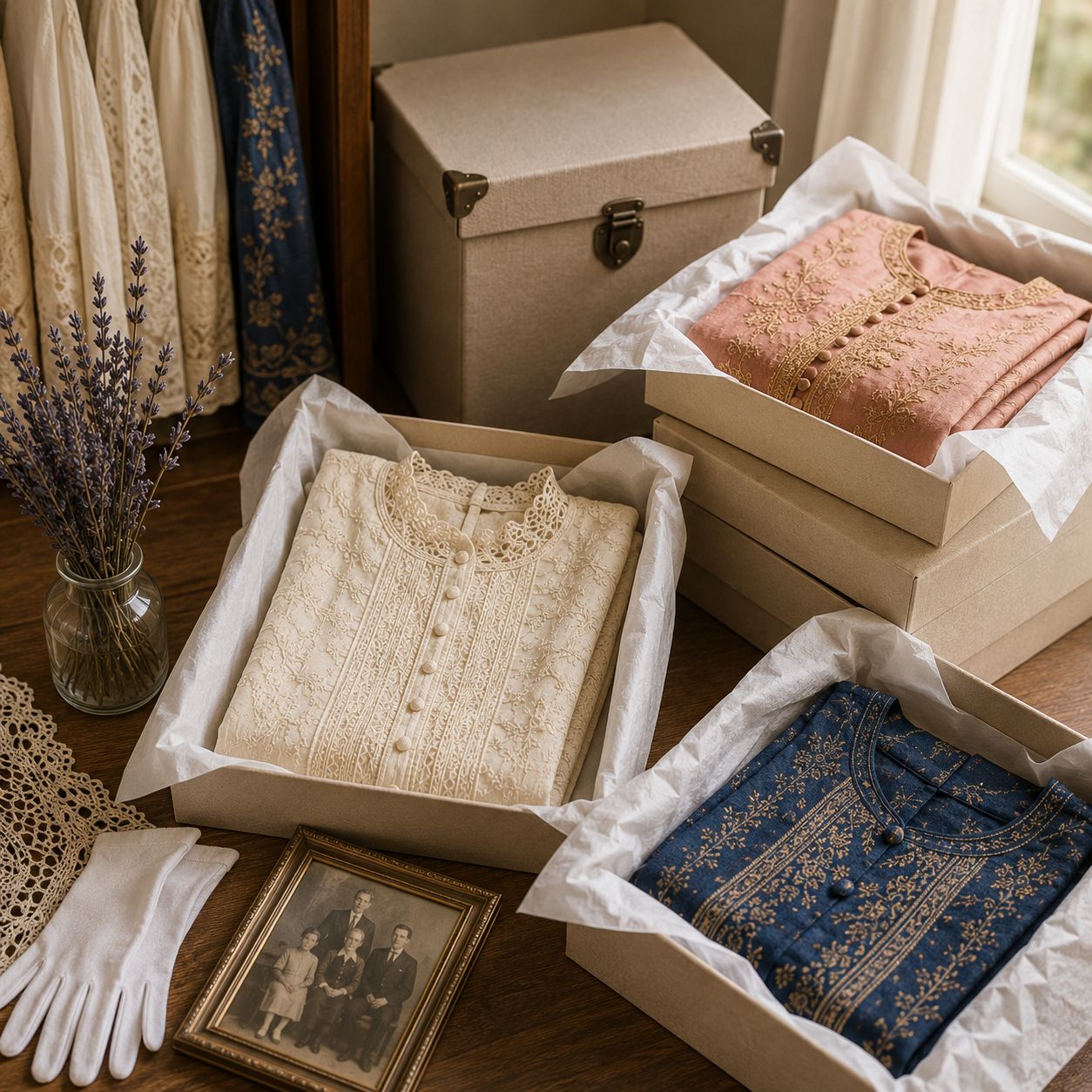 Fabric Care5 min read
Heirloom Garment Preservation: How to Store and Protect Family Clothing for Generations
Some garments are more than just pieces of clothing—they’re priceless family heirlooms. A mother’s wedding saree, a grandmother’s silk shawl, a father’s sherwani, or a child’s christening outfit often carries memories that span generations. These treasured pieces deserve proper care so they can be admired and passed down for years to come. Unfortunately, many heirloom…
Read More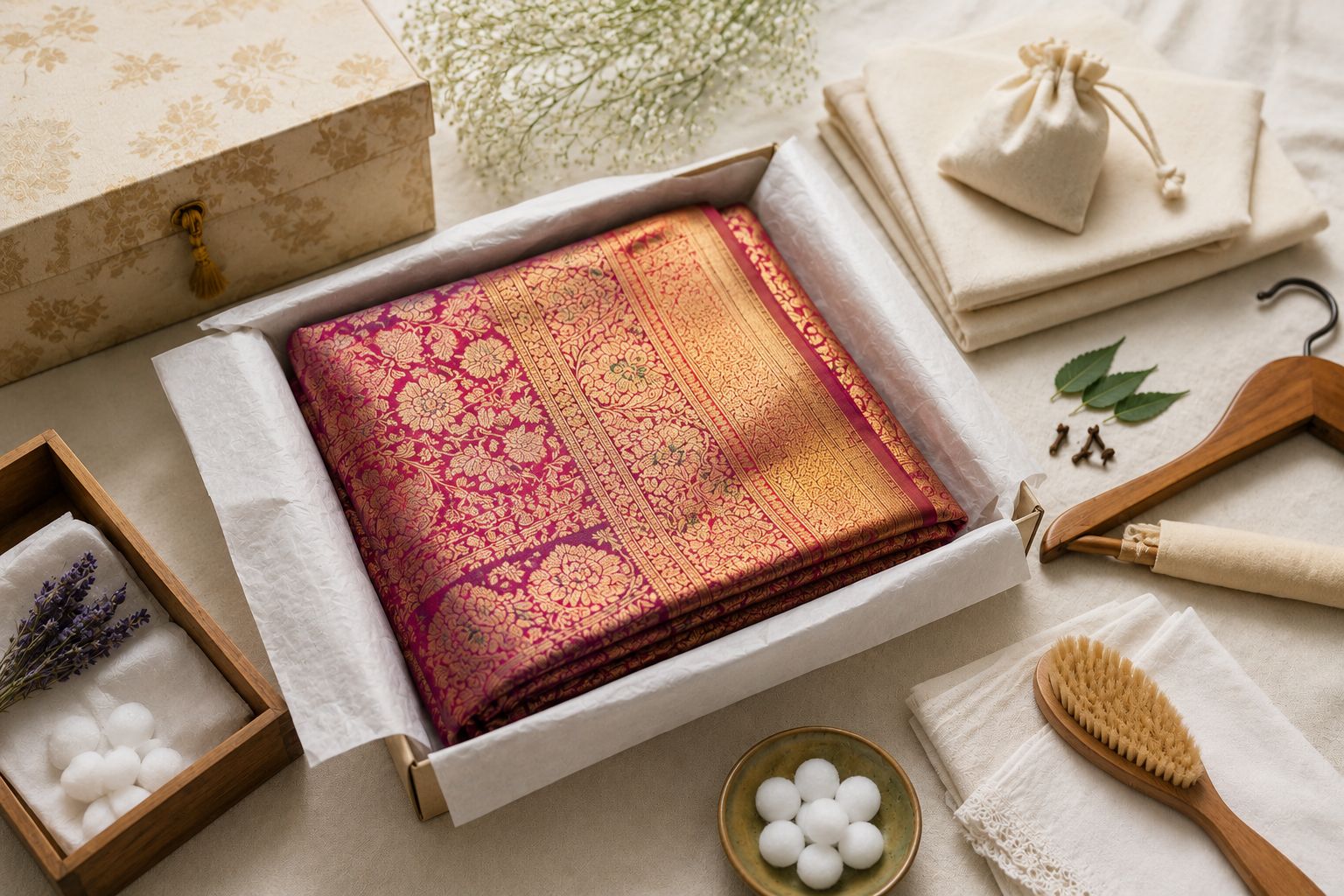 Fabric Care5 min read
How to Preserve a Wedding Saree: The Complete Care Guide
A wedding saree is more than just a piece of clothing—it is a treasured memory woven with emotions, traditions, and special moments. Whether it’s a luxurious Banarasi silk, Kanjeevaram, designer saree, or a family heirloom, proper care is essential to maintain its beauty for years to come. Unfortunately, many wedding sarees lose their shine, develop…
Read More