- Introduction
- What Is the Difference Between Dry Cleaning vs. Laundering Shirts?
- Which Clothes Should Be Dry Cleaned vs. Washed at Home?
- Which Is Safer for Delicate Fabrics: Dry Cleaning or Laundering?
- Why Formal Wear Gets Damaged More Easily
- 5 Tips to Prevent Formal Wear from Getting Damaged & Retain Their Quality
- How Does Dry Cleaning vs. Laundering Shirts Impact Shrinkage and Fit?
- How Often Should You Dry Clean vs. Launder Shirts?
- Dry Cleaning vs. Laundering: Which Is More Environmentally Friendly?
- Conclusion
Introduction
Deciding how to clean your shirts isn’t always as easy as throwing them into the washing machine and calling it a day. Whether it’s a sharp work shirt you rely on or a more relaxed piece you wear often, the way you care for it has a big impact on how it looks, feels, and lasts over time.
Both dry cleaning and laundering have their own strengths and drawbacks. Dry cleaning is usually the trusted choice for delicate fabrics and structured shirts, while laundering feels more natural for everyday wear.
In this blog, we’ll break down the pros and cons of dry cleaning vs. laundering shirts, how they impact fabric care, cost, and longevity, and how to decide what’s best for your favorite shirts.
Understanding the pros and cons of dry cleaning vs. laundering shirts makes it easier to choose the right care method for every type of shirt.
What Is the Difference Between Dry Cleaning vs. Laundering Shirts?
The real difference between dry cleaning vs. laundering shirts comes down to the cleaning process and how your shirts respond to it over time.
When you think about how you wear and care for your shirts, this difference becomes easier to notice. Dry cleaning skips water and instead uses specialized solvents, which helps delicate fabrics stay smooth and keeps shirts looking structured and well-shaped.
Laundering takes a more hands-on approach, using water and detergent to give shirts a deep, familiar clean. This is often what you naturally reach for in your day-to-day routine.
Key differences at a glance:
- Cleaning method: Dry cleaning uses solvents; laundering uses water and detergent
- Fabric care: Dry cleaning is gentler on delicate or structured shirts
- Stain removal: Laundering is better for sweat and water-based stains
- Convenience & cost: Laundering is usually cheaper and easier to do at home
In short, the choice between dry cleaning vs. laundering shirts depends on the fabric, how often the shirt is worn, and the level of care it needs. Once you understand the difference, it becomes much easier for you to keep your shirts looking sharp and lasting longer.
Which Clothes Should Be Dry Cleaned vs. Washed at Home?
Knowing which clothes should be dry cleaned versus washed at home isn’t really about saving money, it’s about keeping your wardrobe looking sharp without adding extra effort to your routine.
Choosing the right cleaning method helps fabrics hold their quality, maintain structure, and deliver the polished, professional appearance that business and formal wear demand.
Best suited for dry cleaning:
- Business suits, blazers, and tailored jackets
- Dress shirts made from fine cotton, silk blends, or wool
- Garments with lining, pleats, or structured shoulders
- Dark, formal clothing that needs consistent color and finish
Suitable for washing at home:
- High-quality cotton dress shirts designed for machine washing
- Business-casual shirts worn for lighter, day-to-day use
- Items labeled “easy care” or “wrinkle-resistant”
- Clothing that doesn’t rely on structure for its shape
Ultimately, dry cleaning provides a more refined, hands-off way to keep professional garments looking their best, while home laundering fits naturally into the care routine for certain business-casual pieces that don’t rely as heavily on structure or finish.
Which Is Safer for Delicate Fabrics: Dry Cleaning or Laundering ?
When it comes to delicate fabrics, choosing between dry cleaning vs. laundering shirts really comes down to how the fabric responds to water, heat, and movement. Some materials naturally keep their shape and finish better with professional dry cleaning, while others can handle gentle home washing without losing their look or feel.
Fabrics That Are Safer for Dry Cleaning
These fabrics are sensitive to water and agitation, which can cause shrinking, fading, or loss of structure:
- Silk – Water can weaken silk fibers and leave uneven marks. Dry cleaning keeps the fabric smooth and maintains its natural sheen.
- Wool and wool blends – Washing can cause wool to shrink or lose its shape. Dry cleaning preserves structure, especially for dress shirts and suits.
- Cashmere – Extremely soft fibers can be felt in water. Dry cleaning helps retain softness and fit.
- Linen blends with structure – While pure linen can sometimes be washed, structured linen shirts benefit from dry cleaning to reduce heavy wrinkling.
- Shirts with lining or detailing – Embellishments, pleats, and inner layers stay intact with dry cleaning.
Fabrics That Can Be Safely Laundered
These fabrics are more resilient and respond well to gentle washing when cared for properly:
- High-quality cotton – Most dress shirts made from cotton or cotton blends are designed for laundering and maintain their look with proper care.
- Cotton blends – Blends with polyester or elastane are less prone to shrinking and wrinkling.
- Performance or easy-care fabrics – These are engineered to handle washing while staying crisp and comfortable.
- Lightweight synthetics – Fabrics like polyester and nylon generally wash well and dry quickly.
How to Choose the Safest Option
It always helps to glance at the care label, notice how structured the garment is, and think about the level of polish you want. The more tailored or delicate a shirt feels, the more dry cleaning naturally becomes the safer choice.
Dry cleaning tends to suit refined, delicate, and structured fabrics, while laundering fits better with durable, modern shirt materials. Picking the right method helps your shirts stay comfortable, well-shaped, and consistently professional over time.
5 tips to prevent formal wear from getting damaged & retain their quality.
Formal wear is made to look crisp, polished, and well put together, but that same refined construction also makes it more delicate than everyday clothing.
These pieces depend on finer fabrics, precise tailoring, and internal details like linings or padding to keep their shape and sharp appearance.
Because of this, formal clothes don’t take kindly to rough treatment. Wearing them often, cleaning them the wrong way, exposing them to too much heat, or storing them carelessly can quickly cause fading, misshaping, or fabric stress, especially in fast-paced professional environments where they’re in regular use.
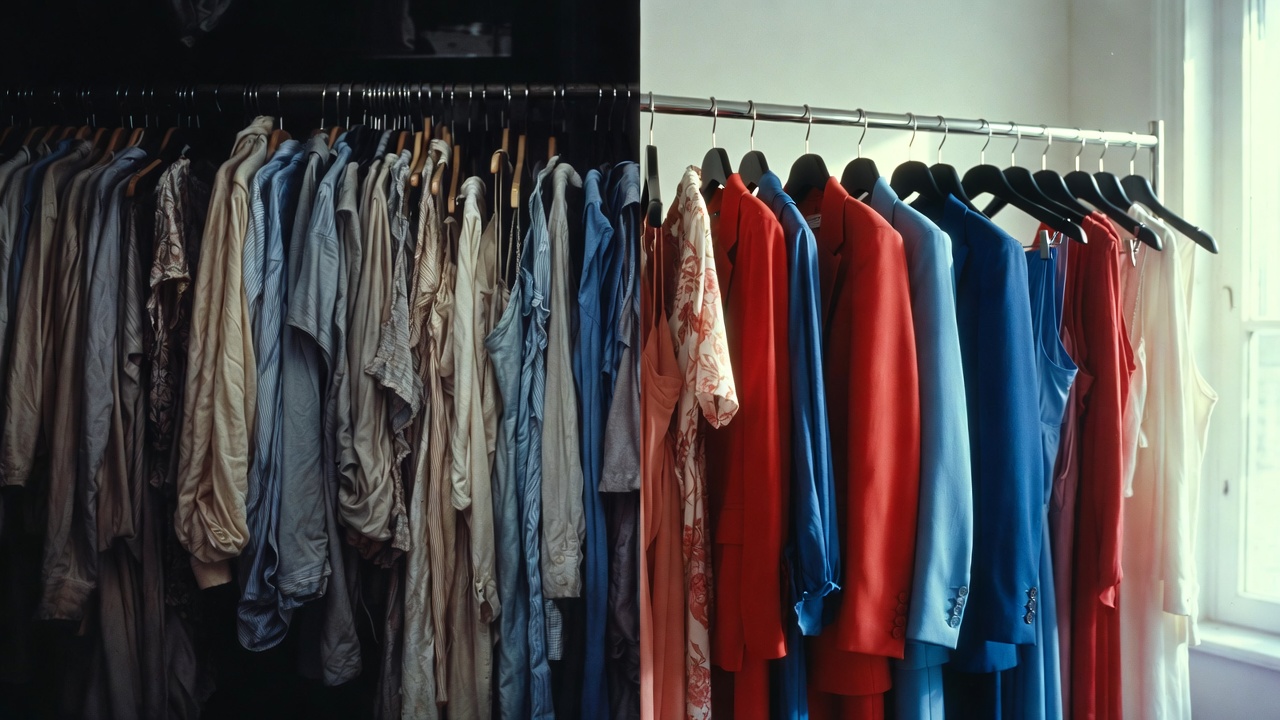
Why Formal Wear Gets Damaged More Easily

Source: https://in.pinterest.com/pin/567664728041728516/
These pieces depend on finer fabrics, precise tailoring, and internal details like linings or padding to keep their shape and sharp appearance.
Because of this, formal clothes don’t take kindly to rough treatment. Wearing them often, cleaning them the wrong way, exposing them to too much heat, or storing them carelessly can quickly cause fading, misshaping, or fabric stress, especially in fast-paced professional environments where they’re in regular use.
5 Tips to Prevent Damage and Retain Quality
- Rotate Your Formal Wear Regularly– Wearing the same garment over and over doesn’t give the fabric enough time to rest and recover. Rotating your clothes allows the fibers to bounce back, helping maintain their strength, shape, and overall appearance.
- Choose the Right Cleaning Method-
Structured and delicate garments tend to do better with professional dry cleaning, as it protects their shape and finish. Certain shirts, on the other hand, can be gently laundered, helping keep them fresh without putting them through unnecessary wear. - Use Proper Hangers and Storage-
Wide, contoured hangers help support the shoulders properly and prevent sagging over time. Using breathable garment covers keeps clothes protected from dust while still allowing airflow, so moisture doesn’t get trapped. - Avoid Heat and Over-Ironing-
Too much heat can weaken fabric fibers and leave behind unwanted shine or flattening. Using steam instead of direct heat is a gentler way to smooth garments while keeping the fabric looking fresh and healthy. - Handle with Care During Wear-
Try not to overload pockets, sit for long stretches without adjusting your clothes, or let garments rub against rough surfaces.
Formal wear holds up best when it’s treated with a little intention and care. Wearing it thoughtfully, cleaning it the right way, and storing it properly all work together to keep your professional wardrobe looking sharp, refined, and dependable for years to come.
How Does Dry Cleaning vs. Laundering Shirts Impact Shrinkage and Fit?
Shirt shrinkage and changes in fit are common worries, especially when it comes to formal and business wear when comparing dry cleaning vs. laundering shirts.
The key difference comes down to how each method handles water, heat, and movement, three elements that play a big role in whether a shirt keeps its original size and shape over time.
Why Shrinkage and Fit Issues Happen
Laundering puts shirts through water and movement, which can cause natural fibers like cotton and wool to tighten up over time. Add heat from washing or drying, and the chances of shrinkage or slight warping become even higher.
Dry cleaning takes a different approach by avoiding water altogether and using carefully controlled processes instead. This makes it much gentler on structured garments and helps protect precise tailoring and fit.
Shrinkage is one of the biggest deciding factors when comparing dry cleaning vs. laundering shirts for formal wear.
Impact of Laundering on Shrinkage and Fit
- Water causes fibers to contract – Especially in cotton shirts, leading to reduced length and tighter sleeves
- Heat sets shrinkage – High dryer or iron heat can permanently alter fit
- Agitation weakens seams – Frequent washing can stretch collars, cuffs, and plackets
- Inconsistent results – Fit may change gradually over time with repeated laundering
Impact of Dry Cleaning on Shrinkage and Fit
- No water, less shrinkage – Solvent-based cleaning prevents fiber tightening
- Better shape retention – Collars, cuffs, and shoulders stay structured
- Controlled finishing – Professional pressing restores original fit and lines
- Ideal for tailored shirts – Maintains precise sizing and proportions
How to Choose the Right Method
If a shirt is finely tailored, made from delicate fabric, or designed to keep a sharp, clean silhouette, dry cleaning is usually the safer choice. Laundering tends to suit everyday business shirts better, especially when it’s done gently and with low heat.
Over time, frequent laundering can slowly alter a shirt’s fit because of repeated exposure to water and heat. Dry cleaning, on the other hand, helps preserve the original sizing and structure that give a shirt its polished appearance.
Choosing the right cleaning method helps your shirts fit the way they’re meant to, clean, comfortable, and consistently professional.
How Often Should You Dry Clean vs. Launder Shirts?
Source: https://in.pinterest.com/pin/40180621670379372/
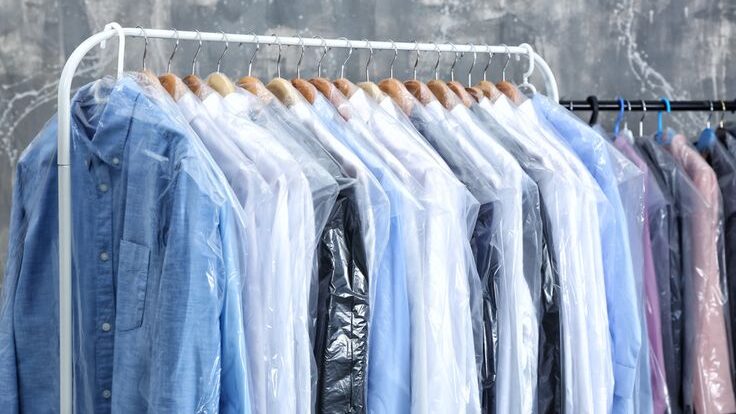
Knowing how often to dry clean versus launder your shirts plays a big role in maintaining fabric quality, fit, and a consistently professional look. While both methods work well when used the right way, doing either too often can slowly wear down fibers and reduce how long your shirts last.
Shrinkage is one of the biggest deciding factors when comparing dry cleaning vs. laundering shirts for formal wear.
How Often You Should Dry Clean Shirts
Dry cleaning is best used occasionally, not after every wear.
- Ideal for tailored, delicate, or structured shirts
- Recommended after multiple wears, unless visibly soiled
- Helps preserve shape, collars, cuffs, and overall finish
If overdone:
Frequent dry cleaning can strip natural oils from fabrics like wool or silk, making fibers brittle over time and reducing softness.
How Often You Should Launder Shirts
Laundering is suitable for regular-use business shirts, but it should still be done thoughtfully.
- Best for cotton and cotton-blend shirts
- Safe after each wear, especially in warm or high-activity settings
- Use gentle cycles and low heat to protect fabric
If overdone:
Washing shirts too often puts them through repeated water movement and heat, which can slowly lead to shrinkage, weaker fibers, and collars or cuffs that lose their original shape.
How Each Method Affects Fiber Quality
- Laundering stresses fibers through water and friction, gradually thinning the fabric and dulling its finish
- Dry cleaning avoids water damage but relies on solvents, which can reduce flexibility if used too frequently
Which Method Is Safer and Why?
Dry cleaning is usually the safer choice for preserving fit, structure, and refined fabrics, especially when it comes to formal and tailored shirts.
Laundering, while convenient, can be tougher on delicate or structured garments because repeated exposure to water and heat can permanently affect how the fibers behave.
The real key is to use dry cleaning with intention to protect quality and shape, and turn to laundering only for shirts that are made to handle it. Striking the right balance, rather than cleaning too often, helps shirts stay sharp, comfortable, and professionally finished over time.
Dry cleaning vs. Laundering, which is more Environmentally Friendly?
When you look at dry cleaning vs. laundering shirts through an environmental lens, the answer isn’t as clear-cut as it used to be.
Laundering was long seen as the greener choice, but newer advancements, especially green dry cleaning, have shifted the conversation in a meaningful way.
Environmental Impact of Laundering Shirts
Pros:
- Uses water-based cleaning rather than chemical solvents
- Familiar and widely accessible method
Cons:
- Consumes large amounts of water per wash cycle
- Requires electricity for washing and drying
- Frequent washing shortens garment life, leading to higher clothing waste
- Detergents and microfibers can enter waterways
Environmental Impact of Traditional Dry Cleaning
Pros:
- Uses little to no water
- Extends garment lifespan by reducing fabric damage
Cons:
- Older methods relied on harsh chemical solvents
- Potential air and soil pollution if not handled properly
Which Is More Environmentally Friendly?
With advanced technology, modern dry cleaning is often more environmentally responsible than laundering, especially for formal and business shirts. It conserves water, reduces energy consumption, and supports sustainable clothing care by extending fabric life.
Shrinkage is one of the biggest deciding factors when comparing dry cleaning vs. laundering shirts for formal wear.
Conclusion
In the end, choosing the right care method comes down to preserving quality, fit, and confidence. Understanding the nuances of dry cleaning vs. laundering shirts helps you make smarter decisions that protect fabrics, maintain structure, and support a consistently polished appearance.
With modern advancements like green dry cleaning, professional garment care has become both refined and responsible, something premium brands such as VANZOO quietly exemplify. When cared for the right way, your shirts don’t just stay clean, they continue to look sharp, feel comfortable, and perform at their best, wear after wear.