
- Introduction
- Which Fabrics Need Dry Cleaning and Why?
- Which Clothes Can Be Safely Washed at Home?
- How Do You Read Fabric Care Labels Correctly?
- Can You Wash “Dry Clean Only” Clothes at Home?
- What Happens If You Machine Wash Delicate Fabrics?
- How Often Should You Dry Clean Suits, Sarees, and Winter Coats?
- When Should You Choose Dry Cleaning Instead of Regular Washing?
- What Are the Most Common Fabric Care Mistakes That Damage Clothes?
- Conclusion
Introduction
We all love buying new clothes, but taking care of them is where things get tricky. Most of us have stood in front of a washing machine wondering what needs dry cleaning and what doesn’t. One wrong wash can shrink a sweater, ruin a blazer, or fade your favorite outfit.
The truth is, different fabrics need different care. Some clothes are perfectly fine with regular washing at home, while others require professional cleaning to keep their shape and quality. If you have ever been confused about dry cleaning vs regular washing, you are definitely not alone.
In this fabric care guide, we will break down what needs dry cleaning and what doesn’t in simple terms, so you can protect your clothes and make them last longer without second guessing every wash.
So let’s start by understanding which fabrics actually need professional care.
Which Fabrics Need Dry Cleaning and Why?
When it comes to fabric care, one thing is very important to understand. Not all fabrics are made the same. Some are strong and can handle water, detergent, and spinning in a machine. Others are delicate, structured, or sensitive to moisture and heat. That is exactly why different fabrics have different cleaning needs.
Water can shrink some fabrics. Heat can weaken others. Heavy spinning can ruin the shape of structured clothes. So if you are confused about what needs dry cleaning and what doesn’t, it usually comes down to how the fabric reacts to water, heat, and friction.
Understanding this makes it much easier to decide what needs dry cleaning and what doesn’t without damaging your clothes.
Which Fabric Needs Dry Cleaning
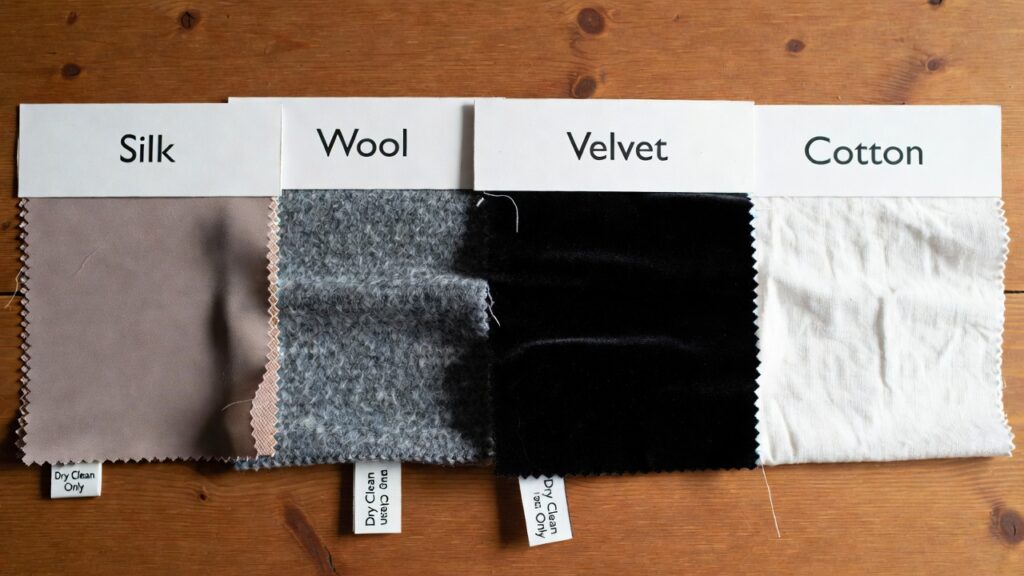
Here are fabrics that usually need professional care and are safer with dry cleaning.
1. Silk
Silk is very delicate and can lose its shine and softness when washed in water. It may shrink or develop water marks. That is why silk clearly falls into the category of what needs dry cleaning and what doesn’t.
2. Wool
Wool can shrink easily when exposed to heat and water. It can also lose its shape in a washing machine. Dry cleaning helps maintain its structure and softness.
3. Velvet
Velvet has a soft surface that can get crushed or damaged in water. Washing can ruin its texture and make it look flat. This is another clear example of what needs dry cleaning and what doesn’t.
4. Structured Suits and Blazers
These garments have inner linings and padding that can lose shape in water. Machine washing can distort the fit completely. Dry cleaning keeps the structure intact.
5. Heavily Embroidered or Embellished Outfits
Clothes with sequins, beads, or heavy embroidery can get damaged or loosen in regular washing. Dry cleaning protects both the fabric and the design.
At the end of the day, knowing what needs dry cleaning and what doesn’t helps your clothes last longer. A little extra care now can save you from expensive replacements later.
But not everything in your wardrobe needs that level of care. Some clothes are perfectly safe to wash at home.
Which Clothes Can Be Safely Washed at Home?
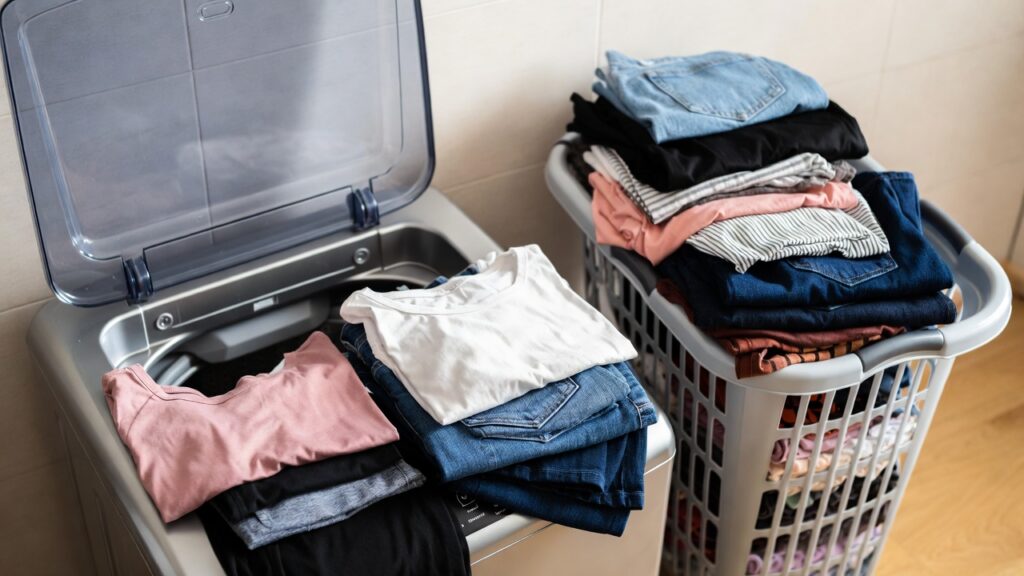
Not every piece of clothing needs professional cleaning. In fact, many everyday fabrics are made to handle water, detergent, and regular washing without getting damaged. That is why understanding what needs dry cleaning and what doesn’t is so helpful. Some fabrics are strong, flexible, and designed for daily wear, so washing them at home is completely safe.
These fabrics do not shrink easily, lose shape quickly, or react badly to water. As long as you follow basic washing instructions like using the right temperature and mild detergent, there is very little risk of ruining them. Knowing what needs dry cleaning and what doesn’t saves you both time and money.
Fabrics That Can Be Washed at Home
1. Cotton
Cotton is strong and breathable. It handles water well and does not lose shape easily. Most cotton clothes can go straight into the washing machine without worry.
2. Polyester
Polyester is durable and resistant to shrinking. It dries quickly and keeps its shape even after multiple washes, making it easy to care for at home.
3. Denim
Denim is thick and tough. It can easily handle machine washing. Just turn it inside out to protect the color.
4. Linen
Linen is natural and washable, though it may wrinkle. Cold water washing keeps it safe and fresh.
5. Synthetic Blends
Blended fabrics are usually designed for convenience. They are less likely to shrink or stretch, which makes home washing simple.
At the end of the day, once you understand what needs dry cleaning and what doesn’t, fabric care becomes much easier. Many everyday clothes are made for home washing, and with basic care, they will last a long time.
Still unsure? The simplest way to decide is by checking the care label.
How Do You Read Fabric Care Labels Correctly?
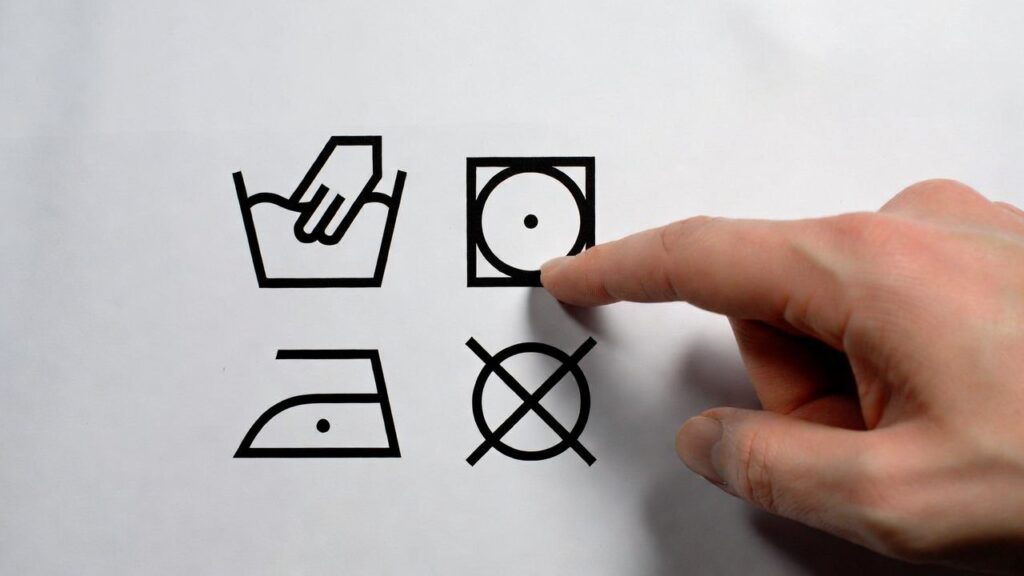
Most people ignore fabric care labels. We buy clothes, cut the tag off, and throw it away. But that small label actually tells you everything you need to know about how to care for your clothes.
Reading care labels matters because it helps you understand what needs dry cleaning and what doesn’t.
But first let’s understand what a care label is
What Is a Care Label?
A care label is the small tag stitched inside your clothes that tells you how to wash and take care of them. It usually includes washing symbols, drying instructions, ironing limits, and whether the item needs dry cleaning.
In simple words, the care label is your clothing’s instruction manual. It helps you understand what needs dry cleaning and what doesn’t so you do not accidentally damage the fabric. Taking a quick look at it before washing can save your clothes from shrinking, fading, or losing their shape.
When you know what needs dry cleaning and what doesn’t, you avoid costly mistakes and make your clothes last longer.
How to Read Care Labels
Fabric care labels use small symbols instead of long instructions. Here is how to understand them in simple terms:
• A bucket symbol means the item can be washed in water. The number inside shows the maximum temperature.
• A crossed out bucket means do not wash with water. This usually means it falls under what needs dry cleaning and what doesn’t.
• A circle symbol stands for dry cleaning. If there is a letter inside the circle, it guides professionals on the cleaning method.
• A triangle symbol refers to bleach. If it is crossed out, avoid bleach completely.
• A square with a circle inside relates to drying instructions. Dots inside show heat levels.
These small signs clearly tell you what needs dry cleaning and what doesn’t without confusion.
Taking a few seconds to read the care label can save you from ruining your favorite clothes. It is the easiest way to understand what needs dry cleaning and what doesn’t before you toss something into the washing machine. A little attention now can keep your clothes looking new for much longer.
Now comes the question most people secretly ask. Can you ignore the label and wash it anyway?
Can You Wash “Dry Clean Only” Clothes at Home?
https://share.google/dCseapWMW1bCVoQQB
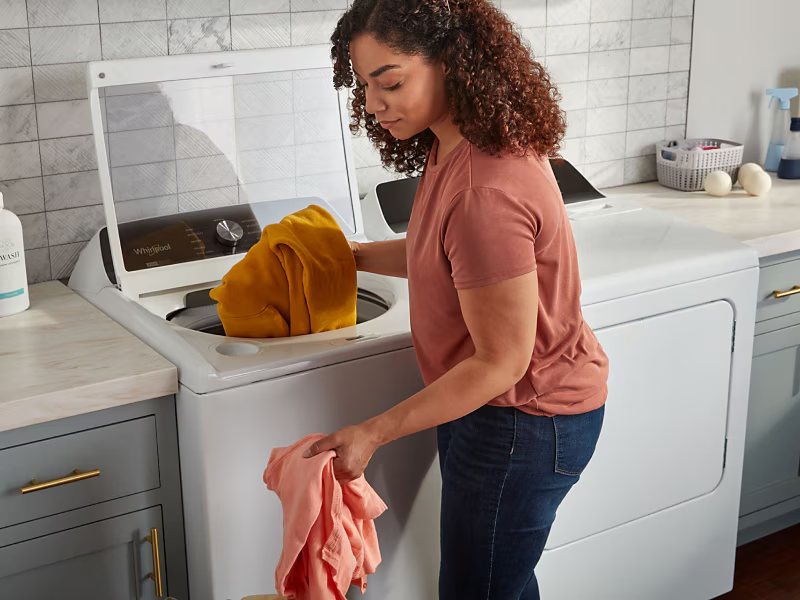
Some “dry clean only” clothes may survive a gentle hand wash, especially if the fabric is strong. But many delicate or structured garments can easily get damaged. That is why understanding what needs dry cleaning and what doesn’t is so important before you experiment.
When a label says dry clean only, it usually means the fabric, stitching, lining, or structure may not react well to water, heat, or spinning.
What Happens If You Wash Dry Clean Only Clothes at Home
Here are some common things that can happen:
• Shrinking
Fabrics like wool and silk can shrink when exposed to water and heat.
• Loss of Shape
Blazers, suits, and structured dresses can lose their fit because inner linings and padding get disturbed.
• Color Bleeding
Some fabrics release dye in water, which can ruin the garment’s look.
• Fabric Damage
Delicate materials may become rough, stiff, or lose their shine after washing.
• Wrinkles That Don’t Go Away
Certain fabrics wrinkle badly and are hard to restore without professional pressing.
These risks clearly show the difference between what needs dry cleaning and what doesn’t.
Why You Should Avoid Washing Them at Home
Even if the garment looks fine after one wash, damage can build up slowly. The fabric may weaken, seams may loosen, and the overall quality may drop. You might not notice it immediately, but over time, the garment will not look the same.
When you understand what needs dry cleaning and what doesn’t, you protect your clothes from unnecessary damage. Professional dry cleaning uses methods that clean the fabric without soaking it in water, which keeps the structure and texture safe.
Yes, it may be tempting to wash dry clean only clothes at home. But it is always a gamble. Knowing what needs dry cleaning and what doesn’t helps you make smarter decisions and avoid costly mistakes. When in doubt, it is safer to follow the label and protect your favorite outfits.
And even if the label does not say dry clean only, delicate fabrics still need extra attention.
What Happens If You Machine Wash Delicate Fabrics?
https://share.google/3xhoSLwDOvflnGler
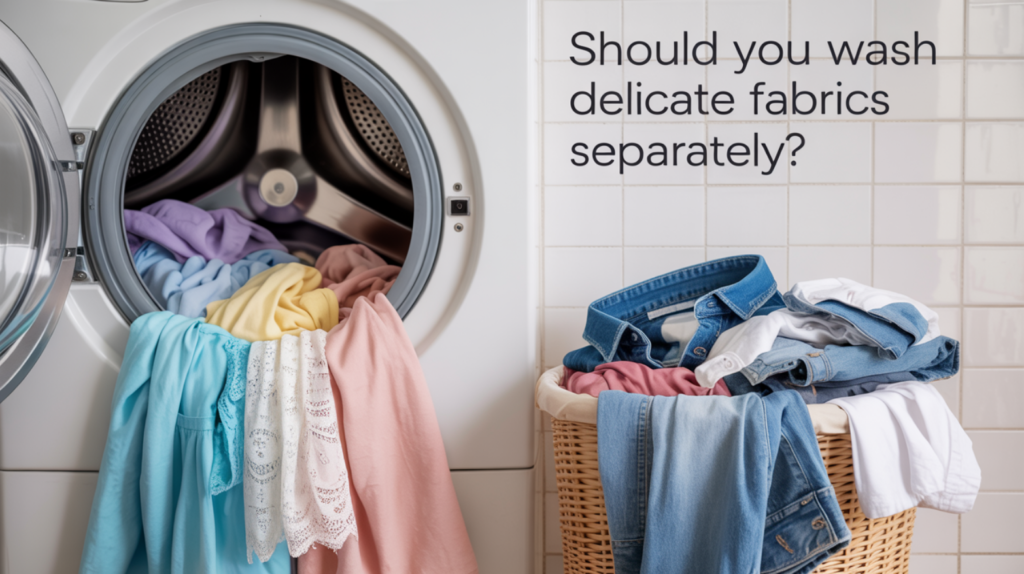
It might seem harmless to toss delicate clothes into the washing machine. After all, it is quick and easy. But delicate fabrics are not built to handle strong spinning, heavy water flow, or heat. That is why understanding what needs dry cleaning and what doesn’t is so important before pressing the start button.
Delicate fabrics like silk, wool, lace, chiffon, or embellished garments react very differently compared to cotton or polyester. They are softer, lighter, and more sensitive to friction and moisture. Machine washing can easily change how they look and feel.
What Can Go Wrong?
Here is what usually happens when delicate fabrics are machine washed:
• Shrinking
Some fabrics tighten and shrink when exposed to water and heat.
• Stretching or Losing Shape
Soft materials can lose their original fit because the spinning motion pulls on the fibers.
• Color Fading or Bleeding
Delicate dyes may bleed in water, especially if washed with other clothes.
• Damage to Texture
Fabrics like velvet or silk can lose their smooth finish and feel rough.
• Loose Embellishments
Beads, sequins, and embroidery may come off during the wash cycle.
These problems happen because the washing machine uses strong movement and water pressure, which delicate materials simply cannot handle.
When you understand what needs dry cleaning and what doesn’t, you avoid these risks and keep your clothes looking new for longer. Delicate fabrics often need gentle care or professional cleaning to maintain their shape and quality.
In simple words, not everything belongs in the washing machine. A little extra care today can save you from replacing expensive clothes tomorrow.
So now that you know what needs dry cleaning and what doesn’t, the next question is how often should you actually do it?
How Often Should You Dry Clean Suits, Sarees, and Winter Coats?
Also see: Best Fabric Care Tips for Woollen Clothes in Delhi Winters
https://share.google/OjiqU3U9WaZXwc9WX
This is something most of us get confused about. We either dry clean too often and spend extra money, or we wait too long and let stains and odors settle in. If you are trying to understand what needs dry cleaning and what doesn’t, frequency is just as important as the method.
The truth is, not every wear means you need a trip to the cleaners. It depends on how often you use the garment, the weather, and whether there are visible stains or smells.
Let’s keep it simple.
Suits
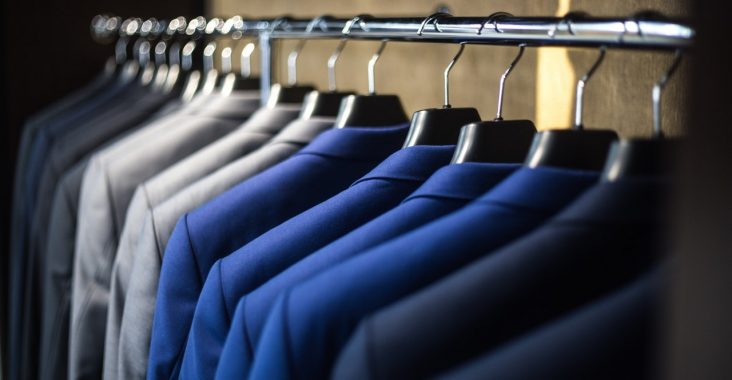
If you wear a suit regularly to work, dry cleaning every 3 to 4 wears is usually enough, unless there is a spill. Over dry cleaning can weaken the fabric, so balance is key. If it is an occasional suit, once every few months works fine.
Sarees
Heavy silk or embroidered sarees should be dry cleaned after every big event. Light sarees worn for a few hours can be aired out and cleaned only if needed. This is where understanding what needs dry cleaning and what doesn’t really helps protect delicate fabrics.
Winter Coats
Winter coats do not need frequent cleaning. Once at the end of the season is usually enough, unless there are stains. Coats collect dust and body oils over time, so one proper clean before storage keeps them fresh.
Many people also wonder about the best way to remove stains from delicate formal wear. In most cases, professional cleaning is safer than trying to fix it at home, especially when you are unsure about what needs dry cleaning and what doesn’t.
Dry cleaning is about smart timing, not overdoing it. Clean when necessary, not after every wear. If you are unsure, it is always safer to trust professionals who understand fabric care. A reliable service like VANZOO can help maintain your suits, sarees, and winter coats without damaging them, so you never have to second guess what needs dry cleaning and what doesn’t.
But frequency is only part of the story. Sometimes the situation matters more than the schedule.
When Should You Choose Dry Cleaning Instead of Regular Washing?
We all prefer regular washing. It is quick, easy, and something we can do at home. But sometimes, regular washing is not the safest option. If you are trying to understand what needs dry cleaning and what doesn’t, knowing when to choose professional cleaning makes a big difference.
Water, heat, and strong spinning can damage certain fabrics. Some clothes are delicate. Some have structure. Some have heavy embroidery or lining that reacts badly to moisture. In these cases, dry cleaning is the safer choice.
Here are situations where you should choose dry cleaning instead of regular washing.
• When the Label Says “Dry Clean Only”
This is the most obvious sign. The manufacturer already tested the fabric. Ignoring the label can lead to shrinking, fading, or shape loss.
• For Delicate Fabrics Like Silk or Wool
These fabrics can shrink or lose texture in water. If you are unsure about what needs dry cleaning and what doesn’t, delicate fabrics usually fall on the dry cleaning side.
• For Structured Clothing
Blazers, suits, and formal dresses have inner linings and padding. Regular washing can ruin their shape completely.
• For Heavy Stains
Oil based stains, grease, or makeup can be difficult to remove with water alone. Professional cleaning often handles these better.
• For Embroidered or Embellished Outfits
Sequins, beads, and detailed work can loosen or break during machine washing.
• For Seasonal Storage Cleaning
Before storing winter coats or special outfits for months, dry cleaning helps remove hidden dirt and body oils.
Understanding what needs dry cleaning and what doesn’t helps you avoid expensive mistakes. Regular washing works well for everyday fabrics, but dry cleaning is the safer choice for delicate, structured, or valuable garments.
Choosing dry cleaning is not about being extra careful. It is about protecting your clothes. When in doubt, especially with expensive or delicate items, professional cleaning can save you from damage. Knowing what needs dry cleaning and what doesn’t keeps your wardrobe looking fresh and lasting longer.
Even when we know the rules, small mistakes can still damage our clothes.
What Are the Most Common Fabric Care Mistakes That Damage Clothes?– Vanzoo Explains
Also see: 5 Mistakes That Ruin Expensive Clothes

https://share.google/EPyhAD5LF5onaK7F4
Most of us think we are taking good care of our clothes. We wash them, dry them, and fold them. But small mistakes in daily care can slowly ruin fabric without us even noticing. That is why understanding what needs dry cleaning and what doesn’t is so important.
Many fabric problems like shrinking, fading, or losing shape happen because of simple habits. Let’s talk about the most common mistakes people make.
1. Ignoring the Care Label
This is the biggest mistake. The label clearly tells you what needs dry cleaning and what doesn’t. Skipping it can lead to shrinking, color bleeding, or fabric damage.
2. Using Hot Water for Everything
Hot water feels like it cleans better, but it can shrink delicate fabrics and fade colors. Not every fabric can handle heat.
3. Overusing Detergent
More detergent does not mean cleaner clothes. It can leave residue, make fabric stiff, and even cause discoloration over time.
4. Mixing Heavy and Delicate Fabrics
Washing jeans with silk tops or delicate items can cause friction damage. Heavy fabrics rub against lighter ones and weaken them.
5. Overloading the Washing Machine
When the machine is too full, clothes do not rinse properly. This increases wear and tear on the fabric.
6. Using High Heat in the Dryer
High heat can shrink cotton, damage elastics, and weaken fibers. Many clothes that fall under what needs dry cleaning and what doesn’t category get ruined in the dryer, not the washer.
7. Washing “Dry Clean Only” Clothes at Home
Trying to save time or money can backfire. Some fabrics are simply not designed for water washing.
How to Prevent Your Clothes from Getting Damaged
- Check the care label before washing
- Separate heavy and delicate fabrics
- Use cold water whenever possible
- Avoid overloading the washing machine
- Skip high heat drying for delicate items
- Follow what needs dry cleaning and what doesn’t before cleaning
Most fabric damage happens because of small, avoidable mistakes. Once you understand what needs dry cleaning and what doesn’t, it becomes easier to care for your clothes the right way. A little attention today can help your favorite outfits last much longer.
At the end of the day, fabric care is all about making smart choices.
Conclusion
Taking care of your clothes does not have to be confusing. Once you understand what needs dry cleaning and what doesn’t, everything becomes much simpler. Some fabrics are strong enough for regular washing, while others need a little extra care to stay in good shape.
The key is paying attention to fabric type, care labels, and how often you wear your clothes. When you know what needs dry cleaning and what doesn’t, you avoid shrinking, fading, and costly damage. A little awareness can help your favorite outfits last for years.
And if you are ever unsure, it is always safer to trust professionals. A reliable dry cleaning service like VANZOO can handle delicate, structured, or expensive garments properly, so you never have to guess what needs dry cleaning and what doesn’t.