
- Introduction
- Washing Symbols Explained: Temperature, Cycles & Water Settings
- Drying Symbols Guide: What Does Air Dry Mean?
- Ironing Symbols Explained: What Heat Setting Should You Use?
- Bleach Symbols on Clothing: When Is It Safe to Use Bleach?
- Dry Clean Only Meaning: Understanding Professional Cleaning Symbols
- How to Read Fabric Care Labels Based on Material Type
- Common Mistakes When Reading Clothing Care Labels
- Eco-Friendly Laundry Tips Based on Care Labels
- Conclusion
Introduction
Clothing care labels may look small and confusing, but they carry important instructions that protect your garments. Learning How to read care labels correctly helps you avoid shrinking, fading, and fabric damage. Once you understand the basic symbols and guidelines, caring for your clothes becomes simple, quick, and stress-free.
In this blog we will be discussing different kinds of symbols and what they mean, so that you don’t have to experiment with your clothes anymore.
Now that you understand why care labels matter, let’s break down each symbol step by step.
How to read care labels correctly
Care labels and laundry symbols may look confusing at first, but they are actually simple guides that tell you how to wash, dry, and care for your clothes properly. Learning how to read care labels correctly helps prevent shrinking, fading, and damage.
What Do Care Label Symbols Mean?
When you understand How to read care labels correctly, each symbol becomes easy to follow:
- Washing Symbol (Bucket Icon): Shows if the item can be machine washed and at what temperature. A hand in the bucket means hand wash only.
- Drying Symbol (Square Icon): A circle inside means tumble dry. Dots inside show heat level.
- Ironing Symbol (Iron Icon): Dots inside the iron indicate low, medium, or high heat.
- Bleach Symbol (Triangle): A plain triangle means bleach is safe. A crossed triangle means do not bleach.
- Dry Cleaning Symbol (Circle): Letters inside tell professionals how to clean the garment.
With this knowledge of what each icon means, caring for your garments becomes quick, easy, and stress-free.Let’s start with the most commonly misunderstood part, washing instructions.
Washing Symbols Explained: Temperature, Cycles & Water Settings
https://share.google/wTrYhVyVNoV7tr6uW
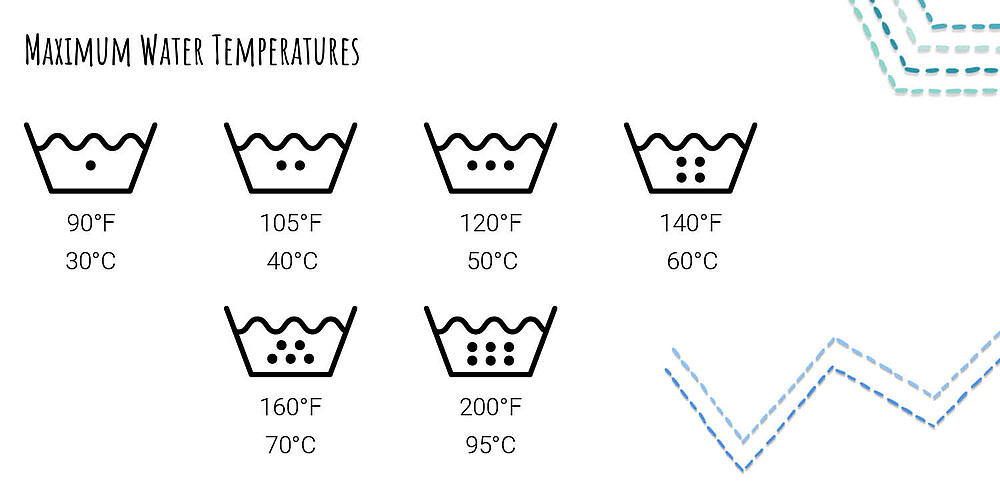
Washing symbols might look technical, but they’re actually simple. Learning How to read care labels correctly starts with understanding the small bucket icon, because that’s where most laundry mistakes happen.
- Water Temperature (Number Inside the Bucket):
The number (like 30°C or 40°C) tells you the maximum safe washing temperature. Lower temperatures protect delicate fabrics and prevent shrinking. - Wash Cycle Lines (Under the Bucket):
One line means use a gentle cycle. Two lines mean extra delicate. No line means a normal wash cycle is fine. - Hand in the Bucket:
This means hand wash only, the fabric is too delicate for a machine. - Crossed-Out Bucket:
Do not wash with water at all. The item likely needs dry cleaning.
By following these instructions you will get comfortable with these symbols, How to read care labels correctly becomes second nature. Paying attention to temperature and cycle settings can make a big difference in keeping your clothes looking new for longer.
Washing is only half the process. Drying mistakes can damage clothes even faster.
Drying Symbols Guide: What Does Air Dry Mean?
https://share.google/GnRzEikldkF1AtVzh
Drying symbols matter more than most people think. Many clothes get damaged not during washing, but during drying. Shrinking, fading, and fabric weakening often happen because we ignore the care label. If you want to master How to read care labels correctly, understanding drying symbols is just as important as washing instructions.
What Does the Air Dry Symbol Look Like?
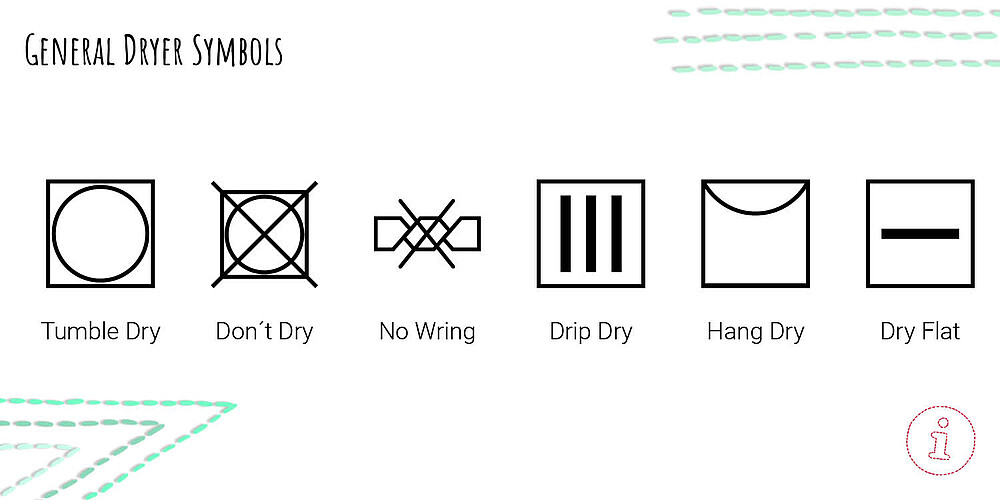
The tumble dry symbol is a square with a circle inside. This simply means the garment can go in the dryer. If there are dots inside the circle, they tell you the heat level to use. Learning this small detail is a key part of How to read care labels correctly.
What Do the Dots Inside Mean?
- One dot = Low heat
- Two dots = Medium heat
- Three dots = High heat
The more dots you see, the more heat is allowed. Using higher heat than recommended can shrink or damage fabric. That’s why understanding these dots helps you practice How to read care labels correctly and avoid costly mistakes.
What Does “Do Not Tumble Dry” Mean?
If you see the tumble dry symbol crossed out, it means do not put the item in the dryer. Heat can ruin the fabric, cause shrinkage, or weaken the fibers. In this case, air drying is the safer option.
What About Air Dry Symbols?
A plain square (without a circle) usually gives air-drying instructions. It may show:
- A horizontal line = Dry flat
- A vertical line = Hang to dry
- Three vertical lines = Drip dry
These symbols guide you on the safest way to dry delicate clothes.
Drying symbols may seem small, but they play a big role in protecting your clothes. Once your basics are cleared, How to read care labels correctly becomes simple and practical. Paying attention to drying instructions helps your clothes keep their shape, color, and quality for much longer.
Once your clothes are clean and dry, the next step is ironing and this is where heat settings matter.
Ironing Symbols Explained: What Heat Setting Should You Use?
https://share.google/haktpfWYBL4jS5ocj
Ironing symbols are easy to overlook, but they can save your clothes from burns, shine marks, and fabric damage. Too much heat can permanently ruin delicate materials. If you truly want to understand How to read care labels correctly, knowing what those small iron icons mean is essential.
What Does the Iron Symbol Look Like?
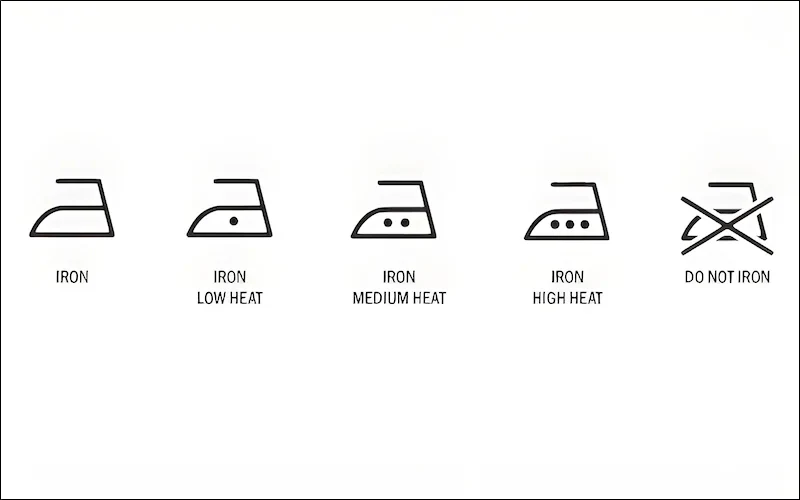
The ironing symbol looks like a small iron shape. If there are dots inside it, those dots tell you the maximum heat level you can safely use. Learning to spot this symbol is an important step in How to read care labels correctly.
What Do the Dots Inside the Iron Mean?
- One dot = Low heat (best for delicate fabrics like silk or synthetics)
- Two dots = Medium heat (good for polyester blends and wool)
- Three dots = High heat (safe for sturdy fabrics like cotton or linen)
Using more heat than recommended can scorch fabric. That’s why paying attention to these dots helps you practice How to read care labels correctly with confidence.
What Does “Do Not Iron” Mean?
If the iron symbol is crossed out, it means do not iron the garment at all. Heat can melt or permanently damage the material. In this case, steaming lightly (if allowed) or hanging the item properly may help remove wrinkles.
What About the No Steam Symbol?
If you see an iron with steam lines crossed out, it means do not use steam. Some fabrics can get water spots or lose shape when exposed to steam.
After decoding these symbols, ironing symbols are simple. When you follow the recommended heat settings, your clothes stay smooth without damage. Mastering these symbols makes How to read care labels correctly easier and helps your garments look neat and last longer.
Apart from washing and ironing, chemical use is another area where people make mistakes.
Bleach Symbols on Clothing: When Is It Safe to Use Bleach?
https://share.google/fOKUanreWW0XHIGlL
Bleach symbols are important because bleach is a strong chemical. If used the wrong way, it can fade colors, weaken fabric, or even create holes in your clothes. That’s why understanding the bleach symbol is an important part of How to read care labels correctly.
Which Fabrics Can Handle Bleach?
Some fabrics are strong enough to handle bleach, especially white and durable materials like:
- Cotton
- Linen
- Some polyester blends (if label allows)
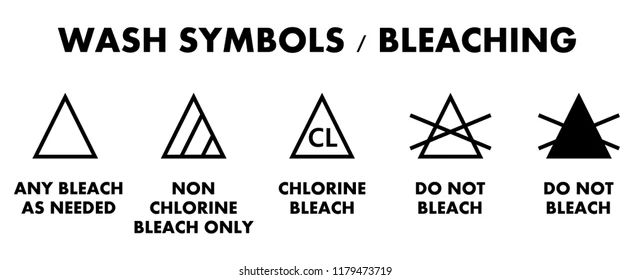
These fabrics can usually tolerate bleach if the care label shows a plain triangle.
Which Fabrics Should Not Be Bleached?
Delicate or colored fabrics are often damaged by bleach, such as:
- Wool
- Silk
- Spandex
- Rayon
- Dark or bright-colored garments
Bleach can weaken these fabrics or remove their color completely. That’s why learning How to read care labels correctly helps you avoid accidental damage.
When to Avoid Bleach
You should avoid bleach in these situations:
- Triangle symbol is crossed out – This clearly means do not bleach.
- Garment is colored or patterned – Bleach may cause uneven fading.
- Fabric is delicate – Materials like silk or wool can break down easily.
- You’re unsure about fabric blend – Mixed fabrics may react unpredictably.
Ignoring these signs can permanently damage your clothes. Some garments, however, require more than home care.
When Is It Safe to Use Bleach?
It’s generally safe to use bleach when:
- The label shows a plain triangle symbol.
- The garment is white and made of strong fabric like cotton.
- The symbol shows lines inside the triangle (this means non-chlorine bleach only).
- You follow the recommended dilution instructions.
Understanding these small details makes How to read care labels correctly much easier and protects your clothes from unnecessary damage.
Dry Clean Only Meaning: Understanding Professional Cleaning Symbols
https://share.google/28ZEOHxz0w6GJVM11
Dry Clean Only” is one of the most common instructions you’ll see on clothing tags. That’s because many modern garments are made from delicate fabrics, structured designs, or blended materials that don’t react well to regular washing. Understanding this is an important step in learning How to read care labels correctly.
Dry cleaning is often recommended because water, heat, and spinning in a washing machine can:
- Shrink natural fibers like wool
- Distort structured items like blazers or coats
- Damage delicate fabrics like silk
- Cause colors to bleed or fade
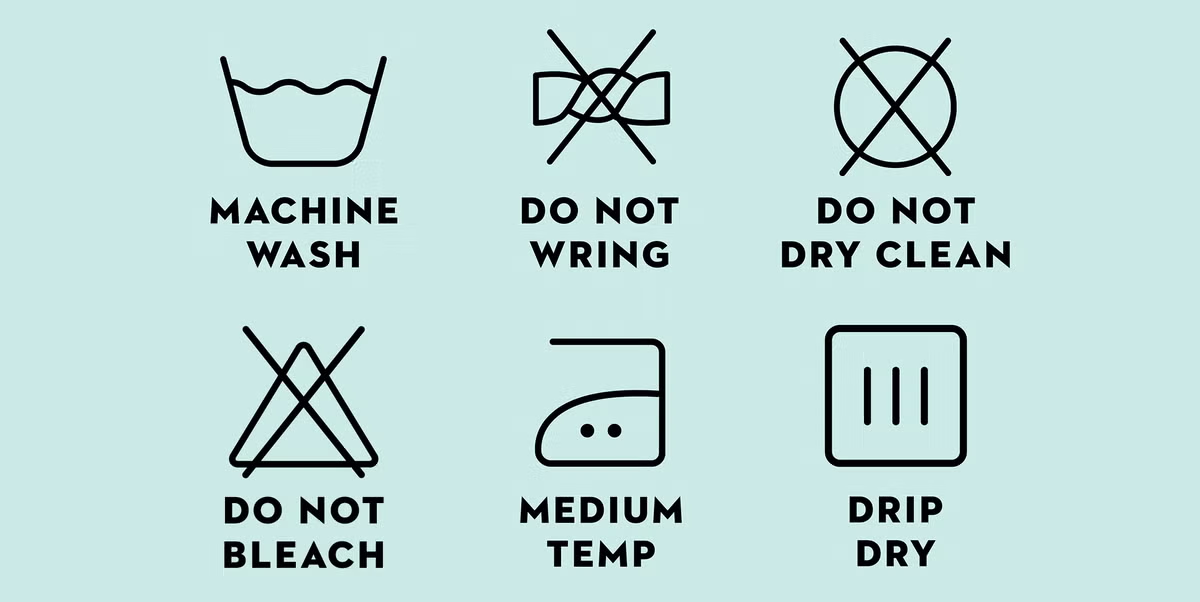
The dry cleaning symbol looks like a circle. Sometimes it has letters inside (like P or F), which guide professional cleaners on which solvent to use. If the circle is crossed out, it means do not dry clean.
You’ll see “Dry Clean Only” frequently because many formal, office, and special-occasion clothes are not built to handle regular washing. Suits, dresses, jackets, and tailored pieces often need professional care to keep their shape and finish.
When you understand why this symbol appears so often, How to read care labels correctly becomes much clearer. It’s simply about protecting fabric quality, structure, and long-term wear, so your clothes stay looking sharp and well-maintained. Services like VANZOO take care of your clothes so that you don’t end up wasting your time trying to figure out these symbols.
How to Read Fabric Care Labels Based on Material Type
Reading fabric care labels is important because every material reacts differently to water, heat, and detergents. What works for cotton may completely ruin silk or wool. If you truly want to understand How to read care labels correctly, you need to pay attention to the fabric type mentioned on the tag.
How to Read Care Labels
To master How to read care labels correctly, start by checking the fabric composition and then match it with the care symbols. Here’s how common fabrics are usually labeled and handled:
1. Cotton
Cotton is strong and usually machine washable. Most labels allow warm water and medium to high heat drying. However, cotton can shrink if washed or dried at very high temperatures.
2. Wool
Wool is delicate and sensitive to heat. Care labels often recommend hand wash, cold water, or dry clean only. High heat can cause wool to shrink or lose its shape.
3. Silk
Silk is very delicate. Many labels suggest hand wash in cold water or dry clean only. Harsh detergents and high heat can damage its smooth texture.
4. Polyester
Polyester is durable and easy to maintain. Most labels allow machine wash in warm or cold water. Low to medium heat drying is usually recommended to avoid melting fibers.
5. Linen
Linen is breathable but wrinkles easily. Labels often allow machine washing in cold or lukewarm water. Air drying is commonly suggested to prevent shrinkage.
Different fabrics need different care, and that’s why paying attention to material type matters. Once you understand how each fabric behaves, How to read care labels correctly becomes simple and practical. Taking a few seconds to check the label can help your clothes last much longer and look better over time.
But what happens when your clothes come from international brands?
Common Mistakes When Reading Clothing Care Labels– Vanzoo Explains
Many people feel that checking care labels takes too much time and effort. When you’re busy, it’s easy to toss clothes into the machine without reading the tag. The symbols can look confusing, and not everyone knows what they mean. That’s why mistakes are so common. But learning How to read care labels correctly only takes a few seconds — and it can save your clothes from damage.
5 Common Mistakes When Reading Clothing Care Labels
1. Ignoring the Temperature Setting
People often wash everything in hot water. This can cause shrinking, fading, or fabric damage if the label recommends cold or gentle wash.
2. Using High Dryer Heat for All Clothes
High heat may dry clothes faster, but it can shrink cotton, weaken fibers, and damage delicate fabrics.
3. Misunderstanding the Bleach Symbol
Some assume a triangle always means bleach is safe. But lines inside the triangle mean only non-chlorine bleach is allowed.
4. Skipping “Dry Clean Only” Instructions
Trying to machine wash dry-clean-only garments can ruin their shape and texture.
5. Not Checking Fabric Type
Different materials need different care. Ignoring fabric composition makes it harder to practice How to read care labels correctly.
How to Avoid These Care Label Mistakes
Avoiding laundry mistakes doesn’t require extra effort — it just requires a little attention. Once you build the habit, How to read care labels correctly becomes quick and automatic.
- Read the label before the first wash
- Sort clothes by fabric type
- Follow the recommended temperature
- Use the correct dryer setting
- Keep a simple care symbol guide handy
Making these mistakes is common, especially when you’re in a hurry. But once you slow down and learn How to read care labels correctly, caring for your clothes becomes simple. A quick look at the label can help your clothes last longer and look better every time you wear them.
Eco-Friendly Laundry Tips Based on Care Labels
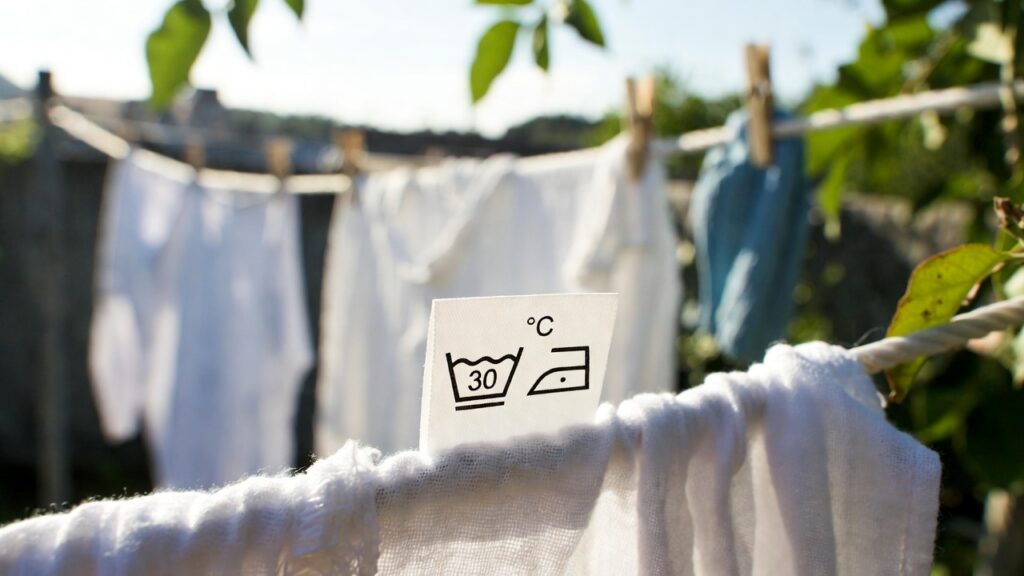
Many clothes today include eco-friendly tips on their care labels because brands want to reduce water, energy, and chemical use. These tips usually suggest lower temperatures, gentle cycles, or air drying. When you understand How to read care labels correctly, you’ll notice that many instructions are not just about protecting fabric, they also help protect the environment.
Eco-Friendly Laundry Tips
Wash in Cold Water
Most care labels recommend 30°C or cold wash. This saves electricity and prevents fabric damage at the same time.
Air Dry When Possible
If the label allows line drying or flat drying, skip the dryer. This reduces energy use and keeps clothes from shrinking.
Use Gentle Cycles
A gentle or delicate cycle uses less agitation, which protects fabric and reduces microfiber shedding.
Avoid Unnecessary Bleach
Only use bleach when the label allows it. Overusing chemicals harms both fabric and the environment.
Eco-friendly instructions on care labels are simple but powerful. When you learn How to read care labels correctly, you not only make your clothes last longer but also reduce waste and energy use. Small laundry habits can make a big difference over time.
Let’s quickly recap why paying attention to care labels makes such a difference.
Conclusion
Understanding laundry symbols may seem small, but it makes a big difference in how long your clothes last. When you learn How to read care labels correctly, you protect your garments from shrinkage, fading, and unnecessary damage. A few seconds spent checking the label can save you money and keep your outfits looking fresh for years.
And when a label says “Dry Clean Only,” trusting professionals is always the safest choice. Brands like VANZOO make it easier to care for delicate and premium garments without the stress of damaging them at home.