
- Introduction
- Can You Store Your Bridal Lehenga After Dry Cleaning?
- Can I Vacuum Pack My Bridal Lehenga?
- Can Humid Weather Ruin a Lehenga Even After Dry Cleaning?
- How to Protect in Humid Weather
- Common Mistakes to Avoid When Storing a Bridal Lehenga
- Conclusion: Care After Cleaning Is What Preserves the Lehenga
1. Introduction
A lehenga isn’t just an outfit, it’s a memory. Whether it’s your bridal lehenga or a heavily embroidered heirloom piece, what you do after dry cleaning plays a huge role in how well it ages. Many people assume dry cleaning is the final step, but in reality, how you store lehenga after dry-cleaning matters just as much.
Just small, mindful steps that help your lehenga breathe, stay in shape, and retain its colour and embroidery. With the right folding, breathable storage, and occasional checks, you can protect your lehenga from dust, moisture, and wear, so it looks just as beautiful years later as it did the first time you wore it.
2. Can You Store Your Bridal Lehenga After Dry Cleaning?
Source: https://in.pinterest.com/pin/119204721382913583/
Yes, absolutely, but how you store it makes all the difference.
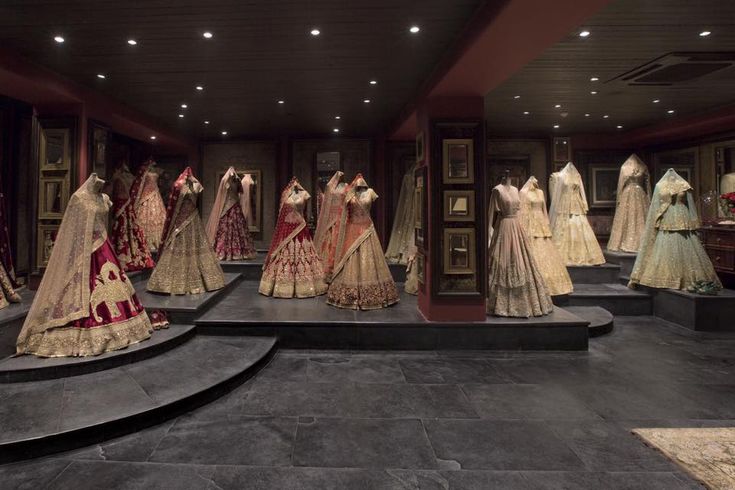
Dry cleaning removes stains and odours, but bridal lehengas are heavy, delicate, and often hand-embroidered. Improper storage can cause creases, colour transfer, fabric stress, or embroidery damage.
How to Store a Heavy-Embroidered Lehenga Properly
- Always fold, don’t hang the skirt
Heavy embroidery pulls fabric downward when hung, causing distortion. - Layer with soft fabric
Place butter paper or unbleached cotton cloth between folds to prevent friction. - Keep embroidery facing inward
This reduces exposure to air, moisture, and light.
For heavy embroidery, understanding how to store lehenga after dry cleaning is essential to prevent fabric strain and embroidery damage.
Tips for Folding a Heavy-Can Lehenga
- Fold along existing seams, never force sharp creases
- Avoid folding the same way every time, rotate folds every few months
- Support the waistband with extra padding
Proper folding matters because how to store lehenga after dry cleaning directly impacts creases, structure, and longevity.
Should You Hang the Blouse or Dupatta?
- Light blouses can be hung using padded hangers
- Dupattas should be rolled loosely, not folded sharply
Proper folding and gentle support help preserve both shape and embroidery. Ultimately, how you store lehenga after dry-cleaning determines whether a bridal piece stays pristine or slowly loses its shape and finish. Knowing what to hang and what to fold is key, as how to store lehenga after dry cleaning affects delicate blouse and dupatta details.
3. Can I Vacuum Pack My Bridal Lehenga?
Vacuum packing may seem like a space-saving solution, but it’s not ideal for lehengas.
- Compression can crush embroidery and zari
- Lack of airflow may trap moisture
- Long-term pressure weakens fabric fibres
If space is limited, breathable storage is a much safer option than vacuum sealing, especially for heavy clothes like lehengas. The best choices are muslin or cotton fabric covers, soft cloth garment bags, or neatly folded storage in a cotton-lined box.
These materials allow air to circulate, which helps release trapped moisture and prevents musty smells, mildew, and fabric yellowing.
Why Breathable storage works better:
Reduces fabric pressure
Breathable storage allows heavy garments to rest naturally without being tightly compressed.
Protects embroidery and zari
Prevents flattening or breaking of delicate threads, sequins, and embellishments.
Maintains natural shape
The lehenga retains its original fall and structure over time.
Allows air circulation
Helps release trapped moisture and prevents musty smells or mildew.
Shields from dust safely
Keeps the garment clean without trapping humidity.
Ideal for long-term storage
Preserves fabric quality and detailing without causing damage.
After dry cleaning, what’s the best way to store heavy embroidered clothes?
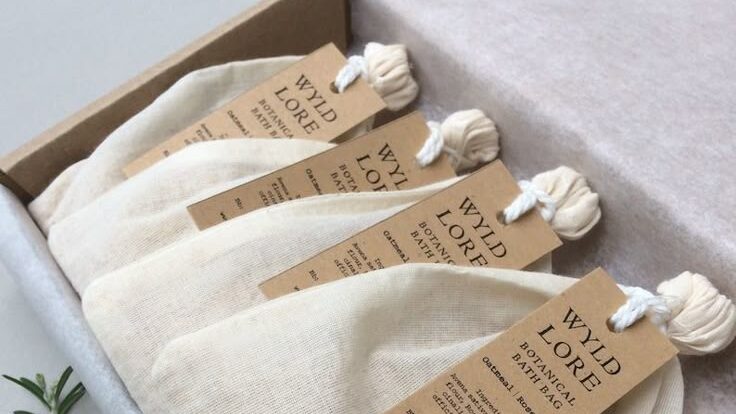
Muslin covers are always a safer choice for heavy embroidered clothes than plastic bags. Muslin allows air to circulate, which prevents moisture build-up, odour, and fabric yellowing, while plastic traps humidity and can damage embroidery over time.
For long-term care, removing the plastic cover and switching to a breathable muslin cover helps keep your outfit fresh and well-preserved. Muslin covers are always the better choice.
Why Muslin Wins Over Plastic
Source: https://in.pinterest.com/pin/211528513745154499/
- Allows air circulation
- Prevents moisture build-up
- Protects fabric from yellowing
- Keeps embroidery safe
Plastic covers, especially the ones from dry cleaners, can:
- Trap humidity
- Cause odour
- Lead to fabric discoloration
Always remove plastic covers and switch to muslin or cotton storage bags.
Also see: How Often You Should Dry Clean Expensive Designer Clothes
4. Can Humid Weather Ruin a Lehenga Even After Dry Cleaning?
Yes, humid weather can still damage a lehenga even after dry cleaning. Moisture in the air can get trapped in the fabric, especially in heavy embroidery, leading to musty smells, mold, or tarnishing of zari and threads.
Without proper ventilation and moisture control, humidity slowly weakens the fabric and dulls its shine, so keeping the lehenga in a dry, breathable space is just as important as cleaning it.
Even freshly dry-cleaned lehengas can suffer if stored in damp conditions.
Humidity can cause:
- Mold or mildew
- Zari tarnishing
- Fabric stiffness or smell
5. How to Protect in Humid Weather
- Store in a cool, dry cupboard
- Use silica gel or neem leaves (wrapped in cloth)
- Air the lehenga every 3–4 months
Dry cleaning helps remove dirt, stains, and oils from the lehenga, but it doesn’t protect the fabric from environmental damage afterward. Humidity, if not controlled, can slowly harm the material, dull the embroidery, and cause moisture-related issues over time.
That’s why managing humidity through proper storage and ventilation is essential, it truly helps preserve the lehenga’s beauty and condition in the long run.
6. Common Mistakes to Avoid When Storing a Bridal Lehenga

Source: https://in.pinterest.com/pin/475763148148322605/
Many lehengas don’t get ruined from being worn too often, they get damaged because they’re stored the wrong way.
Even a beautifully cleaned lehenga can lose its charm if it’s folded carelessly, kept in the wrong cover, or stored in a damp space.
Simple storage mistakes like leaving it in plastic, hanging a heavy skirt for too long, or ignoring humidity can slowly weaken the fabric and embroidery. With a little attention and the right storage habits, these issues can be avoided, helping your lehenga stay fresh, safe, and beautiful for years.
Avoid these:
Plastic Storage
Leaving a lehenga in plastic covers can trap moisture and heat. Over time, this can cause fabric yellowing, unpleasant odours, and damage to embroidery, even if the lehenga was freshly dry cleaned.
Excess Hanging
Hanging heavy skirts for long periods puts constant pressure on the waistband and fabric. This can stretch the lehenga, distort its shape, and strain the embroidery due to its weight.
Unclean Storage
Storing a lehenga without cleaning it after wear allows sweat, oils, and invisible stains to settle into the fabric. These residues can darken, attract pests, and become permanent over time.
Tight Folding
Folding a lehenga too tightly or stacking heavy items on top creates deep creases and stress points. This can weaken the fabric and flatten intricate embroidery.
Poor Ventilation
Ignoring airflow and moisture control can expose the lehenga to humidity. This increases the risk of mold, musty smells, and tarnishing of zari and embellishments.
How to Handle Common Stains on Heavy Embroidered Clothes at Home
When heavy embroidered clothes get stained, the key is to act gently and quickly. Always blot the stain with a clean cloth instead of rubbing, as rubbing can push the stain deeper and damage the embroidery.
For light food or sweat stains, a small amount of mild detergent or cold water can be used on the fabric area only, avoiding applying anything directly on zari, sequins, or threads.
Common Stains You Can Pre-Treat at Home
Curry or food stains
- Lightly blot with cold water
- Apply a mild liquid detergent on fabric-only areas
- Never scrub embroidery
Sweat marks
- Use diluted white vinegar on lining areas only
- Blot, don’t rub
Stains That Should be handled by professionals like Vanzoo
- Oil-based stains (ghee, butter)
- Makeup and foundation
- Old, set-in stains
- Dye transfer or colour bleeding
.
These stains bond deeply with the fabric and often need professional solvents.
In such cases, leave the stain untouched and inform your dry cleaner, as careful professional treatment prevents spreading and protects the embroidery
7. Conclusion: Care After Cleaning Is What Preserves the Lehenga
Dry cleaning is only half the job. How you store a lehenga after dry cleaning decides whether it stays beautiful for years or slowly fades away unnoticed. That’s why choosing a service that understands not just cleaning, but complete garment care, truly matters.
With breathable covers, thoughtful folding, humidity control, and gentle handling practices followed by VANZOO, a premium dry-cleaning service focused on luxury wear, your bridal lehenga can remain as stunning as the day you wore it. Ready to be reworn, passed on, or preserved as an heirloom, it stays protected at every step.
Because when it comes to garments that hold memories, a little expert care today safeguards a lifetime of moments.