Introduction
If you have ever looked at care labels on clothes and asked yourself, ‘do I really have to follow these fabric care instructions?’ or those different kinds of symbols on every piece of clothing you own have got you thinking about washing at home anyways. Then you are not alone.
So, is it safe to wash dry clean only clothes at home, or are the warnings just exaggerated?
In this guide we will discuss types of fabrics, how to care for them and what happens if you wash “Dry clean only” clothes at home.
You’ll also learn about the hidden damage from ignoring dry clean only label instructions, so you can easily decide what’s worth your money and attention.
What Happens If You Wash “Dry Clean Only” Clothes at Home?
Let’s start with understanding types of clothes and how to take care of them. So that you don’t end up ruining their fabric quality and texture.
1. Cotton (Most Common)
Suggested cleaning: Machine wash (cold or warm), gentle detergent
Why: Cotton is durable and forgiving, but high heat can still cause shrinkage.
2. Polyester
Suggested cleaning: Machine wash cold, gentle cycle
Why: Synthetic fibers are designed to withstand water and agitation.
3. Wool
Suggested cleaning: Hand wash cold or professional dry clean
Why: Wool fibers felt and shrink when exposed to heat and friction.
4. Silk
Suggested cleaning: Professional dry clean or very gentle hand wash
Why: Silk weakens in water and dyes can bleed easily.
5. Linen
Suggested cleaning: Hand wash cold or dry clean for structured pieces
Why: Linen fibers are strong but wrinkle and lose shape easily.
6. Cashmere (Luxury Fabric)
Suggested cleaning: Hand wash cold with specialty detergent or dry clean
Why: Fine fibers are extremely sensitive to agitation and heat.
7. Velvet (Expensive & Delicate)
Suggested cleaning: Professional dry clean only
Why: Pile structure is easily crushed by water and movement.
So once you are aware of the fabrics, it is easy to understand how to take care of them. From your loungewear, bejewelled or heavily embroidered to textured formal wear. Your clothes define every phase and moment of your life, so cherishing them should be your priority.
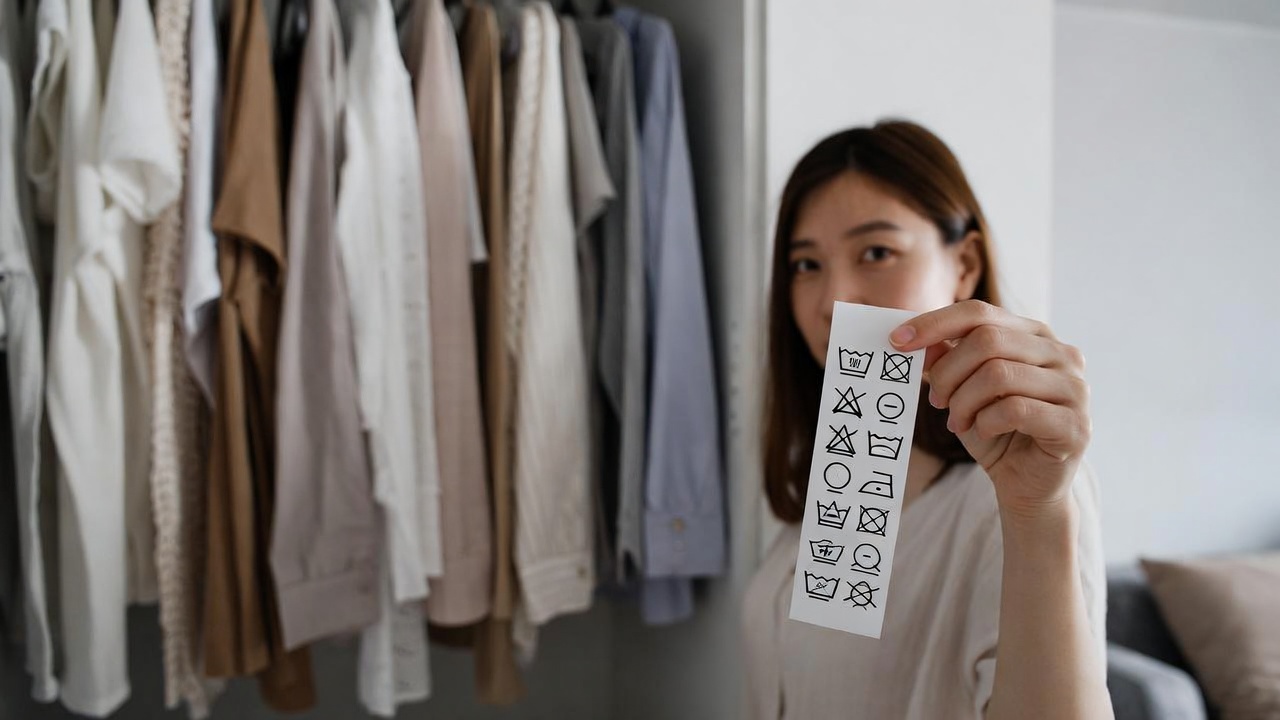
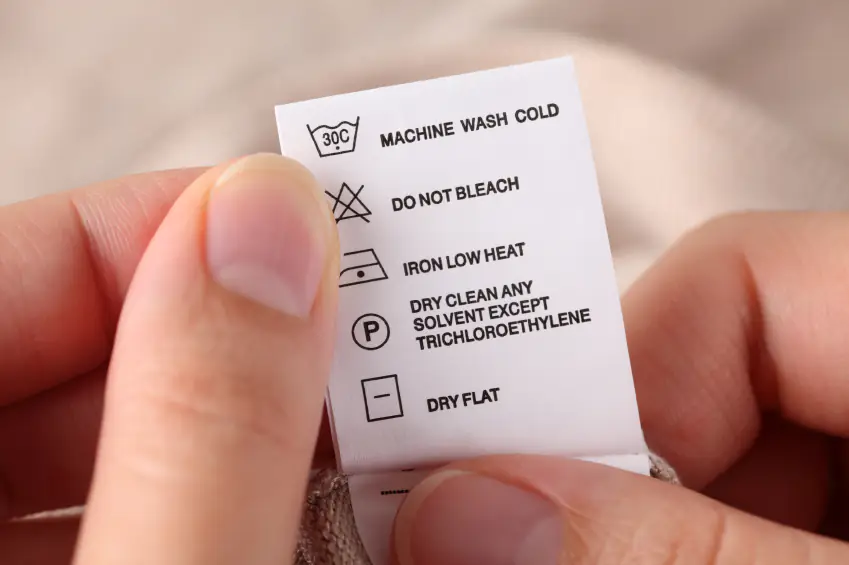
Care Labels
Here’s a table below-
| CARE LABEL SYMBOLS | WHAT THEY ACTUALLY MEAN? |
| Washing Tub 🛁 | how to wash the garment. Lines or dots show water temperature and cycle strength. |
| Do Not Wash ❌🛁 | Do not wash at home, water can damage the fabric or shape. |
| Bleach Symbol 🔺 | Shows whether you can use bleach. An “X” means no bleach at all. |
| Dry Clean Circle ⭕ | Garment should be professionally dry cleaned, not washed in water. |
| Iron Symbol 🔥🧺 | Indicates how much heat is safe when ironing. More dots = more heat allowed. |
Bonus Tip: If a symbol has an X through it, avoid that method completely, it usually means permanent damage risk, not just a suggestion.
Now you are one step closer to becoming a fabric care expert, when your basics are cleared and you know your symbols really well. All there is left to know is the consequences of avoiding care labels and what happens if you wash “Dry- Clean Only” clothes at home?
It can lead to serious damages to your clothes. You might be able to restore the quality in a few cases, while other clothes are permanently damaged.
Some of the consequences are mentioned below-
What happens when you ignore care labels–
1. Shrinkage That Can’t Be Fixed
One of the most common issues is shrinkage from washing dry clean only fabrics. Materials like wool, rayon, silk, and blends react badly to water and heat.
Once fibers shrink or fade , there’s no way to restore the original size.
2. Dye Bleeding & Color Fading
Another big risk is dye bleeding. Dry clean only clothes often use unstable dyes that are meant for solvent cleaning, not water. Washing at home can cause colors to run, fade, or stain other areas of the garment permanently.
3. Loss of Shape and Structure
Structured pieces like blazers, coats, pleated skirts, or dresses are padded and have internal linings. When you ignore dry clean only labels, these inner layers can bubble, warp, or separate, leaving clothes looking misshapen or cheap.
4. Texture Damage (Stiff, Rough, or Flat Fabric)
Even if the clothes survive the wash, they lose their texture. Silks lose their smoothness, wool becomes scratchy, and velvet or textured fabrics can flatten. This is a common but underrated damage from ignoring dry clean only label instructions.
5. Fabric Weakening Over Time
Water washing can weaken delicate fibers. The clothes may look “okay” at first but tear, thin out, or pill much faster, leading to permanent damage.
Is Hand Washing Better than Machine Washing?
While your intent is right, experimenting with laundry at home can damage your clothes. One wrong step can lead to shrinkage, fading, or fabric damage.
Choosing from which method to wash your clothes, which detergents would be suitable for all of the fabrics to store them is a gamble.
One wrong step and you’ll end up in a pile of ruined clothes. Let’s understand both of these methods first-
Hand washing is gentler because you control everything: water temperature, movement, soaking time, and pressure. There’s no harsh spinning or friction, which makes it ideal for delicate, dyed, or loosely woven fabrics.
This method helps reduce fiber breakage, color bleeding, and shape loss, especially important for clothes labeled dry clean only or hand wash recommended.
Fabrics That Are Best Washed by Hand
These fabrics benefit from minimal agitation and cooler water:
- Silk – Prevents dye bleeding and loss of sheen
- Wool – Avoids felting and shrinkage
- Cashmere – Preserves softness and reduces pilling
- Rayon / Viscose – Maintains shape and prevents fiber weakening
- Lace & Embellished fabrics – Protects trims, beads, and stitching
- Chiffon & Sheer fabrics – Reduces tearing and distortion
Bonus Tip: Use cold water and a mild detergent, and never wring, press water out gently.
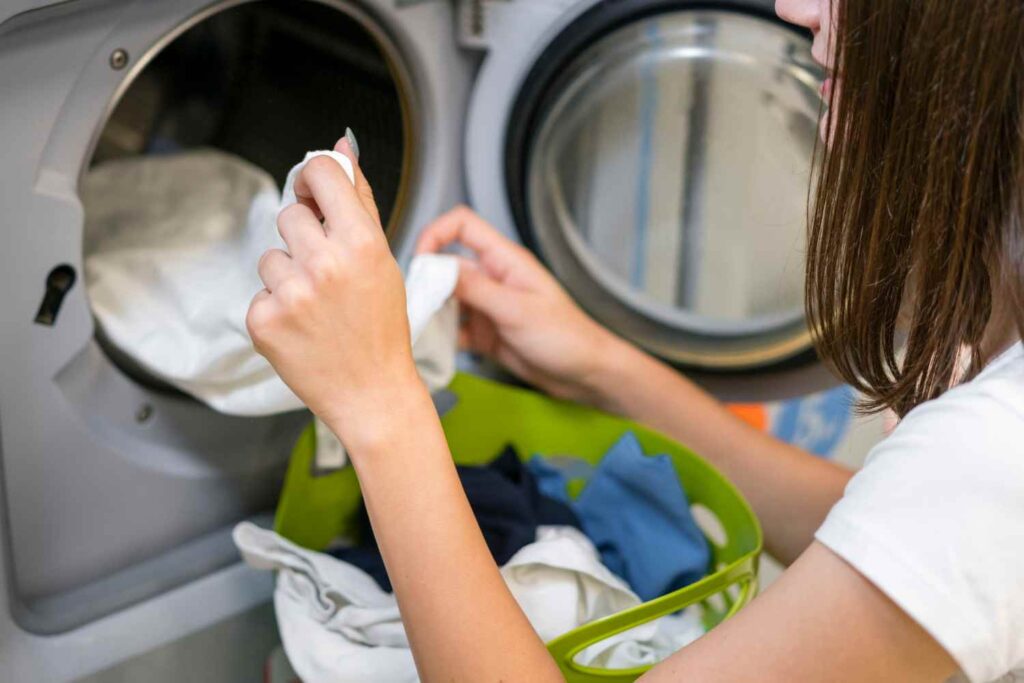
Machine washing, even on a gentle cycle, involves tumbling, spinning, and prolonged agitation. While modern machines are efficient and safe for sturdy fabrics, they can still stress delicate fibers.
Over time, this leads to shrinkage, fabric thinning, fading, and distortion, particularly when garments aren’t designed for water washing.
Fabrics That Are Generally Safe for Machine Washing
Source: https://share.google/45WoHTM24Fm59BeQR
These fabrics are designed to handle agitation and spinning:
- Cotton (non-structured garments)
- Polyester
- Nylon
- Denim
- Acrylic blends
- Spandex blends (on gentle cycles)
Bonus Tip: Turn garments inside out and use cold water to extend fabric life.
Hand washing is generally better for delicate and high-maintenance fabrics, while machine washing works best for durable, everyday clothing. Choosing the wrong method is where damage begins.
What Happens If You Ignore These Guidelines?
- Shrinkage – Fibers tighten permanently, especially wool and rayon
- Color bleeding – Dyes spread or fade unevenly
- Loss of shape – Garments stretch, sag, or warp
- Texture damage – Fabrics turn stiff, rough, or flat
- Weakened fibers – Clothes tear or pill faster over time
- Shortened garment life – Clothing looks worn far sooner than expected
Ignoring Care Methods Doesn’t Just Affect Appearance, It Reduces How Long Clothes Last
Can the Damage Be Reversed?
Some damage can be minimized, but most cannot be fully undone:
- Minor shrinkage: Gentle steaming may relax fibers slightly
- Stiff fabrics: Fabric conditioners can help, but texture rarely fully returns
- Color bleeding: Professional treatments may reduce staining (at-home fixes are risky)
- Shape loss: Light reshaping while damp can help, but structure loss is often permanent
Once internal linings and paddings are damaged, you cannot restore your clothes’ quality and fabric life.
Prevention Is Easier Than Repair
For delicate, structured, or labeled dry clean only garments, prevention is key. Professional dry cleaning avoids water entirely, using controlled solvents that clean without swelling fibers, dissolving dyes, or breaking internal structure.
Why dry cleaning is safer for prevention:
- No shrinkage from water or heat
- Preserves color vibrancy
- Maintains garment shape and tailoring
- Extends clothing lifespan significantly
If your clothes are valuable, structured, or made from delicate fibers, professional care is usually the lowest-risk option, even if hand washing seems convenient for you. Premium dry cleaning services like VANZOO offer to take care of your clothes and their different fabric care needs.
When in doubt, choosing the gentlest method, or opting for professional care, saves money, frustration, and your favorite clothes in the long run.
Bursting top 5 common myths behind care labels
Source: https://share.google/sOnZydhNvWpAcyllO
Myth 1: Dry Clean Only Means You Can Never Wash It
Truth: Not always.
Some brands use the label to avoid complaints. However, many clothes still get damaged if you wash dry clean clothes at home without knowing the fabric. The risks of washing dry clean only clothes depend on material, dye, and structure, not just the label.
Myth 2: Hand Washing Is Always Safe for Dry Clean Only Clothes
Truth: Hand wash is gentler, but not risk-free.
Even hand washing can cause shrinkage or dye bleed. If you’re wondering what happens if you wash dry clean only at home, the answer can still be shape loss or color fading, just slower than machine washing.
Myth 3: Cold Water Prevents All Damage
Truth: Cold water helps, but doesn’t fix everything.
Cold water reduces shrinkage, but it won’t stop dye bleeding or fabric weakening. This is why the risks of washing dry clean only clothes still exist, even on gentle cycles.
Myth 4: If It Survived Once, It’s Safe to Wash Again
Truth: Damage builds up over time.
A garment may look fine after one wash, but repeated attempts to wash dry clean clothes at home slowly weaken fibers. This is a common reason clothes suddenly tear or lose shape later.
Myth 5: “Dry Cleaning Is just for Elites”
Truth: It’s about prevention, not hype.
Professional cleaning avoids water, heat, and heavy movement. Compared to guessing what happens if you wash dry clean only at home, dry cleaning reduces long-term damage and helps clothes last longer.
Care labels aren’t perfect, but ignoring them blindly is risky. Understanding the risks of washing dry clean only clothes, knowing when you can wash dry clean clothes at home, and recognizing what happens if you wash dry clean only at home helps you avoid costly mistakes.
Why Rewashing Tie-Dye in a Washing Machine Ruins the Design – Vanzoo Explains
Tie-dye colors are especially sensitive during the first few washes. When a freshly dyed garment goes into the machine too soon, the excess dye that wasn’t fully set can bleed, fade, or mix with other colors, leaving the design muddy or uneven.
One major reason tie-dye fails is machine agitation. Even on a gentle cycle, the constant spinning and rubbing can cause dyes to spread where they shouldn’t. Hot or warm water makes it worse.
Here are some of the common issues behind your unsuccessful attempts-
1. Why Rewashing Tie-Dye in a Washing Machine Is Risky
Tie-dye colors often look set after the first wash, but they’re usually still unstable. When you rewash tie-dye in a machine, the heavy movement and water flow loosen leftover dye.
This is similar to what happens when people wash “dry-clean only” clothes at home, the fabric isn’t ready for that level of stress.
2. How Machine Washing Ruins Tie-Dye Colors
The spinning and rubbing inside a washing machine cause colors to bleed and mix. Bright patterns turn dull or muddy, just like when you wash dry-clean only clothes at home and see color fading. Warm water makes it worse by reopening dye bonds.
3. Fabric Shrinkage and Texture Changes After Rewashing
Rewashing tie-dye can also shrink the fabric or make it feel stiff. Cotton and blends tighten under heat and movement, the same way fabrics shrink when you wash “dry-clean only” clothes at home instead of using safer methods.
How to prevent your tie- dye from getting damaged further–
To protect tie-dye, stick to cold water, gentle hand washing, and fewer washes. If the garment is valuable or delicate, avoiding guesswork matters. Just like with items labeled dry clean only, professional cleaning helps prevent shrinkage, color damage, and quality loss when you’re unsure.
FAQs
Can I wash “dry-clean only” clothes at home just once?
Yes, many people try to wash dry-clean only clothes at home at least once, but even one wash can cause shrinkage, color bleeding, or shape loss. Some damage shows up later, not right away, which is why the risk is higher than it seems.
What usually goes wrong when I wash dry-clean only clothes at home?
The most common issues are fabric shrinkage, faded or bleeding colors, and loss of structure. When you wash dry-clean only clothes at home, water and movement weaken fibers that aren’t made for regular washing.
Is hand washing safer than machine washing for dry-clean only clothes?
Hand washing is gentler, but it’s not fully safe. Even when you wash dry-clean only clothes at home by hand, dyes can run and delicate fabrics can lose their texture. It lowers the risk, but doesn’t remove it.
My silk top survived one wash… why did it get ruined the second time?
This is a common surprise. When you wash dry-clean only clothes at home, damage builds slowly. The first wash weakens fibers and dyes, and the next wash finishes the job, leading to fading, thinning, or tearing.
I hand washed it gently, why did it still shrink?
Even gentle hand washing uses water, which some fabrics can’t handle. When you wash dry-clean only clothes at home, fibers like wool, rayon, and blends tighten and shrink, and that size loss is usually permanent.
Think Before You Wash, Protect What You Love
Conclusion
Trying to wash “dry-clean only” clothes at home may feel like a small shortcut, but as we’ve seen, it often leads to bigger problems, shrinkage, faded colors, fabric damage, and loss of shape. What starts as a quick home wash can quietly reduce the quality and lifespan of your clothes, especially when the risks of washing dry clean only clothes aren’t obvious right away.
When the garment is valuable, structured, or something you truly care about, prevention is always better than fixing damage later. That’s where professional care makes sense. Choosing a premium service like VANZOO ensures your clothes are cleaned safely, colors stay rich, fabrics don’t shrink, and quality is preserved long term.