Introduction
If you own linen clothing, you have probably faced the question: should you dry clean linen or wash linen at home? Both methods have their place, but the right choice depends on the garment type, the level of soiling, and how important the garment’s shape and longevity are to you. This guide breaks down the dry clean linen vs wash linen debate so you can make the best decision every time.
Understanding the Fundamental Difference
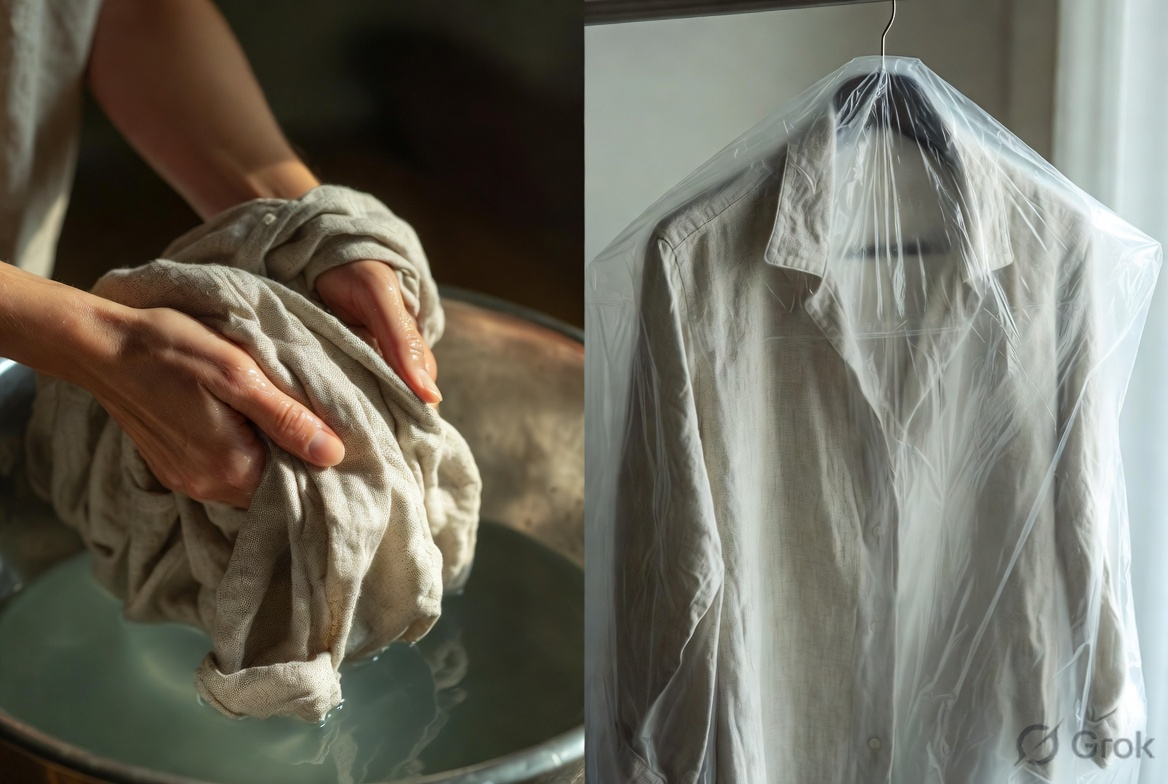
The core difference in the dry clean linen vs wash linen comparison is how each method interacts with the fabric. Home washing uses water, which causes linen fibers to swell, contract, and potentially shrink. Dry cleaning uses chemical solvents that dissolve dirt and oils without exposing linen to moisture or heat. Both can clean effectively, but the risks and results are different.
| Factor | Dry Clean Linen | Wash Linen at Home |
| Shrinkage risk | None | Possible with warm water |
| Shape preservation | Excellent | Good only with cold gentle cycle |
| Stain removal | Advanced | Limited for tough stains |
| Cost | Higher per clean | Lower per clean |
| Convenience | Requires a visit to cleaner | Can do at home |
| Best for | Structured and formal linen | Casual everyday linen |
When Washing Linen at Home Works Well
In the dry clean linen vs wash linen debate, home washing wins for casual everyday garments that are simple in construction and not heavily soiled. If your linen garment is a plain shirt, a casual kurta, or a simple dress without lining or embellishment, home washing in cold water on a gentle cycle is safe and economical.
Home washing works best when:
- The garment has a simple construction with no lining
- The care label allows home washing
- Soiling is light, such as dust or mild sweat
- You use cold water and a mild detergent
- You air dry instead of using a tumble dryer
When Dry Cleaning Linen Is the Better Choice
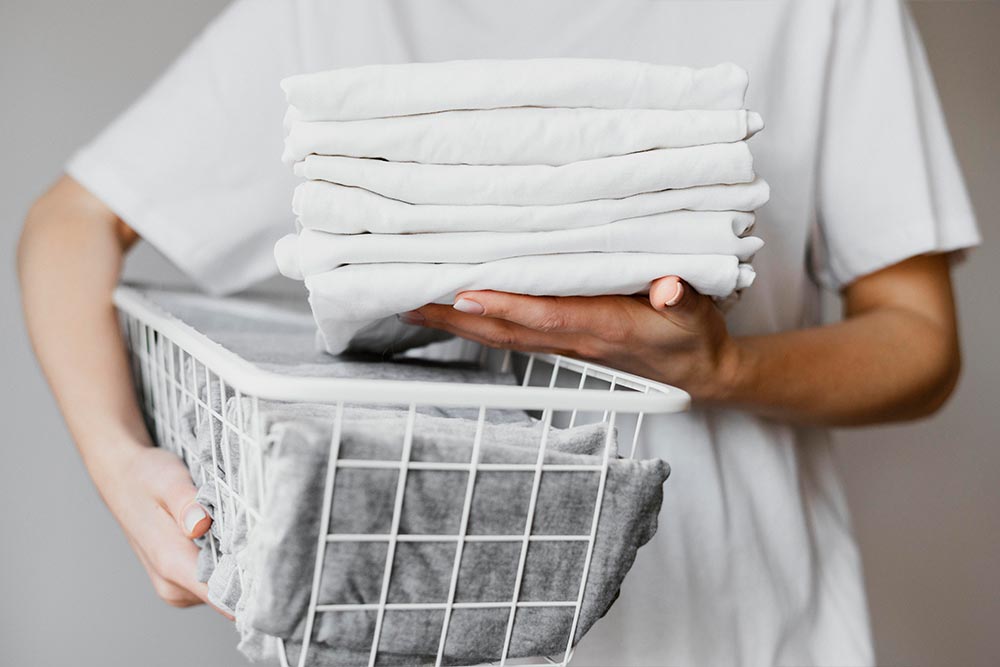
The dry clean linen vs wash linen comparison shifts clearly in favor of dry cleaning for certain garment types and situations. Dry cleaning is not just a luxury; for structured or delicate linen, it is a necessity.
- Structured linen blazers, jackets, and formal wear
- Embroidered or embellished linen garments
- Linen with lining or interfacing
- Stubborn stains like oil, wine, or food grease
- Garments worn to long events with heavy sweat absorption
- Pre-storage cleaning to prevent insect damage and odor
Mini Case Study
Two colleagues in Gurugram both owned linen blazers from the same brand. One chose to home wash on a gentle cycle while the other dry cleaned after every few wears. After six months, the home-washed blazer showed visible shape loss, a slightly uneven texture, and faded color at the collar. The dry-cleaned blazer retained its original structure and color. In the dry clean linen vs wash linen comparison, professional cleaning clearly delivered better long-term results for a structured garment.
The Cost Consideration
Many people choose home washing simply because dry cleaning costs more per garment. However, when considering the dry clean linen vs wash linen decision, it is worth calculating the long-term cost. A blazer that lasts five years with dry cleaning may cost more per clean but saves the expense of replacing it after two years of home washing damage.
| Perspective | Home Washing | Dry Cleaning |
| Cost per clean | Low | Moderate |
| Garment lifespan | Shorter | Longer |
| Risk of damage | Higher | Lower |
| Long-term value | Lower | Higher |
Dry Clean Linen vs Wash Linen
In the dry clean linen vs wash linen debate, there is no single answer. For casual, unstructured linen garments, gentle home washing works well when done correctly. For structured, formal, or embellished linen, dry cleaning is always the better choice. Services like VANZOO in Delhi NCR offer professional linen care that preserves fabric quality and garment structure across multiple cleaning cycles.
Key Takeaways – Dry Clean Linen vs Wash Linen
- Home washing suits casual linen garments with simple construction
- Dry cleaning is essential for structured, lined, and formal linen pieces
- Both methods work, but for different garment types and situations
- The long-term cost of dry cleaning is often lower than replacing damaged garments
- When in doubt, choose professional dry cleaning to protect your investment
FAQs
1. Is dry cleaning always better than washing linen?
Not always. For simple casual linen garments, home washing with cold water works well. Dry cleaning is better for structured, formal, or heavily soiled linen.
2. Can I alternate between dry cleaning and home washing linen?
For casual linen, yes. For structured garments, stick to dry cleaning consistently to prevent gradual shape loss.
3. Does home washing always shrink linen?
Not if done correctly with cold water and a gentle cycle. Hot water and tumble drying are the main causes of linen shrinkage.
4. Is dry cleaning linen environmentally friendly?
Many professional cleaners now use eco-friendly solvents that reduce environmental impact while still delivering excellent results for delicate fabrics.
5. How do I decide which method to use for my linen garment?
Check the care label first. Consider the garment type, its construction, and how important its shape and longevity are to you. When unsure, choose dry cleaning.
Also See: How to Clean Linen Clothes