Introduction
How to Choose the Right Dry Cleaning Service for Safe Handling
Regular Dry Cleaning vs. Luxury Dry Cleaning: Key Differences
Safe and Gentle Cleaning Methods Used in Luxury Dry Cleaning
Services to Look for When Selecting a Premium Dry Cleaner
Solvents Used in Luxury Dry Cleaning
Eco-Friendly and Sustainable Luxury Cleaning Practices
Finishing and Detailing: The Final Touch in Luxury Care
How to Store Luxury Clothing After Dry Cleaning
Top Luxury Dry Cleaning Service Providers in India
Conclusion
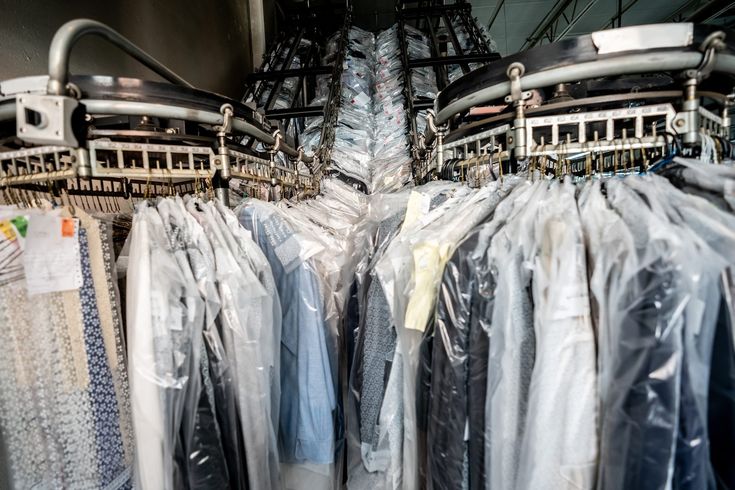
Image source: https://in.pinterest.com/pin/295619163046844880/
Introduction
Your designer wardrobe isn’t just clothing. It’s an investment.
Think about it, that designer lehenga, those pashmina scarves, your tailored suits. Each piece represents your expensive personal style. But here’s the thing: luxury clothes need luxury care. The wrong dry cleaner can ruin them permanently.
I’m talking about faded colors, damaged fabrics and destroyed embellishments. One wrong cleaning can cost you thousands of dollars in irreplaceable garments.
Choosing a dry cleaner for your designer pieces isn’t about finding the closest or cheapest option. It’s about understanding what luxury fabrics actually need. It’s knowing which questions to ask before you hand over your prized possessions.
This guide covers everything. We’ll explore how to spot quality service, what makes luxury cleaning different, and how to keep your investment pieces looking boutique-fresh for years.
How to Choose the Right Dry Cleaning Service for Safe Handling
Finding the right cleaner takes homework. You can’t just walk into any place and expect great results.
Start by looking for cleaners who specialize in high-end fashion. They should explicitly say they handle luxury or couture pieces. These facilities invest serious money in specialized equipment and training. There’s a big difference between cleaning everyday clothes and handling a designer gown with hand-sewn beading.
Where do you find these specialists? Ask upscale boutiques in your area. Designer clothing stores maintain relationships with trusted cleaners who understand fine garments. They won’t risk their reputation by recommending subpar services.
Online reviews help too, but personal referrals work best. Talk to friends who own similar quality clothing. Their real-world experiences matter more than anonymous internet reviews.
When you visit a potential cleaner, trust your eyes. The facility should look clean and organized. Details matter here. Staff should know their stuff, they should talk confidently about different fabrics, stains, and cleaning methods.
Don’t be shy about asking questions. Do they hand-press suits or use automated machines? What solvents do they use? Can they handle beading, sequins, and leather trim? Do they inspect garments carefully before cleaning?
Good cleaners welcome these questions. They’ll answer confidently and transparently. If someone gets defensive or vague, that’s your signal to keep looking.
How Regular Dry Cleaning Differs from Luxury Dry Cleaning
Here’s what most people don’t realize: regular dry cleaning and luxury dry cleaning are completely different services.
Standard cleaners run on volume. They process hundreds of garments daily using standardized procedures. Your clothes get batch-cleaned with everyone else’s. They’re machine-pressed to uniform standards. You get them back in 24-48 hours.
It’s efficient. It’s affordable. But it’s not right for designer pieces.
Luxury dry cleaning treats each garment individually. Think of it like the difference between fast food and fine dining. Services like Vanzoo recognize that designer clothes need personalized attention at every stage. No batch processing here.
Instead, each piece gets evaluated separately. The cleaner determines the best method, maybe hand cleaning, maybe a specialized solvent, maybe gentle wet cleaning. It depends on the specific fabric and construction.
Time investment differs dramatically. Regular cleaners promise speed. Luxury services need three to seven days. This isn’t lag, it’s thoroughness. Proper inspection takes time. Targeted stain treatment takes time. Careful cleaning and meticulous hand-finishing take time.
Rush jobs damage delicate pieces.
Price reflects these differences too. A standard suit might cost fifteen to twenty dollars at a regular cleaner. Luxury services? Fifty to seventy-five dollars or more. Designer shirts range from ten to twenty dollars compared to three to five at standard places.
That premium pricing buys expertise, specialized equipment, individualized care, and proper insurance for high-value garments. You’re not just paying for cleaning, you’re paying for protection.
Image source: https://in.pinterest.com/pin/64880050876681943/
Safe and Gentle Cleaning Methods Used for Luxury Garments
Luxury cleaners use specialized techniques that protect fabric while cleaning effectively. Understanding these methods helps you spot truly professional service.
Hand Cleaning
For extremely delicate garments, machines don’t cut it. Experienced cleaners work by hand instead.
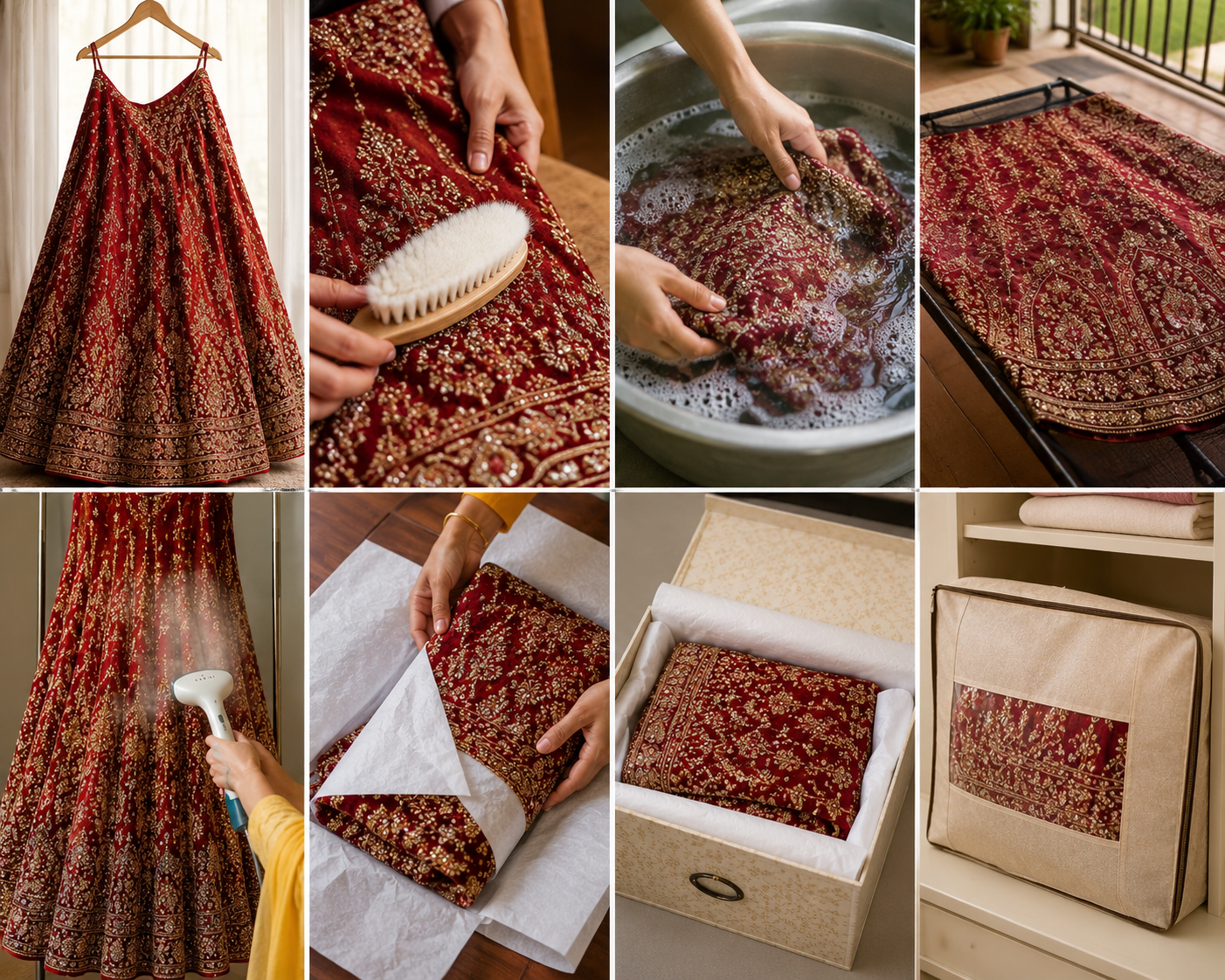
Each item gets examined carefully. Stains are treated individually with fabric-safe solutions. Gentle blotting replaces scrubbing. This lifts marks without damaging the material’s structure. It’s time-consuming, but it works.
Advanced Solvent Selection
Generic chemicals harm luxury fabrics. Professional cleaners match solvents to specific materials.
Silk needs one gentle solvent. Wool requires something different. Cashmere needs another approach entirely. This tailored selection prevents color stripping, fiber damage, and texture changes that harsh chemicals cause.
Precision Pressing Techniques
Machine pressing flattens natural fabric characteristics. Not good for designer pieces.
Luxury cleaners use hand-finishing methods instead. Suits get careful attention to maintain proper lapel rolls. No unwanted creases here. Form finishers use steam while garments hang naturally, creating smooth finishes without flattening effects.
Fabric Rehydration
Some luxury services incorporate gentle steaming that restores natural moisture in fibers. This particularly benefits wool and cashmere, which can become dry through cleaning.
The result? Maintained softness. No stiff feeling that sometimes comes from conventional dry cleaning.
Services to Look for When Choosing Luxury Dry Cleaning for Premium Clothes
Customized Garment Inspection
Professional inspection happens before cleaning starts. It’s absolutely critical.
Experienced technicians examine garments for loose threads, missing buttons, weak seams, damaged embellishments. They identify stains, what type, where located. Each stain gets marked for targeted pre-treatment.
Every garment receives a unique identification tag. Your clothes never get mixed up with someone else’s.
Good inspection includes detailed documentation of existing damage. High-value items might get photographed. Special care requirements get noted specifically. Any concerns get communicated clearly to you.
This transparency protects everyone. You know what to expect from the cleaning outcome.
Quality Preservation
Luxury cleaners focus on maintaining original garment quality throughout processing.
They use temperature-controlled environments. Buttons and embellishments get protected with soft coverings. No harsh mechanical agitation happens. Gentle extraction methods prevent fabric stress.
Quality preservation means maintaining original shape and structure too. Designer clothes feature precise tailoring, intricate construction, carefully engineered fit. Professional cleaners understand these elements and use techniques that respect them.
Supporting garments properly during drying matters. Using specialized equipment that respects fabric drape matters. These details separate luxury service from standard processing.
Transparency
Reputable cleaners maintain complete transparency about everything they do.
They explain which solvents they use. They describe their methodology. They provide realistic timelines. They disclose limitations regarding specific garments or stain removal.
Transparent cleaners communicate proactively about issues. Found a stain that might not come out completely? They tell you before proceeding. Discovered challenging garment construction? They inform you upfront.
This honesty prevents disappointment. It demonstrates professional integrity.
Safe Handling Throughout Processing
From drop-off to pickup, luxury cleaners implement careful handling protocols.
Staff receive training in proper garment manipulation. Storage occurs in clean, climate-controlled environments. Items stay protected throughout every stage.
Safe handling includes separating garments by fabric type during cleaning. Using padded hangers appropriate for each item’s weight and structure. Protecting finished pieces in breathable covers. Maintaining organized systems that prevent damage from overcrowding.
Pickup and Delivery Services
Many luxury cleaners offer complimentary pickup and delivery. They recognize that clients with valuable wardrobes appreciate convenience.
These services should include flexible scheduling, careful transportation, and professional personnel who understand proper handling.
Quality pickup and delivery maintains the same standards as in-facility care. Garments arrive properly hung or folded. Protected from weather and vehicle conditions. Delivered on schedule with clear communication about any issues.
Solvents Used
The solvents directly impact cleaning effectiveness and fabric safety.
Traditional perchloroethylene (perc) remains common but carries environmental and health concerns. Progressive luxury cleaners adopt safer alternatives that clean effectively without harsh chemical risks.
Understanding solvent types helps you make informed choices aligned with your values and garment needs.
Eco-Friendly and Sustainable Practices
Environmental consciousness matters increasingly to luxury clothing owners. Modern methods deliver excellent results while minimizing impact.
Liquid Carbon Dioxide Cleaning
This innovative method uses pressurized CO2 as a cleaning solvent in closed-loop systems. Non-toxic. Non-flammable. Uses recycled CO2 that’s already a byproduct of other industries.
It effectively cleans delicate fabrics without harsh chemicals. Equipment costs mean fewer cleaners offer this yet, but it’s gaining ground.
Professional Wet Cleaning
Despite the name, this water-based process uses biodegradable detergents and specialized equipment. It gently cleans fabrics labeled “dry clean only.”
Considered one of the most environmentally responsible options available. Controlled water application and specialized conditioning prevent shrinkage or damage.
Silicone-Based Solvents
Products like GreenEarth use liquid silicone derived from sand. Non-toxic. Non-hazardous. Biodegrades into sand, water, and carbon dioxide.
Gentle on fabrics, helping extend clothing life while maintaining cleaning effectiveness.
Hydrocarbon Solvents
Petroleum-based and less environmentally friendly than CO2 or wet cleaning, but safer than traditional perc. Some cleaners market these as “organic,” though that terminology can mislead regarding environmental impact.
Finishing and Detailing
Final finishing distinguishes luxury dry cleaning from standard services.
Professional finishing includes hand-pressing that maintains natural garment characteristics. Careful steaming refreshes fabrics without damage. Precise seam and pleat alignment. Proper button and embellishment restoration.
Returned garments should look boutique-fresh, not mechanically processed. Lapels roll naturally without creases. Fabric drapes properly. Everything appears crisp yet natural.
Image source: https://in.pinterest.com/pin/4503668373707006/
How to Store Luxury Clothing After Receiving from Dry Cleaners
Proper storage extends garment life and maintains the quality achieved through professional cleaning. Many people make critical mistakes here that undermine expensive cleaning services.
Remove Plastic Immediately
Those plastic garment bags aren’t for long-term storage. They protect clothes during transport from cleaner to home. That’s it.
Keeping garments in plastic traps moisture. Causes yellowing. Promotes mildew. Remove bags immediately when you get home and let garments breathe.
Use Proper Hangers
Replace wire hangers with quality alternatives appropriate for each garment type.
Wooden suit hangers provide sturdy support for heavy items while maintaining proper shoulder shape. Padded or velvet hangers prevent slippery silks from sliding off and cushion delicate fabrics. Fold items prone to stretching, like knit sweaters, instead of hanging them.
Choose Climate-Controlled Storage
Store luxury clothes in dark, temperature-controlled spaces away from direct sunlight and humidity fluctuations.
Closets work well for regularly worn items. Seasonal storage might require under-bed containers or dedicated wardrobe areas. Avoid attics or basements where temperature extremes and humidity damage fabrics.
Protect Against Pests
Cedar blocks or sachets naturally repel moths and other clothing-damaging insects while smelling pleasant.
Avoid traditional mothballs. They contain harsh chemicals that damage fabrics and pose health risks. Position cedar blocks near stored garments. Replace them annually as effectiveness diminishes.
Use Breathable Garment Bags
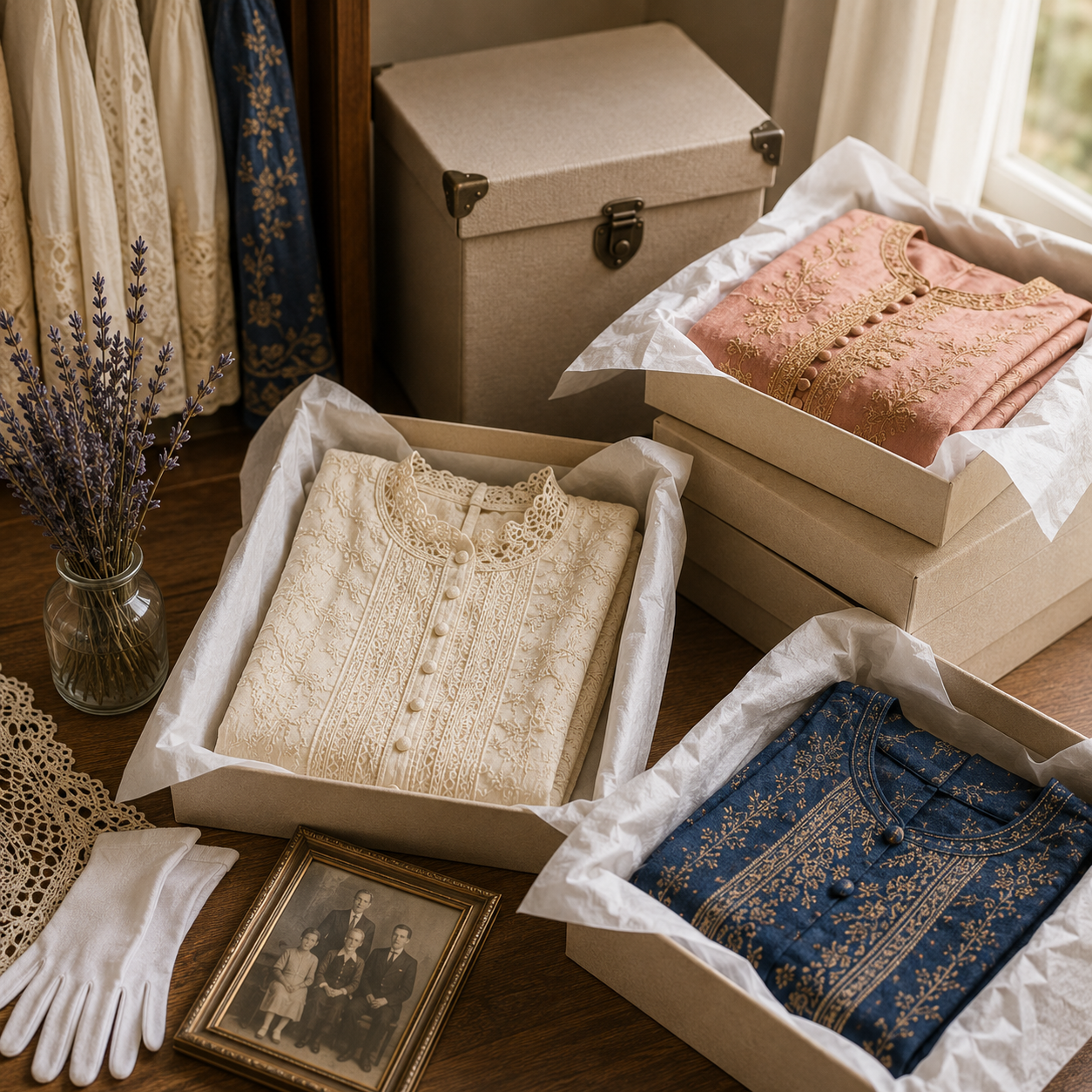
For long-term storage or travel, invest in cotton garment bags that allow air circulation while protecting against dust and light.
These breathable covers prevent moisture trapping that plastic causes while keeping garments clean.
Organize Systematically
Maintain organized storage using labels or clear documentation. Group garments by season, type, or occasion. Makes items easy to locate without excessive handling that causes wear.
Avoid overcrowding closets. Cramming creates wrinkles and prevents proper air circulation.
Ensure Complete Drying
After cleaning, verify garments are completely dry before storage. Any residual moisture, particularly in leather or suede items, promotes mildew growth.
Allow freshly cleaned pieces to air for several hours before placing them in storage.
Luxury Dry Cleaning Service Provider Suggestions
When seeking luxury dry cleaning services, several establishments across India have earned reputations for exceptional garment care. Here are premium providers specializing in luxury clothing:
Fabrikare– The only DLI certified dry cleaner in Hyderabad with Complete Garment Care Professional certification, using imported German and American detergents with Italian and American equipment for haute couture and designer wear.
Bianca Clothspa– Specializes in luxury dry cleaning with expertise in bespoke couture, using world-class technology and solvents for delicate silks, satins, heavy hand detailing, and ornamental elements like beads and sequins.
Cleand – Premium laundry spa providing specialized dry cleaning for delicate garments and designer wear, using advanced techniques and eco-friendly solvents with meticulous quality checks.
Vanzoo (Gurugram)- Modern luxury dry cleaning service offering transparent pricing, convenient pickup and delivery, and specialized expertise in handling designer garments with quality preservation focus.
Spin Cycles – Offers luxury dry cleaning using eco-friendly hydrocarbons instead of harsh chemicals, specializing in silks, woolens, wedding outfits, and designer wear with professional steam pressing.
Look for cleaners who openly display credentials and showcase experience with luxury brands. The best ones maintain detailed online information about their processes and encourage questions. They treat education as part of their service, helping you understand proper garment care.
Conclusion
Selecting the right dry cleaner for luxury clothes protects your designer wardrobe investment. The difference between standard and luxury dry cleaning extends far beyond price.
It’s about expertise. Specialized techniques. Individualized attention. Genuine commitment to preserving garment quality and value.
Understanding what distinguishes luxury services helps you choose confidently. Know which questions to ask. Recognize quality care characteristics. Whether you own a single designer suit or an extensive couture collection, proper professional care maintains these garments’ beauty and extends their lifespan.
They’ll continue bringing you confidence and style for years to come.
Remember, the most expensive cleaner isn’t necessarily the best choice. Instead, prioritize transparency, expertise, appropriate technology, and demonstrated experience with luxury garments similar to yours.
Take time researching options. Ask detailed questions. Maybe test a cleaner with a less valuable piece before entrusting your most precious items to their care.
Your designer wardrobe deserves nothing less than the attention that luxury dry cleaning provides.