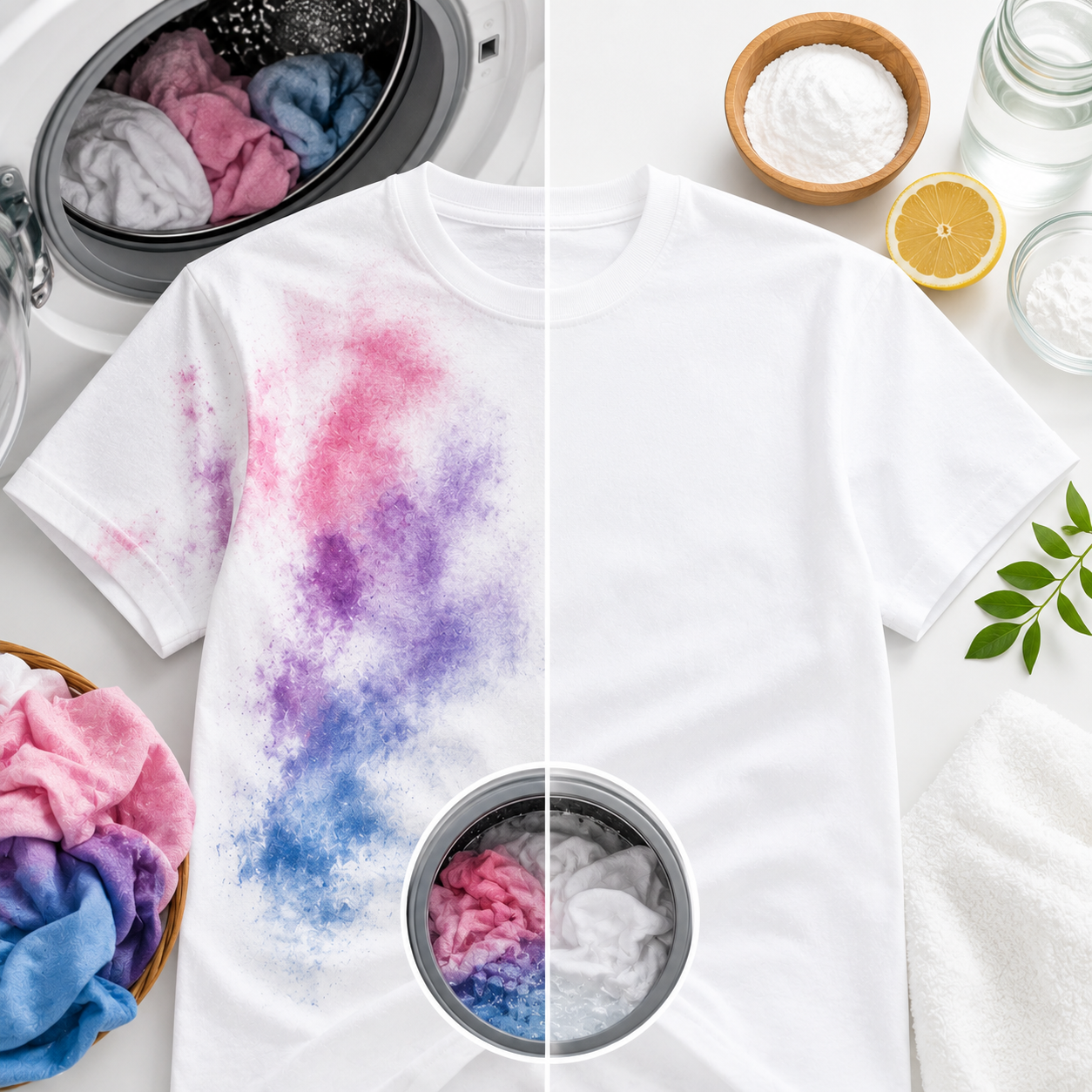
Few laundry mishaps are as frustrating as pulling your favourite white shirt out of the washing machine only to find it tinged pink, blue, or grey. Colour bleeding is a common problem that occurs when dyes from coloured garments transfer onto lighter fabrics during a wash cycle.
The good news? Colour bleeding stains can often be removed if treated quickly. The key is to avoid making the stain worse and to use the right cleaning techniques based on the fabric type.
In this guide, we’ll explain how to remove colour bleeding stains from white clothes, what to avoid, and when it’s time to seek professional garment care.
What Causes Colour Bleeding?
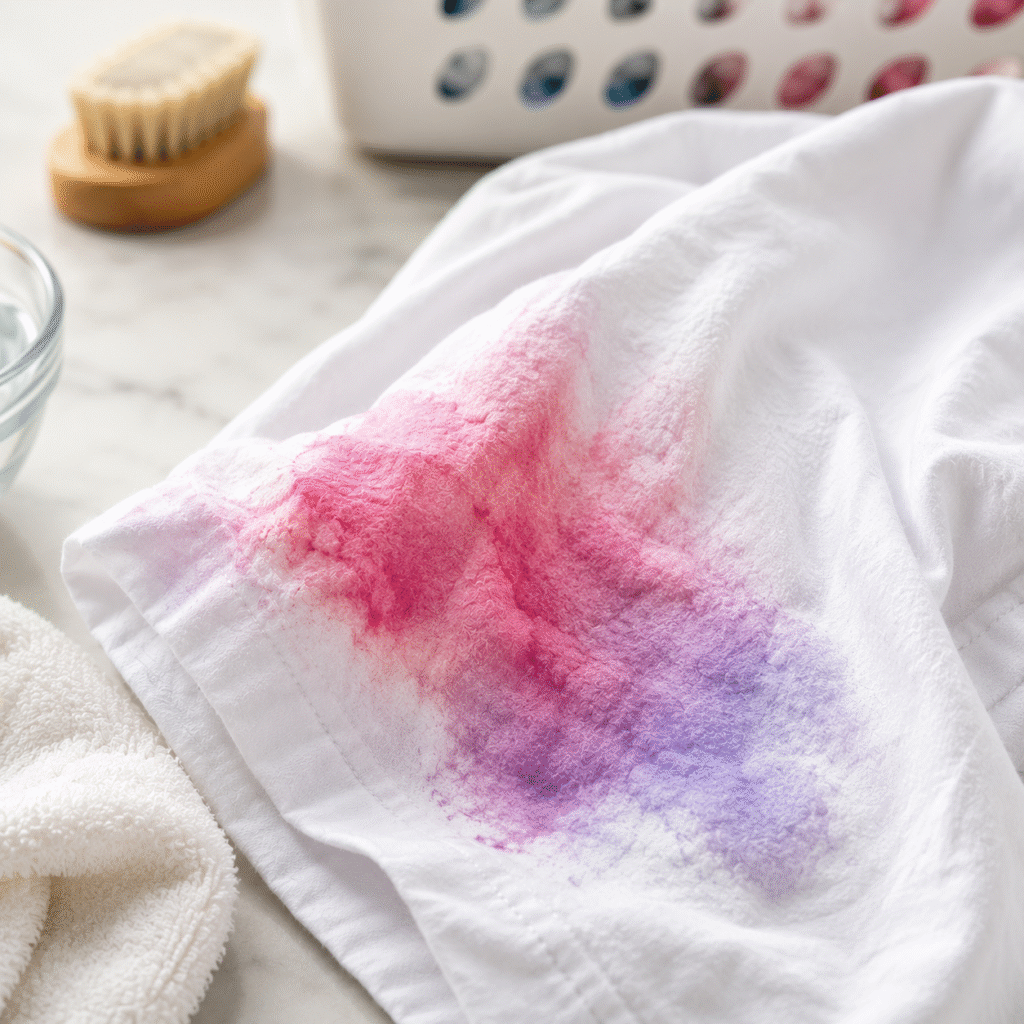
Colour bleeding happens when unstable dyes are released from one garment and absorbed by another during washing.
Common causes include:
- Washing dark and light clothes together
- Using hot water on coloured garments
- Washing new clothes without separating them
- Overloading the washing machine
- Using incorrect detergent
Some fabrics are more prone to releasing dye, especially when they are new or made with lower-quality colouring processes.
Act Quickly—Don’t Dry the Garment
If you notice colour transfer on your white clothes, do not put them in the dryer.
Heat can permanently set the stain, making it much harder to remove.
Instead:
- Remove the affected garment immediately.
- Keep it slightly damp.
- Begin stain treatment as soon as possible.
The sooner you act, the better your chances of restoring the garment.
Rewash the Garment Separately
Sometimes, a simple rewash can remove fresh dye stains.
Steps:
- Wash the white garment separately.
- Use cold or lukewarm water.
- Add a suitable detergent for whites.
- Avoid adding the stained garment back with coloured clothes.
Many fresh colour bleeding stains come out after one or two additional washes.
Use an Oxygen-Based Stain Remover
Oxygen-based stain removers are often effective for treating colour transfer on white fabrics.
They work by gently lifting dye particles without damaging the material.
Before using any product:
- Read the garment care label.
- Test on an inconspicuous area.
- Follow the manufacturer’s instructions.
Avoid chlorine bleach unless the garment label specifically permits it.
Try Soaking the Garment
For stubborn stains, soaking can help loosen transferred dye.
A typical soaking process includes:
- Filling a basin with cool water.
- Adding an oxygen-based fabric treatment.
- Soaking for several hours.
- Rinsing thoroughly before rewashing.
Do not use hot water, as it may cause the dye to bond more strongly with the fabric.
White Vinegar: Does It Work?
White vinegar is a popular home remedy for many laundry issues.
While it may help remove mild odours and soften fabrics, it is generally not a guaranteed solution for significant colour bleeding stains.
For valuable garments, relying solely on home remedies can sometimes do more harm than good.
Avoid These Common Mistakes
Many people unintentionally make the problem worse.
Avoid:
- Using hot water
- Putting the garment in the dryer
- Applying harsh bleach without checking labels
- Scrubbing aggressively
- Using multiple chemicals together
- Ignoring care instructions
These mistakes can damage fabric fibres and make the stain more difficult to remove.
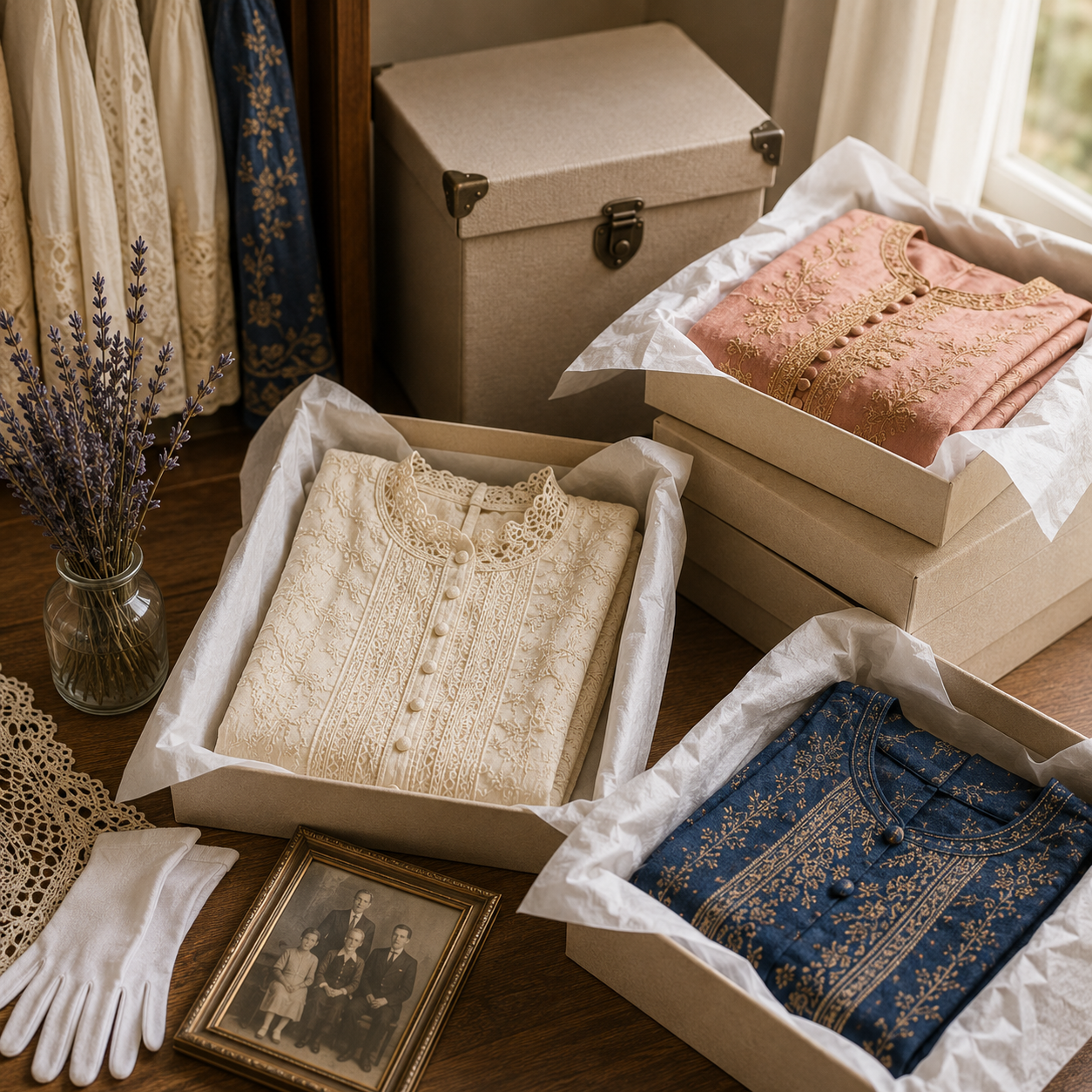
What About Delicate White Fabrics?
White garments made from delicate materials require extra care.
Examples include:
- Silk
- Linen
- Wool
- Lace
- Satin
- Designer fabrics
These fabrics may react differently to stain removal treatments and should be handled cautiously.
If you’re dealing with expensive or sentimental garments, professional cleaning is often the safest option.
When to Choose Professional Dry Cleaning
Some colour bleeding stains are particularly difficult to remove, especially if:
- The garment has already been dried.
- The stain has been present for several days.
- The fabric is delicate.
- Multiple colours have transferred.
- Home treatments have failed.
Professional garment care specialists use fabric-specific techniques to safely treat difficult stains while preserving the integrity of the clothing.
At Vanzoo, our Dry Cleaning Service is designed to handle delicate fabrics and challenging stains with professional care. We also provide Laundry Services for everyday clothing needs and regularly share expert garment care tips on our Blog.
How to Prevent Colour Bleeding in the Future
Prevention is always easier than stain removal.
Follow these simple tips:
Separate Laundry Properly
Always wash whites, lights, and darks separately.
Wash New Clothes Independently
New garments are more likely to release excess dye during their first few washes.
Use Cold Water
Cold water helps reduce dye transfer between garments.
Don’t Overload the Machine
Overcrowding prevents clothes from moving freely and increases the risk of colour transfer.
Read Care Labels
Always follow manufacturer recommendations for washing temperatures and detergents.
Final Thoughts
Colour bleeding stains on white clothes can be frustrating, but they aren’t always permanent. Acting quickly, avoiding heat, and using appropriate stain removal techniques can often restore your garments to their original appearance.
For delicate or valuable items, professional garment care provides the safest and most effective solution. By following proper laundry practices and separating your clothes correctly, you can significantly reduce the risk of future colour transfer accidents.
After all, keeping your whites bright is easier when prevention becomes part of your laundry routine.
Frequently Asked Questions
Can colour bleeding stains be removed from white clothes?
Yes. Many colour bleeding stains can be removed, especially if treated immediately after washing.
Should I use bleach on colour transfer stains?
Only if the garment care label permits it. Oxygen-based stain removers are generally a gentler alternative.
Does drying set colour bleeding stains?
Yes. Heat from a dryer can permanently set dye stains, making them much more difficult to remove.
Can professionals remove colour bleeding stains?
Professional garment care specialists can often improve or completely remove colour transfer stains, depending on the fabric and severity of the damage.
How can I prevent colour bleeding during washing?
Separate colours, wash new garments independently, use cold water, and avoid overloading the washing machine.