- Introduction
- What Kind of Clothes Are Called Luxury Clothes?
- 5 Ways to Maintain Luxury Clothes At Home for the Long Term
- What Common Mistakes Are Damaging Your Luxury Clothes at Home?
- How Vanzoo Ensures the Best Luxury Garment Care
- Key Takeaways for Long-Term Luxury Garment Care

Introduction
When you buy luxury clothing, you’re getting pieces made with top-quality materials and careful craftsmanship. But even the best garments won’t last without proper care. Knowing how to look after them at home can be the difference between clothes that last for years and those that wear out too quickly. With the right tips and habits, you can keep your luxury clothes in great shape without any complicated techniques or pricey equipment.
What Kind of Clothes Are Called Luxury Clothes?
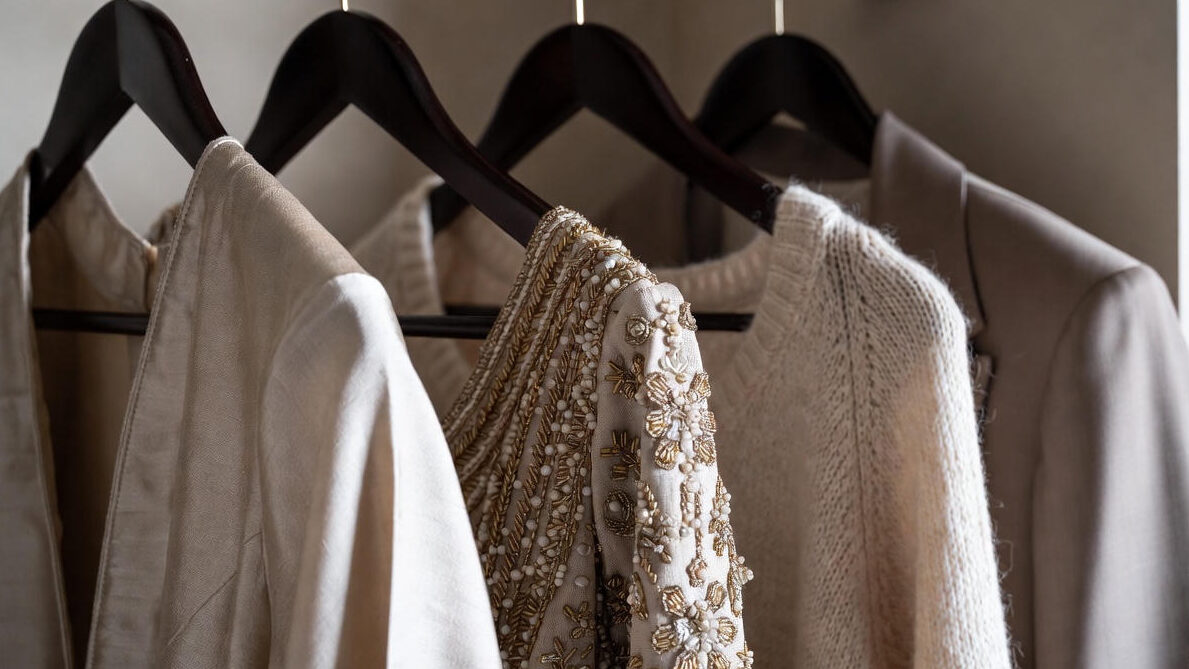
Luxury clothing is more than just expensive. It is made with great care, high-quality materials, and lasting design. These pieces come from trusted designer or boutique brands. The fabrics show the difference, like hand-woven silk, ethically sourced cashmere, or soft Italian wool.
Superior Quality and Craftsmanship: Luxury clothes are made with great care. They often have hand-finished seams, delicate embroidery, zari work, or embellishments to make them last longer and look beautiful. Examples include a Sabyasachi lehenga, a Manish Malhotra gown, or a tailored Burberry blazer.
Fabrics: Luxury garments use top-quality materials like mulberry silk, tussar silk, satin, cashmere, pashmina, fine cotton, linen, and premium leather. These fabrics feel soft, drape well, and maintain their elegance. For instance, a silk saree from Anita Dongre or a cashmere sweater from Ermenegildo Zegna.
Exclusivity and Scarcity: Many luxury items are made in limited numbers or custom-made. This makes them rare and special. Examples include hand-tailored suits, structured blazers, designer sarees, and bespoke gowns.
High Price Point: Luxury clothes cost more because of premium fabrics, skilled labor, and brand reputation. In India, prices often start around ₹50,000 and can go much higher depending on the brand and customization.
Heritage and Storytelling: Luxury brands often have a rich history and iconic designs. Wearing them shows elegance and status. Examples include Chanel, Hermès, or Indian designers like Abu Jani Sandeep Khosla.
Innovation with Tradition: Luxury fashion combines modern design with traditional craftsmanship. This could be hand embroidery, zardozi, weaving, or hand-loomed fabrics. Examples include a hand-embroidered saree by Raw Mango or a custom-made Nehru jacket.
5 Ways to Maintain Luxury Clothes At Home for the Long Term
1. The Art of Proper Storage
- Storage is where many luxury clothes get damaged, but using the right techniques can make them last much longer.
- For structured pieces like blazers and coats, use good-quality wooden or padded hangers that support the shoulders.
- Avoid wire hangers. They can distort the shape and create bumps that even pressing cannot fix. Proper storage prevents most avoidable damage.
- Knits and cashmere should never be hung because their weight can stretch the fabric and create shoulder bumps.
- Fold them carefully and store flat on shelves. You can place acid-free tissue paper between folds to avoid creases.
- For moth protection, keep cashmere in breathable garment bags with cedar blocks or lavender sachets.
- The storage environment is important too. Choose a cool, dark place with moderate humidity. Sunlight can fade fabrics, and damp areas can cause mold.
- Seasonal clothes should be completely clean and dry before storing. Even invisible stains can turn into permanent brown spots, and leftover oils attract moths.
2. Embrace Strategic Washing Practices
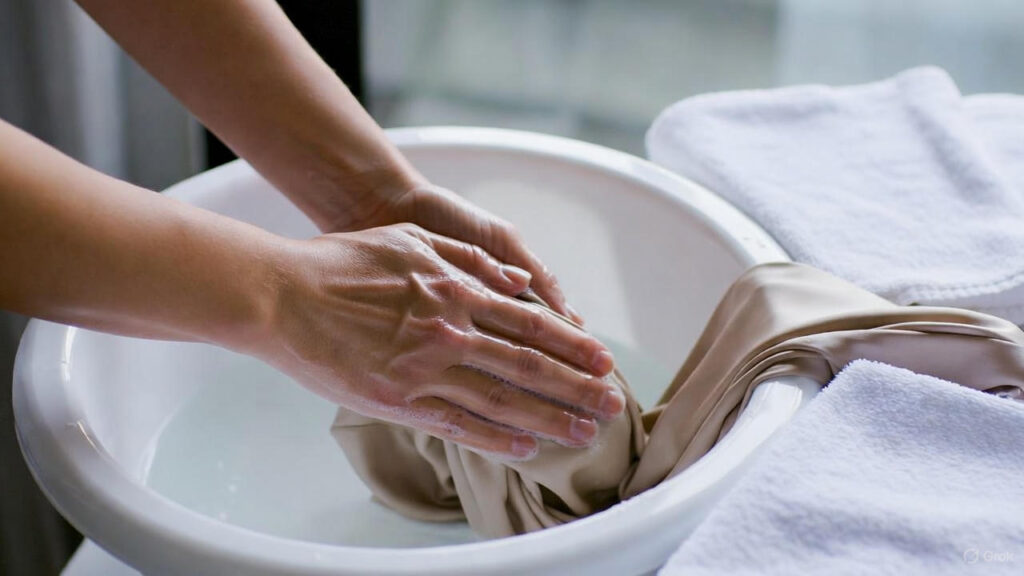
- The quickest way to damage luxury clothes is by washing them too often. Most items don’t need a wash after every wear. Unless they are visibly dirty, pieces like wool trousers and cashmere sweaters do better if you just air them out between wears.
- After wearing, hang them in a well-ventilated area for 24 hours before putting them back in your closet. This lets the fabrics breathe and naturally releases odors,a simple way to care for luxury clothes between professional cleanings.
- When washing is necessary, always check the care label. For silk, hand-wash with lukewarm water and a gentle detergent made for delicate fabrics.
- Fill a basin with water, add detergent, and gently swirl the garment without rubbing or twisting. Never wring luxury fabrics. Instead, press gently between clean towels to remove water and lay flat to dry away from sunlight.
- For machine-washable items, turn them inside out and use the gentlest cycle with cold water. Put delicate items in mesh laundry bags to prevent snags.
- Avoid cramming too many items in one load, as this can cause friction damage. Use detergent sparingly,too much soap leaves residue that attracts dirt and dulls the fabric.
3. Perfect Your Stain Removal Technique
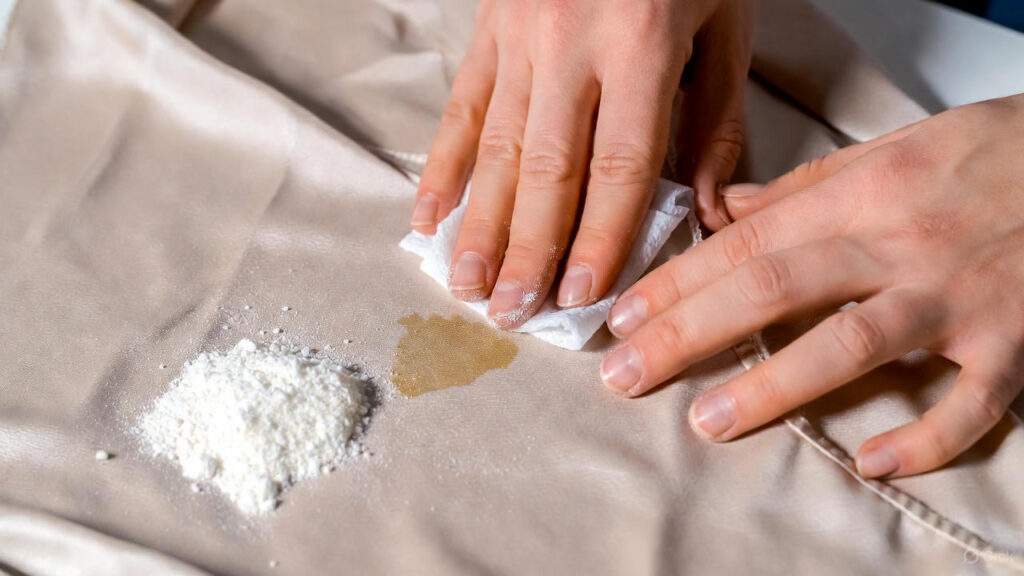
- Time is important when dealing with stains. Act as soon as you notice a spill. Gently blot the area with a clean white cloth,never rub.
- Rubbing pushes the stain deeper and can damage delicate fabrics, so the right technique matters.
- For oil-based stains on silk, sprinkle a little cornstarch or talcum powder to absorb the oil, then brush it off gently after a few minutes.
- Water-based stains can be treated with a mild detergent and cool water applied with a soft cloth. Always test any cleaning solution on a hidden area first.
- Know when to stop. If the stain doesn’t come out or involves tough substances like wine or ink, take it to a professional. Aggressive home attempts can do more harm than good.
- Cleaners like Vanzoo specializes in fine garments has the right solvents to protect your investment.
4. Handle Fabric-Specific Care Requirements
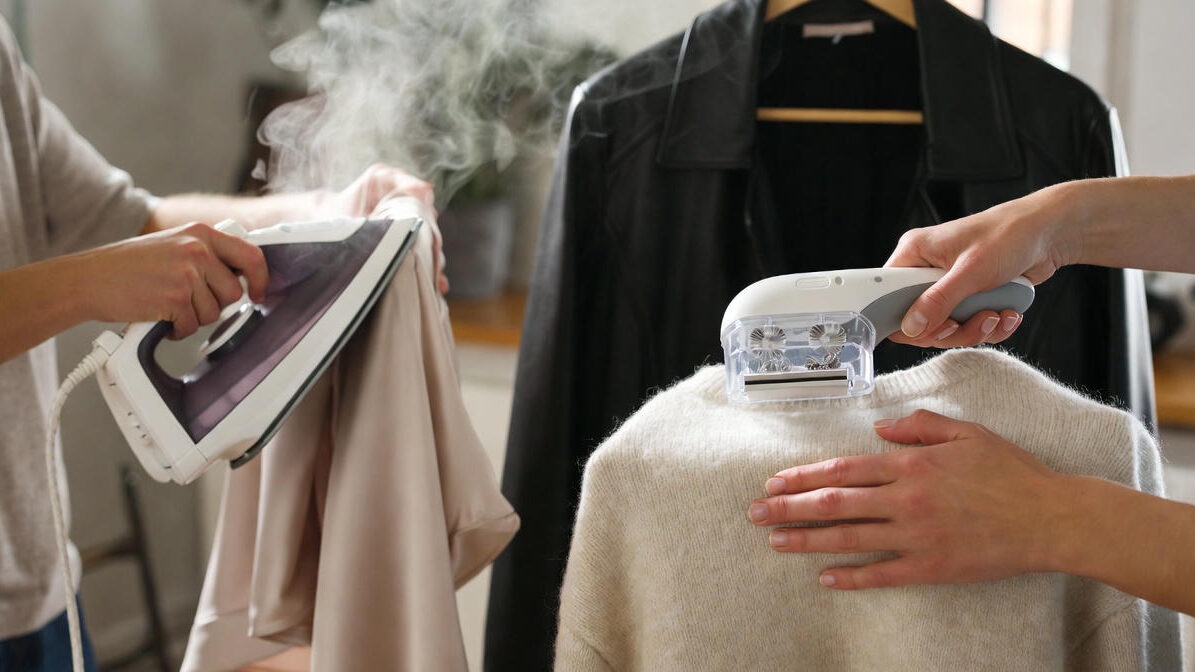
- Each luxury fabric has its own care needs, and knowing them is key to keeping your clothes in good shape. Silk needs gentle handling and should never be wrung.
- When ironing, use low heat on the reverse side with a pressing cloth. Cashmere and wool can be hand-washed but shrink in hot water, and they benefit from occasional de-pilling with a fabric shaver.
- Leather and suede should never be washed with water. Use special leather cleaners and conditioners to keep them soft.
- For suede, a soft brush removes dirt and lifts the nap. Store leather items on padded hangers in breathable garment bags.
- Embellished clothes with beads or embroidery need extra care. Turn them inside out before washing (if allowed) and put them in mesh bags.
- Many heavily decorated pieces are best spot-cleaned or taken to a professional dry cleaner.
5. Implement Daily Maintenance Rituals
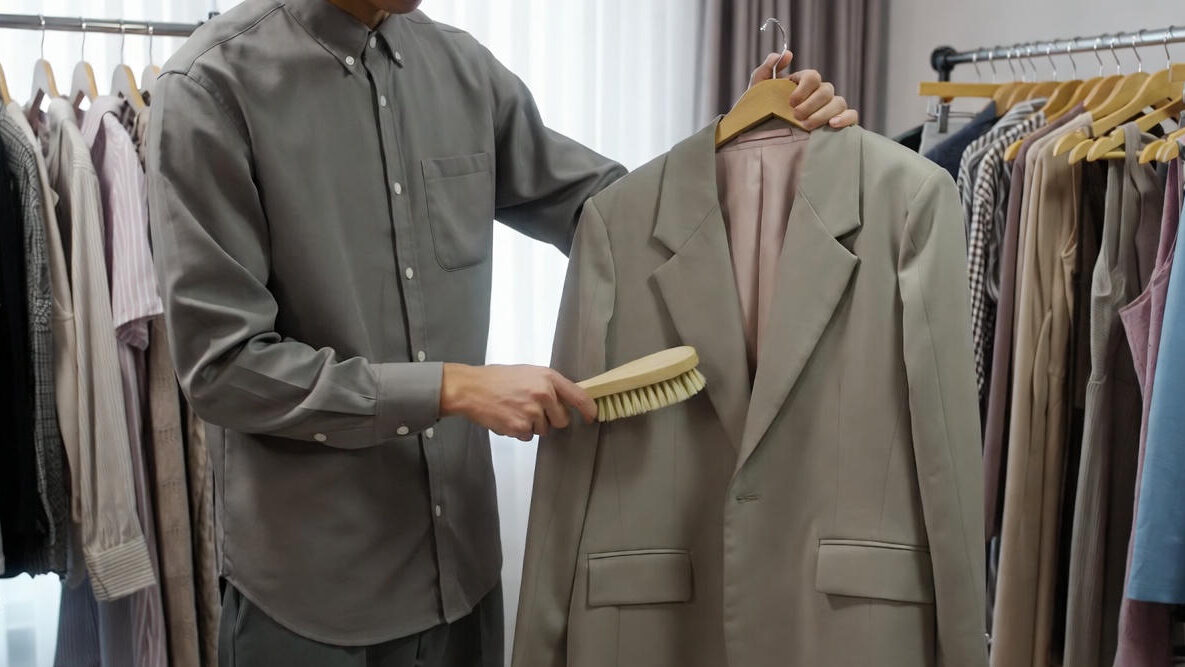
- The best way to keep luxury clothes looking great is through small, regular habits. After each wear, use a natural-bristle clothes brush to remove dust and dirt before it settles.
- Brush in smooth downward strokes,just 30 seconds can prevent the need for heavy cleaning later.
- Take care of minor issues right away. Sew loose buttons before they fall off, and fix pulled threads from the inside instead of cutting them.
- Keep a simple repair kit handy,these quick fixes stop small problems from becoming big ones. Regular attention like this keeps your clothes looking pristine for much longer.
- Rotate your wardrobe instead of wearing the same items repeatedly. This gives fabrics time to rest and recover their shape.
- Empty pockets right after wearing clothes to avoid permanent impressions. Button shirts and zip zippers before hanging to keep their shape, but leave jackets unbuttoned to prevent stress on the buttonholes.
What Common Mistakes Are Damaging Your Luxury Clothes at Home?
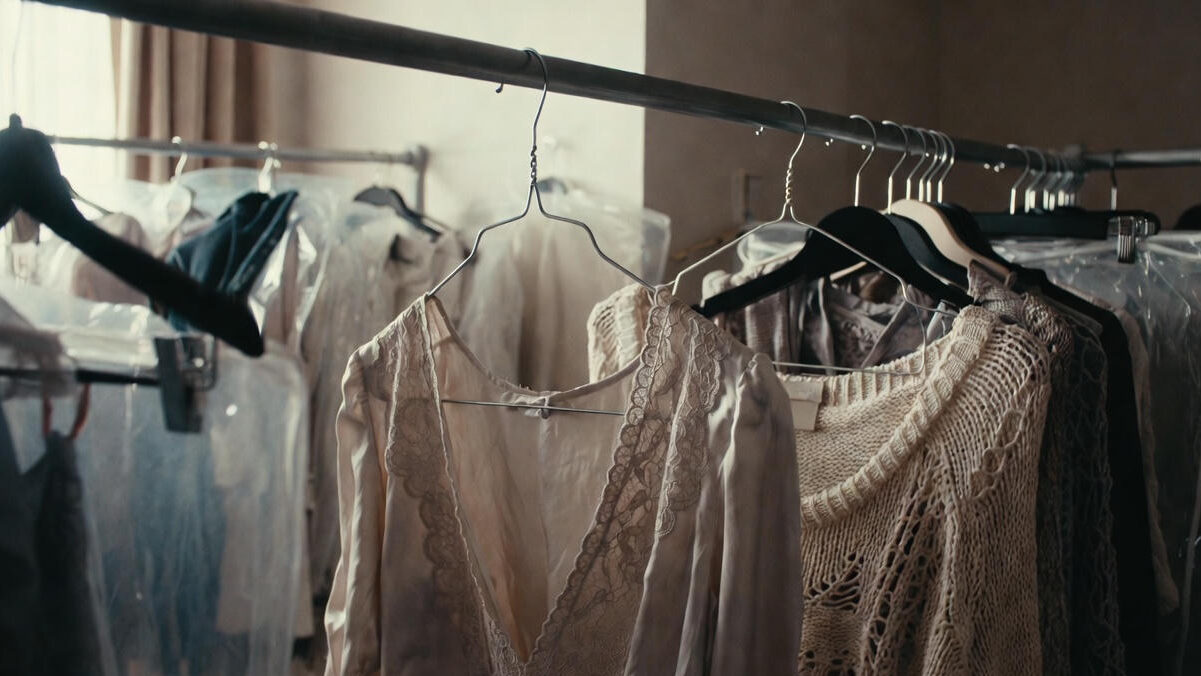
Even with the best intentions, many people accidentally damage luxury clothes through everyday habits. Knowing these common mistakes helps you protect your investment and keep your luxury garments in great condition for years.
- Overwashing tops the list. Frequent exposure to water and detergent can damage delicate fabrics. Each wash can cause tiny tears, fading colors, thinning fabric, and weakened structure. Designer fabrics often have sensitive dyes that don’t handle frequent washing well. The solution is to spot-clean when possible and wash only when necessary.
- Using harsh detergents designed for everyday cotton destroys luxury fabrics. They contain chemicals that strip natural oils, leave residue, and cause discoloration. Instead, use pH-neutral detergents made for delicate fabrics.
- Storing items in plastic bags traps moisture, leading to mildew, yellowing, and musty smells. Fabrics need to breathe. Fabrics need to breathe. Use breathable cotton garment bags instead, they protect your clothes while letting air circulate.
- Hanging heavy knits slowly stretches them into unwearable shapes. Gravity and the weight of fabric can stretch clothes and change their shape. The solution is to fold all knits and store them on shelves or in drawers.
- Ignoring care labels might save time initially but results in shrinkage, color bleeding, or irreversible fabric damage. Manufacturers provide care instructions because they know what each material can handle.
- Delaying stain treatment turns temporary problems permanent. Wine spills or coffee drips start setting into the fabric if you wait. Some stains change over time and become much harder to remove. The best chance to get them out is within minutes or a few hours, not days.
How Vanzoo Ensures the Best Luxury Garment Care
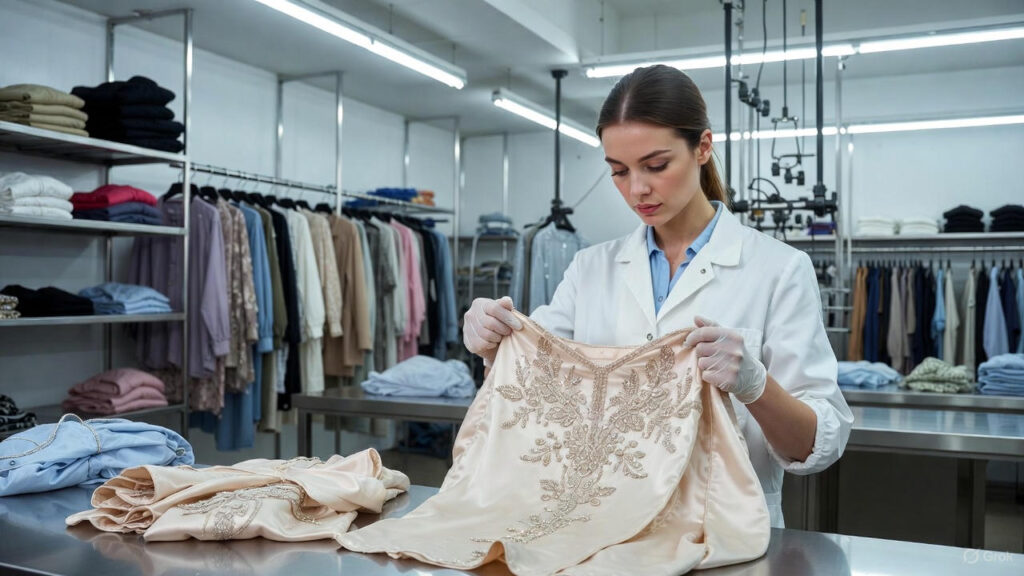
Taking care of clothes at home can extend their life, but sometimes professional help is necessary. Services like Vanzoo can keep garments looking flawless and preserve their original beauty for years. If you want to maintain luxury clothes at the highest level, professional care works hand-in-hand with your home care.
Vanzoo knows the special needs of high-end fabrics and designer construction. They use advanced cleaning technologies and specialized solvents that clean effectively without harsh chemicals. Each garment is assessed individually, with problem areas identified and care adjusted accordingly.
For complicated garments with beading or mixed materials, professional handling is often the safest option. Experts have the right tools and training to clean embellished evening wear, tailored suits with canvas interlining, and leather pieces that need conditioning. They can also remove stubborn stains in ways that aren’t possible at home, all while protecting the fabric.
Vanzoo also offer extra care that complements home maintenance. This includes proper pressing, minor repairs like button replacement, and treatments such as moth-proofing. Some providers even offer climate-controlled storage for seasonal items and convenient pickup and delivery. With expert care, your luxury clothes stay in top condition without adding extra tasks to your schedule.
Key Takeaways for Long-Term Luxury Garment Care
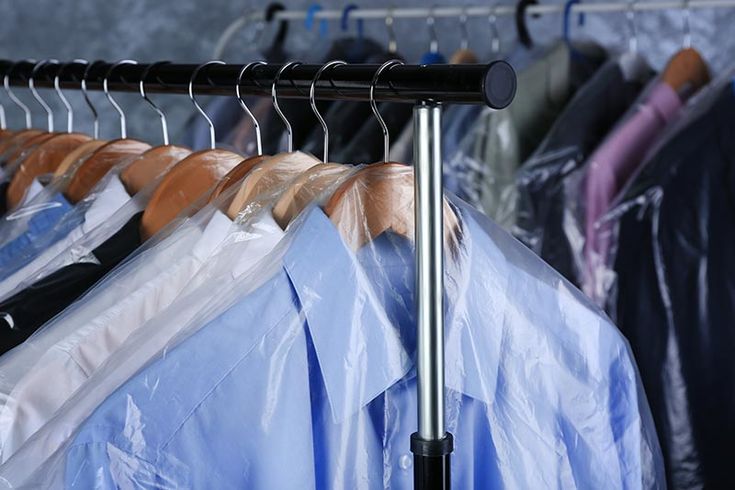
Image source: https://in.pinterest.com/pin/589267932496546502/
Taking care of luxury clothes at home doesn’t have to be complicated. It’s about paying attention and practicing a few mindful habits consistently.
Start with proper storage: use quality hangers for structured pieces, store knits flat, use breathable garment bags, and keep clothes in a suitable environment. Follow smart washing practices,wash less often, use gentle methods, and choose the right detergents,to prevent most damage.
Develop daily habits like treating stains immediately and performing small maintenance tasks. These simple steps stop minor issues from turning into big problems. Learn the specific needs of different fabrics and care for each accordingly.
Know when to get professional help. Home care and professional cleaning work together to keep your wardrobe in top shape. Combining thoughtful home maintenance with occasional professional care ensures your investment pieces stay beautiful for years.
Luxury clothes are more than fabric,they reflect your style and are valuable investments. Giving them the right care preserves their quality and craftsmanship for the long term.