
- Introduction
- Why Do Dry-Cleaned Clothes Cause Skin Rashes?
- Is Dry Cleaning Safe for Expensive Fabrics Like Cashmere?
- Is Green Dry Cleaning Safe for Children?
- Why Should You Switch to Green Dry Cleaning?
- Is Green Dry Cleaning Eco-Friendly?
- What Are Eco-Friendly Dry-Cleaning Solvents?
- Conclusion: Benefits of Using Eco-Friendly Solvents in Dry Cleaning
Introduction
Dry cleaning is something many of us depend on, especially for work clothes, special occasion outfits, and delicate materials. But have you ever considered what actually cleans your clothes?
Knowing the benefits of using eco-friendly solvent in dry cleaning is becoming more important as people are making sustainable choices, which are not only better for the environment but also offer multiple health benefits.
In this blog, we will explain the benefits of using eco-friendly solvent in dry cleaning, so that you can make better choices for your clothes, health, skin and the environment without compromising on quality.
Why Do Dry-Cleaned Clothes Cause Skin Rashes?

Getting a rash or allergic reaction from wearing dry- cleaned clothes are very common. People with sensitive skin are suffering from the same. The issue isn’t that your skin is sensitive to everything, it’s the harsh dry-cleaning solvents. These chemicals are not only causing your skin to break out in a rash but causing multiple health hazards.
Traditional dry cleaning ensures that your clothes clean by getting rid of bacteria and dirt, but in the process it might leave chemical residuals into the fabric, which later reacts with your skin, causing skin irritation and more.
One of the main reasons behind why people are switching to the green dry- cleaning method, from the traditional dry cleaning method, is that they are much safer for sensitive skin.
Other reasons are-
Safer for health – Eco-friendly solvents reduce exposure to harsh chemicals and fumes.
Gentler on clothes – They clean effectively without weakening fabric or fading colours.
Better for the environment – Green solvents break down easily and create less pollution.
No strong chemical odour – Clothes feel fresh, not chemically treated.
Effective cleaning results – Stains are removed without compromising fabric care.
Prevention tips you can follow from the next time:
Air out dry-cleaned clothes before wearing
Let clothes hang in a well-ventilated area for a few hours so leftover chemical fumes can escape.
Choose green or eco-friendly dry cleaning
Opt for cleaners that use non-toxic or eco-friendly solvents, which are much gentler on skin.
Wash or steam sensitive garments once
If the fabric allows, a light rinse or steaming at home can remove surface residue.
Avoid wearing dry-cleaned clothes directly on skin
Wear a cotton inner layer, especially for shirts, blouses, or dresses worn for long hours.
Inform your dry cleaner about sensitive skin
They can adjust cleaning methods or use milder solvents for your clothes.
Avoid tight-fitting clothes after dry cleaning
Tight clothing increases friction and heat, which can worsen skin irritation.
Store clothes properly after cleaning
Keep them in breathable covers instead of plastic bags to prevent chemical buildup.
Rashes after dry cleaning are often caused by chemical residue. But choosing the benefits of using eco-friendly solvent in dry cleaning, along with airing out clothes and avoiding direct skin contact, helps to prevent skin irritation and keeps your clothes last longer.
Is Dry Cleaning Safe for Expensive Fabrics Like Cashmere?- Dry cleaning my expensive cashmere shawl

Source: https://in.pinterest.com/pin/274649277270850031/
Dry cleaning uses harsh chemicals to clean the stains, which may damage premium fibres such as silk , cashmere, pashmina and other woollen fabrics as well.
These delicate fabrics need to be handled gently, which traditional dry- cleaning methods cannot as the strip oils away from the fabric and also leave the chemical fumes on the surface.
This is one reason many people are now learning about the benefits of using eco-friendly solvent in dry cleaning, as eco-friendly solvents are much gentler on luxury fibres like cashmere.
Here’s a list of fabrics with their recommended cleaning methods-
| Types of Fabrics | Recommended cleaning Methods |
| Cashmere | Green Dry- Cleaning |
| Wool | Green Dry- Cleaning |
| Silk | Green Dry- Cleaning |
| Denim | Home Wash ( Inside- out) |
Why does it matter?
Fabric Sensitivity Matters- Delicate fabrics like silk, cashmere, wool, and velvet get weaker in water. Green dry cleaning uses gentle solvents to clean without soaking the fabric.
This method helps keep the fabric soft, maintain its shape, and preserve its strength.
Water Can Damage Natural Fibres-Many luxury fabrics do not react well to water. Wool and cashmere can shrink, silk can lose its shine, and rayon can become distorted. Green dry cleaning avoids water, which makes it better for these materials.
Everyday Fabrics Handle Home Washing Better-Fabrics like cotton, linen, denim, and polyester are strong and can handle water and mild detergents. Gentle washing at home is enough to get rid of dirt without harming these fabrics.
Shape and Structure Need Protection-Structured garments and textured fabrics, such as suede or velvet, can lose their shape when washed at home. Green dry cleaning cleans without agitation, which helps garments maintain their original look and fit.
Long-Term Goal = Long- Term Fabric Life-The right cleaning method reduces fiber breakage, color fading, and wear over time. Using green dry cleaning for delicate fabrics and home washing for sturdy ones helps clothes last longer and stay comfortable.
Choosing what’s best for your premium fabrics is easier after getting to know the benefits of using eco- friendly solvents in dry- cleaning methods, because taking care of your clothes will save you more money in the long run.
Is Green Dry Cleaning Safe for Children?

Traditional dry cleaning methods use PERC (Perchloroethylene), a chemical solvent that is used for removing grease, oil, and stains without using water. It gets trapped in fabric fibres and releases strong chemical fumes as well.
If you inhale the toxic fumes, it may trigger respiratory issues especially in toddlers and senior citizens.
Fitted or tight clothes are likely to be exposed to these chemicals and synthetic fibres hold chemicals longer than then other fabrics.
How Does PERC affect us-
Irritates the lungs – PERC fumes can make breathing feel heavy or uncomfortable.
Triggers headaches and dizziness – Inhaling PERC vapours affects the nervous system.
Causes skin irritation – Residue on clothes can lead to rashes, itching, or redness.
Aggravates asthma and allergies – People with sensitive airways react faster to PERC.
Leads to nausea – Strong chemical fumes can upset the stomach.
Disrupts sleep and focus – Low-level exposure may cause fatigue or confusion.
How Common Is This Problem?
It is quite common among kids and people suffering from asthma. People often mistake their symptoms for cold and anxiety, and most of the cases go unreported due to lack of awareness.
How to stop this from recurring?
- Always air out dry-cleaned clothes for 6–8 hours
- Remove plastic covers immediately
- Avoid wearing freshly cleaned clothes directly
- Choose loose-fitting garments
- Wash inner layers if fabric allows
- Avoid frequent dry cleaning
- Switch to green dry cleaning options
Why Should You Switch to Green Dry Cleaning?
Switching to Green dry cleaning is about making sustainable choices that would not only benefit your health but also the planet.
Other main reasons are-
- Eco-solvents are non-toxic and low-odour
- Safer for children and sensitive lungs
- Do not release harmful VOCs
- Clothes feel fresher and breathable
- Improves indoor air quality at home
- Supports long-term health and comfort
PERC may clean clothes effectively, but it comes with hidden health concerns, especially for children and sensitive individuals. Understanding how PERC works explains why people experience breathing issues or rashes after dry cleaning.
Choosing alternatives and focusing on the benefits of using eco-friendly solvent in dry cleaning is a safer, smarter move for your health, your family, and the air you breathe every day.
Is green dry- cleaning eco- friendly ?
Green dry- cleaning is a much safer option than traditional dry- cleaning methods, it not only protects your expensive clothes from getting damaged but also safer for dry- cleaning workers.
Here’s a table to understand how is green- drycleaning is different from other conventional cleaning methods-
| Green Dry- Cleaning | Traditional Dry- Cleaning | Laundering( Home- Washing) |
| Gentle on fibres, preserves softness and strength | Can weaken fibres over time due to harsh chemicals | Can cause shrinkage, stretching, or roughness |
| Maintains original colour and shine | Colours may dull with repeated cleaning | Colours may fade or bleed |
| Keeps fabric smooth and natural | Can leave fabric stiff or dry | Fabric may lose finish and feel rough |
| Ideal for silk, wool, cashmere, velvet | Risky for delicate and luxury fabrics | Often damages delicate fabrics |
| Minimal to no residue | High chance of chemical residue | Detergent residue possible |
What are eco- friendly solvents?
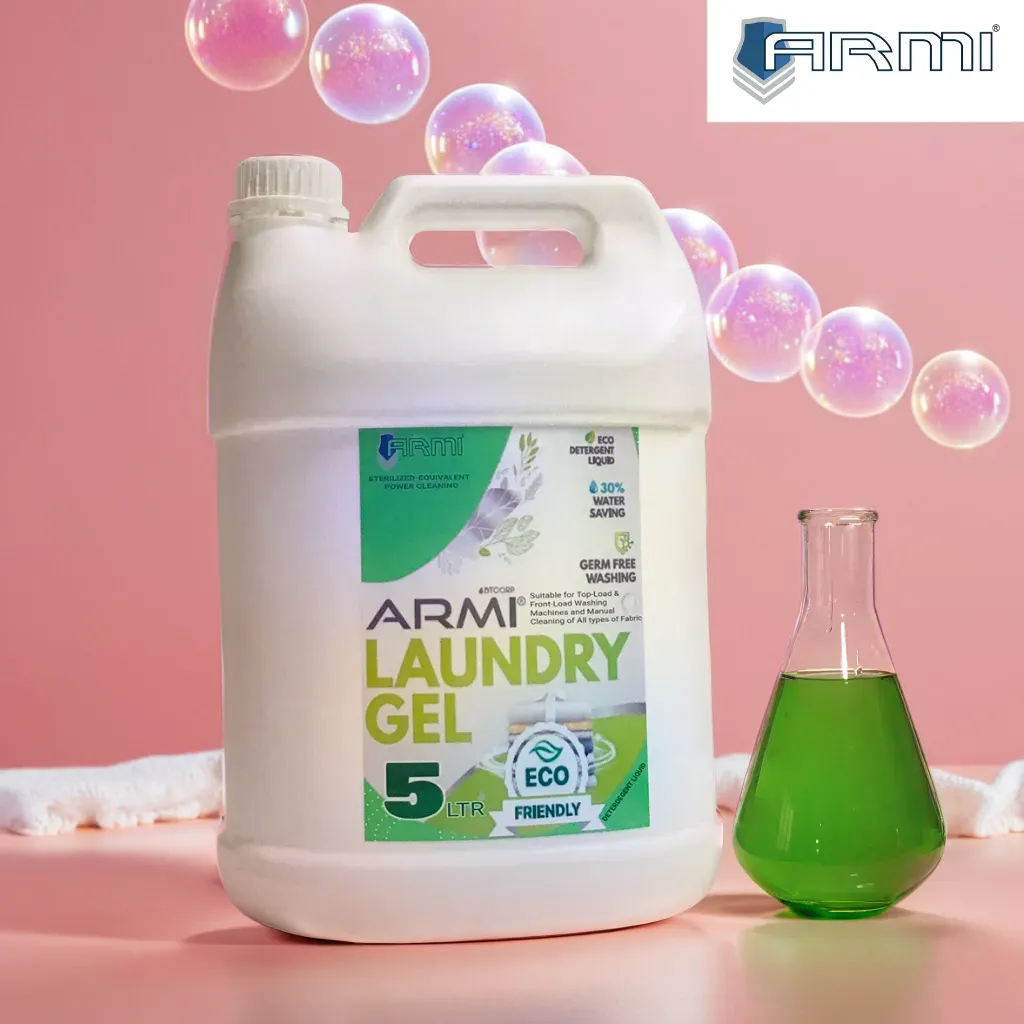
Source: https://share.google/gwDBvSK093KxoUBHK
Green solvents are eco-friendly cleaning liquids used in dry cleaning that replace harsh chemicals like PERC. They are low-toxicity, biodegradable, and safer for fabrics, skin, and the environment.
Green solvents clean clothes effectively without leaving strong chemical residue or fumes, making them ideal for delicate garments, sensitive skin, and sustainable dry-cleaning practices.
How Eco- friendly solvents affect dry- cleaning workers?
One of the key benefits of using eco-friendly solvent in dry cleaning is how much safer it is for them. Unlike traditional PERC solvents, eco-friendly solvents release very low fumes, which means workers are not constantly breathing in harsh chemicals.
This reduces common problems like headaches, dizziness, breathing discomfort, and long-term health risks that come from daily chemical exposure.
The benefits of using eco-friendly solvent in dry cleaning also include better workplace safety and air quality. These solvents are easier to manage, safer to store, and break down more naturally, reducing the risk of chemical accidents.
Conclusion – Benefits of using eco- friendly solvent in dry cleaning
The benefits of using eco-friendly solvent in dry cleaning go beyond clothes, they protect people too. From safer working conditions to better fabric care and improved air quality, green solvents make a real difference. Choosing a premium brand like VANZOO, which uses eco-friendly dry-cleaning methods, means you get cleaner clothes without the health risks or harsh chemicals. It is a smarter, safer way to care for your wardrobe.