
- Introduction
- Why Dry Cleaning Feels So Hard to Manage With a Busy Lifestyle
- Common Dry Cleaning Mistakes Busy People Make Without Realizing
- How to Build a Simple Weekly Dry Cleaning Routine That Actually Works
- When to Choose Dry Cleaning Instead of Home Washing
- Time Saving Tips to Sort and Prepare Clothes for Dry Cleaning Faster
- How On Demand Dry Cleaning Services Help Busy Professionals
- How to manage workwear, formalwear, and daily Clothes
- How Often Should You Dry Clean Clothes?
- Storage Tips to Reduce Frequent Dry Cleaning Needs
- FAQs
- Conclusion
Introduction
With a few smart habits and the right support, you can easily manage dry cleaning chores when you have a busy schedule without changing your routine. This guide shares practical tips to help you stay organized, save time, and keep your clothes fresh even on the busiest days.
When life gets busy,we often ignore piles of clothes. Between work, family, and daily responsibilities, it can feel difficult to manage dry cleaning chores when you have a busy schedule. Piles of clothes keep growing, pickups get missed, and caring for delicate fabrics becomes stressful.
To understand how to manage dry cleaning better, it helps to first know why it feels so difficult in a busy lifestyle.
Why Dry Cleaning Feels So Hard to Manage With a Busy Lifestyle

When your days are packed from morning to night, dry cleaning often slips from mind. For many people trying to manage dry cleaning chores when you have a busy schedule, the biggest challenge is time. Missed pickups, rushed mornings, and overflowing wardrobes make dry cleaning feel more stressful than it should be.
It is not that managing clothes is difficult, it just does not fit easily into a busy routine. That is why learning smarter ways to manage dry cleaning chores when you have a busy schedule can make everyday life feel a lot more organized and less overwhelming.
Once we understand the challenge, it becomes easier to spot the common mistakes that make dry cleaning even harder.
Common Dry Cleaning Mistakes Busy People Make Without Realizing
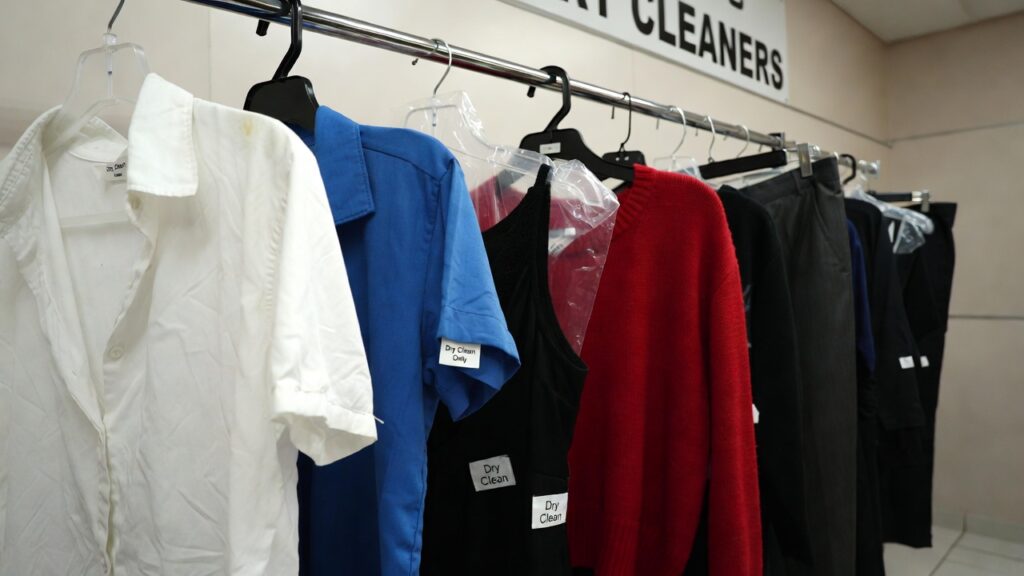
For corporate professionals, long work hours and packed schedules leave very little time for household chores. Washing clothes at home is not just about putting them in the machine. It takes time to wash, dry, and iron, which is why many working professionals prefer dry cleaning.
It helps them manage dry cleaning chores when you have a busy schedule and keeps workwear ready without extra effort.
However, before sending clothes for dry cleaning, many busy people unknowingly make small mistakes. These mistakes often lead to forgotten clothes, last minute rushes, or even damaged fabrics.
Common Dry Cleaning Mistakes
- Forgetting clothes at the dry cleaner for too long
- Sending all fabrics without checking care labels
- Waiting until the last minute to send office wear
- Mixing heavily stained clothes with regular dry cleaning items
Small mistakes can easily turn dry cleaning into an added stress.
How to Prevent These Mistakes
- Set a fixed dry cleaning day each week to stay consistent
- Always check fabric care labels before sending clothes
- Separate delicate or heavily stained garments
- Keep track of drop off and pickup dates
With a little planning, dry cleaning can save time instead of creating stress. When done right, it helps professionals manage dry cleaning chores when you have a busy schedule while keeping clothes fresh, well cared for, and ready to wear.
Avoiding mistakes is the first step, but building a simple routine is what truly saves time.
How to Build a Simple Weekly Dry Cleaning Routine That Actually Works

Building a weekly dry cleaning routine may sound unnecessary, but it actually works. A simple routine helps you stay organized, avoid last minute stress, and manage dry cleaning chores when you have a busy schedule without feeling overwhelmed. Once it becomes a habit, managing your laundry schedule feels much easier and more predictable.
Tips to build a weekly dry- cleaning routine
Set One Fixed Day for Dry Cleaning
Choose a specific day each week to sort and send clothes for dry cleaning. This keeps your dry cleaning routine consistent and prevents clothes from piling up.
Sort Clothes Throughout the Week
Instead of sorting everything at once, separate dry clean only clothes as you wear them. This saves time and helps you manage laundry schedules more efficiently.
Keep a Dedicated Dry Cleaning Bag
Having a separate bag for dry cleaning makes it easy to grab and go. It also reduces the chances of forgetting clothes during busy mornings.
Plan Pickups Around Your Routine
Schedule pickups or drop offs based on your work hours or free time. This keeps your routine realistic and easy to follow.
Review Your Wardrobe Weekly
Take a quick look at what you will need for the coming week. This helps you decide what needs cleaning and avoids last minute rushes.
With a simple weekly system in place, it becomes easier to manage dry cleaning chores when you have a busy schedule. A clear routine saves time, reduces stress, and keeps your clothes ready without disrupting your day.
With a routine in place, the next step is knowing when dry cleaning is actually needed.
When to Choose Dry Cleaning Instead of Home Washing
https://share.google/ajPQAZqtk0ZDIxvTO
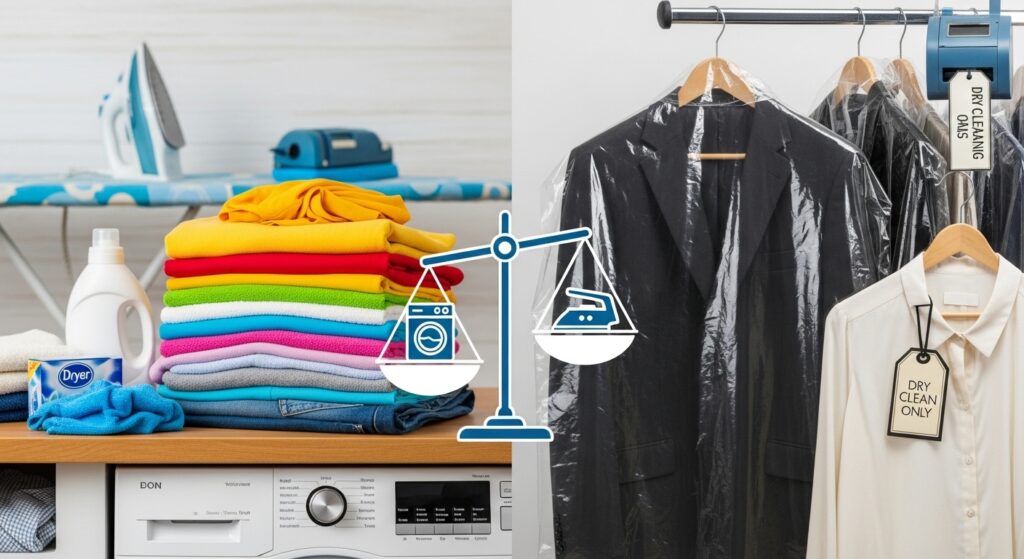
Home washing works well for everyday clothes and regular laundry. However, it is not designed to handle delicate fabrics or expensive garments. Washing at home often involves friction, water, and heat, which can damage fabric texture, fade colours, or change the fit.
For busy people trying to manage dry cleaning chores when you have a busy schedule, knowing when to switch from home washing to dry cleaning makes fabric care much easier.
Dry cleaning works best for delicate and high value clothing because it uses gentle methods that protect fabric quality. It also reduces water usage, making it a safer and more sustainable choice for the planet. For professionals and families with limited time, it is a reliable way to care for clothes without the risk of damage.
When to Choose Machine Washing
- Cotton and polyester daily wear
- Light stains from sweat, dust, or food spills
- Durable fabrics like denim or home wear
- Clothes labeled as machine washable
Machine washing works well for regular use clothing that does not require special fabric care. Not all clothes are meant to go through the same cleaning process.
When to Choose Dry Cleaning Instead of Home Washing
- Delicate fabrics like silk, wool, velvet, or chiffon
- Expensive outfits such as formal wear, suits, and designer clothing
- Clothes with heavy embroidery, embellishments, or structure
- Oil based, grease, or set in stains
- Garments that need shape retention and colour protection
Dry cleaning is the safer option when fabric care matters more than speed.Choosing the right cleaning method helps extend the life of your clothes and reduces unnecessary damage.
For those looking for reliable fabric care, services like VANZOO make it easier to manage delicate garments while balancing a busy lifestyle. With the right choice, it becomes simpler to manage dry cleaning chores when you have a busy schedule and keep your wardrobe looking its best.
Once you know what needs dry cleaning, preparing your clothes the right way makes the process much faster.
Time Saving Tips to Sort and Prepare Clothes for Dry Cleaning Faster
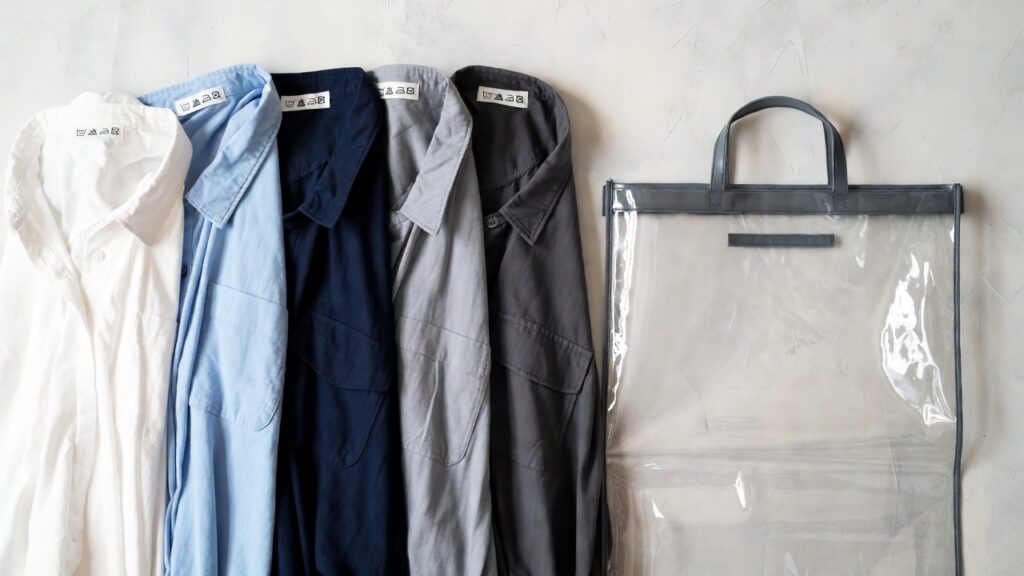
For working professionals and students living away from family, managing clothes can feel like a daily challenge. When time is limited, sorting and preparing clothes properly can make dry cleaning much easier.
Once you build this habit, it becomes simple to manage dry cleaning chores when you have a busy schedule and save time every week.
If you are new to this struggle, do not worry. A few small changes can help you save time with dry cleaning and avoid last minute stress. Here are some quick laundry tips to help you get started.
Tips to Sort and Prepare Clothes for Dry Cleaning
Check care labels early
Separate dry clean only clothes as soon as you wear them to avoid sorting later.
Keep a separate dry cleaning bag
Having one dedicated bag saves time and prevents mixing clothes with regular laundry.
Remove items from pockets
Empty pockets before sending clothes to avoid delays or damage.
Group similar clothes together
Sort workwear, formalwear, and delicate items to speed up the process.
Send clothes before stains settle
Fresh stains are easier to treat and require less effort during dry cleaning.
With these simple habits, it becomes easier to manage dry cleaning chores when you have a busy schedule. A little preparation goes a long way in keeping clothes fresh, organized, and ready to wear without stress.
Even with good habits, busy schedules often need extra support to stay consistent.
How On Demand Dry Cleaning Services Help Busy Professionals

For busy professionals, managing clothes often feels like one more task added to an already packed day. This is where on demand dry cleaning makes a real difference. Premium dry cleaning services are designed around convenience, offering pickup and drop services so customers do not have to step out or adjust their schedules.
This makes it much easier to manage dry cleaning chores when you have a busy schedule.Beyond pickups and deliveries, a convenient dry cleaning service helps by saving time on sorting, reducing last minute stress before meetings or events, and ensuring clothes are cleaned, pressed, and ready to wear.
Many services also offer flexible scheduling, garment care expertise, and safe cleaning methods for delicate or expensive clothing, which busy professionals often rely on.
Along with services, managing different types of clothes the right way also reduces daily stress.
How To Manage Workwear, Formalwear And Daily Clothes

Most people treat all clothes the same, but workwear, formalwear, and daily clothes are made from different fabrics and need different care. Office wear often uses blended or structured fabrics, formal clothes are delicate and expensive, while daily clothes are designed for frequent washing.
When you understand these differences, it becomes much easier to manage dry cleaning chores when you have a busy schedule and avoid damage to your clothes.
Knowing the right cleaning method for each category saves time, money, and stress, especially for working professionals and students.
Workwear
- Separate office wear at the end of each day to avoid last minute sorting
- Use office wear dry cleaning for blazers, trousers, and structured dresses
- Rotate outfits to reduce frequent cleaning and fabric wear
Formalwear
- Store formal clothes in breathable covers after use
- Choose professional services for proper formal clothes care
- Spot clean immediately if there are stains, but avoid home washing
Daily Clothes
- Wash daily wear in machines as per fabric instructions
- Sort by colour and fabric to prevent damage
- Keep daily clothes separate from dry clean only items
What You Should Avoid
- Mixing workwear, formalwear, and daily clothes in one laundry load
- Ignoring care labels on expensive or delicate fabrics
- Over washing office or formal clothes
- Using harsh detergents on delicate garments
Managing clothes becomes much simpler when each category has its own routine. With the right habits, you can protect fabric quality, save time, and easily manage dry cleaning chores when you have a busy schedule while keeping your wardrobe ready for every occasion.
Another common question for busy people is how often clothes actually need dry cleaning.
How Often Should You Dry Clean Clothes? – Vanzoo Explains
https://share.google/7bLuvdjwpmwFja6sP
In today’s fast paced world, finding time for laundry feels almost impossible. After a 9 to 5 job, most people barely have time to rest, let alone wash, dry, and iron clothes. That is why dry cleaning has become a real time saver.
It is efficient, gentle on fabrics, and more environmentally friendly when compared to frequent home washing. For anyone trying to manage dry cleaning chores when you have a busy schedule, dry cleaning helps keep clothes fresh without adding extra stress.
The right dry cleaning frequency depends on the fabric, how often the garment is worn, and how delicate it is. Different fabrics need different cleaning cycles to maintain their look, feel, and lifespan.
Silk
Dry clean after every 2 to 3 wears.
Silk absorbs oils and sweat quickly and can lose shine if home washed.
Wool
Dry clean after 4 to 5 wears.
Wool holds odour but does not need frequent cleaning if aired properly.
Velvet
Dry clean after every wear.
Velvet is delicate and easily damaged by water and friction.
Blazers and Suits
Dry clean after 3 to 4 wears.
Structured garments need professional care to retain shape and fit.
Embroidered or Designer Wear
Dry clean after every wear.
Heavy embellishments and delicate stitching require expert handling.
Following the right cleaning schedule protects your clothes and saves time in the long run. For those balancing work and life, busy lifestyle laundry tips like choosing trusted services such as VANZOO make dry cleaning effortless, reliable, and perfectly suited to modern routines.
Cleaning frequency matters, but proper storage plays an equally important role in keeping clothes fresh.
Storage Tips to Reduce Frequent Dry Cleaning Needs
Storing clothes the right way is just as important as cleaning them. Proper storage helps extend the life of your clothes, keeps them fresh, and prevents dust, odour, and fabric damage.
When clothes are stored correctly, they stay cleaner for longer, which helps reduce dry cleaning needs and saves both time and effort. For people trying to manage dry cleaning chores when you have a busy schedule, good storage habits make a noticeable difference.
How to Store Your Clothes
- Store clean clothes only to avoid trapped odour and stains
- Use breathable garment covers for formal and delicate clothes
- Fold knitwear and heavy fabrics to prevent stretching
- Hang workwear and structured outfits properly to retain shape
- Keep wardrobes dry and well ventilated to prevent moisture buildup
These simple clothing storage tips help protect fabric quality and reduce the need for frequent cleaning.
What You Should Avoid While Storing Your Clothes
- Storing dirty or damp clothes in cupboards
- Using plastic covers that trap moisture
- Overcrowding wardrobes, which causes wrinkles and fabric damage
- Mixing delicate clothes with heavy or rough fabrics
With the right storage habits, clothes stay fresh, neat, and ready to wear for longer. This not only protects your wardrobe but also helps you reduce dry cleaning frequency and manage laundry better in a busy lifestyle.
FAQ’s
1. Why do my clothes fade or shrink after washing even when I follow instructions?
This usually happens when delicate or dry clean only fabrics are machine washed. Choosing dry cleaning helps protect fabric and makes it easier to manage dry cleaning chores when you have a busy schedule.
2. Why do my clothes smell bad even after drying properly?
Improper drying or drying in humid spaces traps moisture and odour. This leads to more frequent cleaning instead of helping reduce dry cleaning needs.
3. Why do my clothes get shiny marks or burns after ironing?
High heat on delicate fabrics causes shine and damage. Professional pressing prevents this and saves time when you manage dry cleaning chores when you have a busy schedule.
4. Why do stored clothes smell musty even when they are clean?
Storing clothes in damp or overcrowded spaces traps moisture and dust. Following proper clothing storage tips keeps clothes fresh and reduces repeat dry cleaning.
Conclusion– Manage Dry Cleaning Chores When You Have a Busy Schedule
Managing clothes does not have to feel stressful, even on the busiest days. With the right habits, simple routines, and smart choices, it becomes much easier to manage dry cleaning chores when you have a busy schedule and keep your wardrobe in order. Small steps like proper sorting, timely cleaning, and correct storage can save time and protect your clothes.
When life gets hectic and you need reliable support, premium services like VANZOO make dry cleaning convenient, safe, and hassle free. With the right approach and trusted care, managing dry cleaning becomes simple, efficient, and stress free.